Rodent & pest control · Lakewood, WA
Lakewood rodent control from lakeshore to rooftop
Lakes, creeks and oak woods keep rats, mice and squirrels close to Lakewood homes. We trap, seal every opening and clean up after.
- Check foundations near creeks and lakefront bulkheads
- Seal low rambler eaves within easy reach of rodents
- Trim access from oak and fir branches over the roof

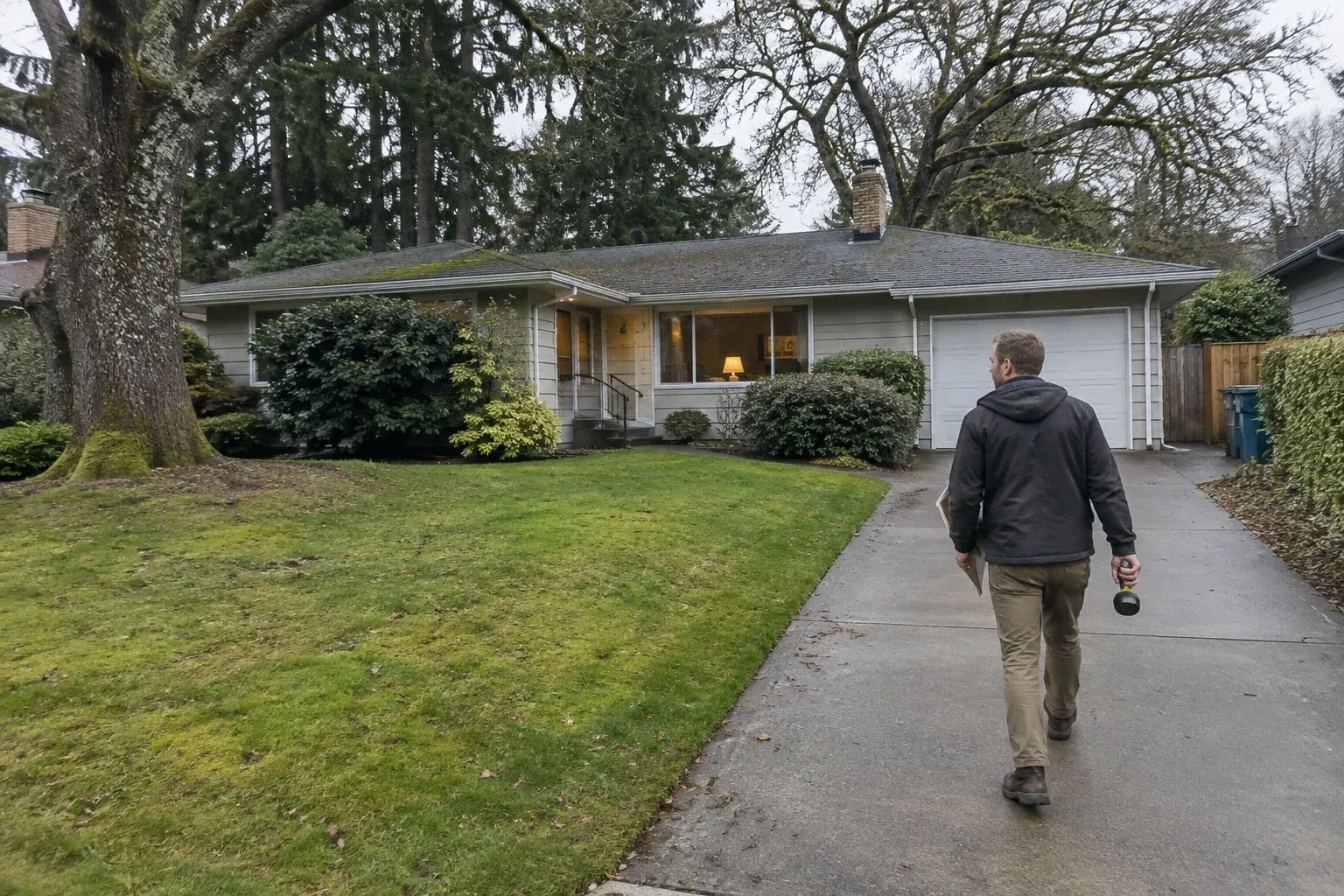 Rodent & pest control for Lakewood homes
Lakewood homes
Rodent & pest control built around Lakewood houses
Rodent pressure in Lakewood follows the water and the trees. Norway rats burrow along Clover Creek, the lakefront bulkheads and drainage ditches, then move into crawl spaces through damaged vents and gaps around pipes. Roof rats and squirrels travel the oak and fir canopies, feed on acorns and drop onto roofs, where they find gaps at the eaves and roof vents. Homes near Fort Steilacoom Park and the lakes see raccoons as well. Rentals that sit empty between tenants can become nesting sites quickly, which is why a turnover inspection is worth doing. Knowing which animal is involved tells us where to look first.
Our approach is trapping and exclusion, done together. Traps are placed along the runways we find and rechecked on a set schedule. At the same time, we go over the house from foundation to roofline and seal every opening we find with hardware cloth, metal flashing and sealant. You are told exactly what goes where, before any of it goes in. Low rambler rooflines make eave gaps easy to reach for rodents, so we pay close attention there. When activity stops, droppings and nests are cleaned up, wet and bagged, and soiled insulation is replaced. Droppings can carry hantavirus, so they are never swept dry.
- Check foundations near creeks and lakefront bulkheads
- Seal low rambler eaves within easy reach of rodents
- Trim access from oak and fir branches over the roof
- Inspect vacant rentals at turnover for new nests
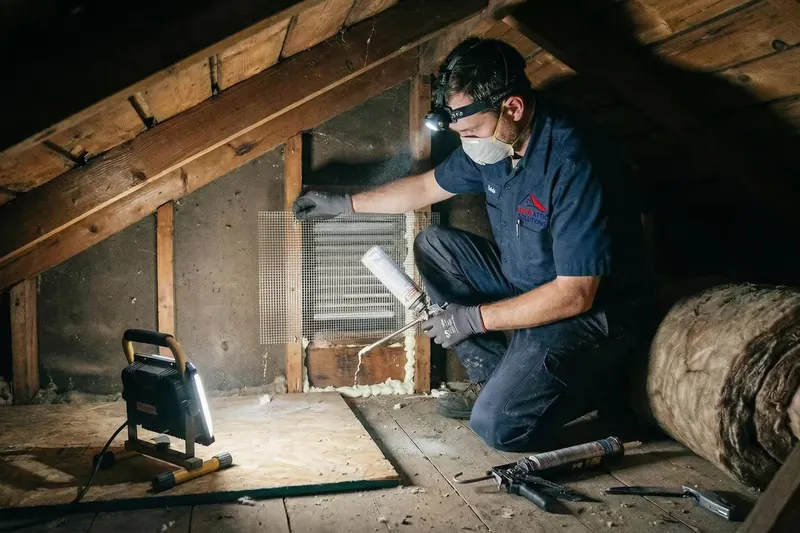
Local conditions
What Lakewood throws at attics and crawl spaces
The houses
Lakewood's housing follows its history. Around American Lake, Gravelly Lake and Lake Steilacoom are older lakefront estates and cottages, some dating to the early 1900s, with plenty of later remodels. Growth around the military bases after World War II filled Lake City, Tillicum and Custer with 1950s and 1960s ramblers, most on low crawl spaces with shallow, low-slope attics. Oakbrook added 1970s split-levels and two-stories around the golf course. Lakewood also has a large share of rentals and duplexes, many of them on their original insulation, ducts and heating.
The weather
Lakewood sits on the glacial outwash prairie south of Tacoma, where gravelly soil drains faster than in much of the region. The lakes, Clover Creek and Chambers Creek still keep low lots and lakefront homes damp through the October to May rainy season. Garry oaks and Douglas firs shade many yards, and fallen leaves and needles clog gutters every fall.
The wildlife
The lakes, Clover Creek and the woods of Fort Steilacoom Park give rodents water and cover close to homes. Norway rats burrow along creek banks and lakefront bulkheads. Roof rats and squirrels use oak and fir canopies to reach rooflines, and acorns are a reliable food source. Raccoons are common around the lakes, and vacant rentals between tenants can quietly attract nesting rodents.
Typical results
What rodent & pest control looks like

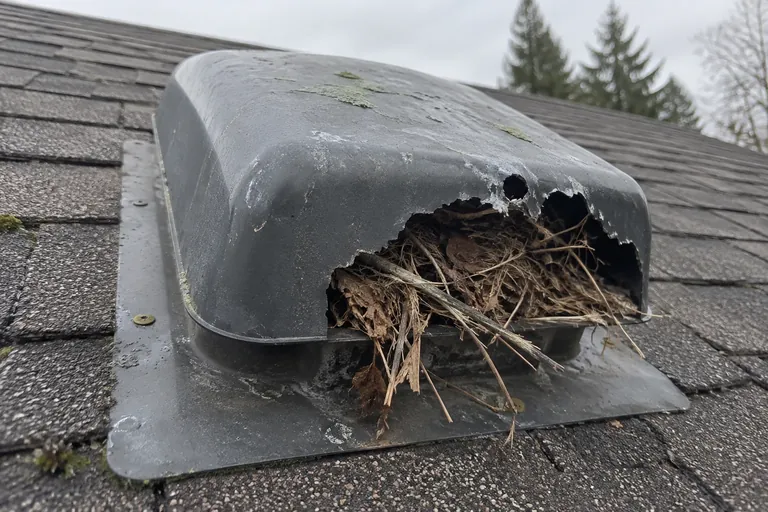 BeforeAfter
How it works
Same crew, same standard, in Lakewood
- 01
Identify the animal and entry
- 02
Make sure it's out
- 03
Remove nests and debris
- 04
Repair and seal openings
- 05
Clean and restore
How we handle attic and crawl space pest control, step by step →
FAQ
Rodent & pest control in Lakewood: FAQ
Still unsure? Call (800) 674-4933 and talk it through with us.
Why do squirrels keep getting into my Lakewood attic?
Lakewood's oak and fir trees give squirrels both food and a path to the roof. Once they find a soft spot at the eaves or a loose roof vent, they chew in to nest. We make sure the animals are out, then seal the opening with metal materials they cannot chew through, and clean up any nesting debris.
Can you handle rodent control for multiple rental units?
Yes. We work with Lakewood landlords and property managers on single-family rentals, duplexes and small apartment buildings. Each unit is inspected, entry points are sealed, and cleanup is done where needed. Photos are provided for each property so you have a record of the work.
More in Lakewood
Other services here
Other cities
Rodent & pest control nearby
Free rodent & pest control inspection in Lakewood.
Book a free inspection. We'll photograph your attic and crawl space and walk you through what we find, before you decide anything.