
Fireplace & outdoor living
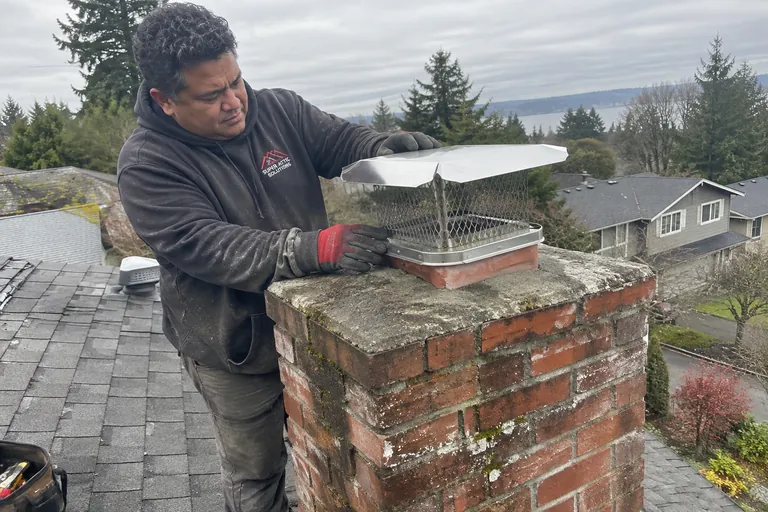
Chimney services
Chimney inspection, cleaning and repair, plus sealing the attic-side gaps that leak heat and let rodents in.
Learn more →Fireplace installation & maintenance · Seattle area
We install gas, wood and electric fireplaces and inserts, service the ones you have, and fix the drafty chase or leaky damper that makes so many fireplaces lose more heat than they give.
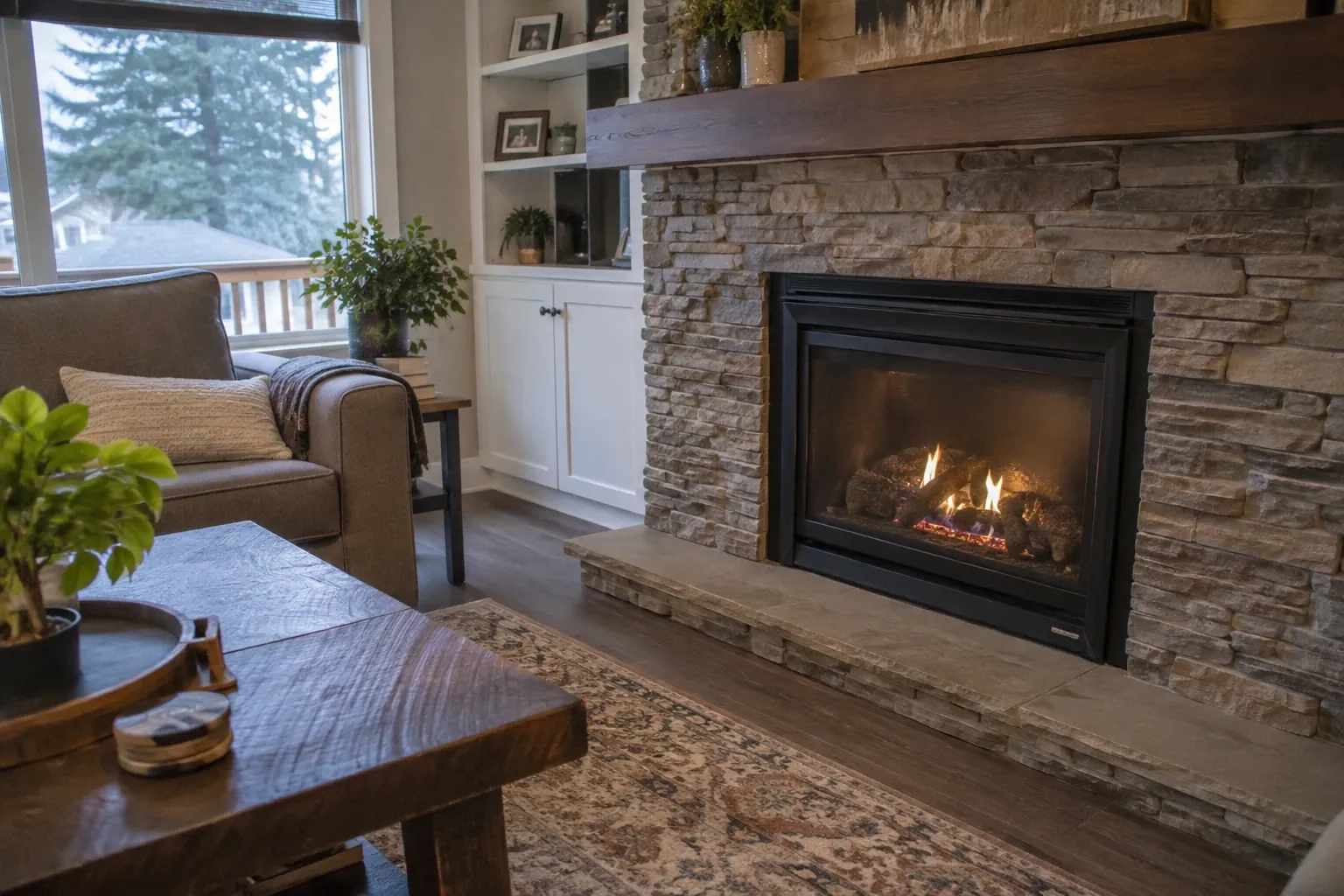 Modern gas fireplace insert · Seattle, WA
The problem
An open masonry fireplace pulls warm room air up the chimney while it burns, and a damper that doesn't close tight keeps leaking it all winter. In many 1980s and 1990s homes, the gas fireplace sits in a framed bump-out on the outside wall. Those bump-outs are often barely insulated, with an open floor underneath, so the wall around the fireplace is cold and drafty even when the fire is on.
A good installation fixes both problems. A sealed gas or wood insert in an old fireplace burns efficiently and keeps room air out of the chimney. A direct-vent gas unit draws its combustion air from outside. And because insulation and air sealing are our core work, we insulate and seal the chase around the unit so the heat stays in the room.
Warning signs
If your fireplace does any of these, call us before the next cold snap.
An open fireplace pulls warm air up the flue. An insert or a sealed unit stops that heat loss.
Drafts at the hearth, mantel or switch plate point to an uninsulated, unsealed chase behind the wall.
A dirty pilot assembly, worn thermocouple or bad igniter often keeps a gas unit from starting.
White film or black soot on a gas fireplace usually means the burner needs adjusting and the unit needs cleaning.
How we do it
The same steps apply to a new unit or a tune-up, with more work for a new install.
We check the existing fireplace, flue or vent, gas line and clearances, and look at the chase from the attic or crawl space where we can reach it. If you're adding a fireplace, we look at where it can go and how it would vent. We'll explain the options, and we handle any permits the work needs.
We go over gas, wood-burning and electric options, inserts for existing masonry fireplaces, and how each one vents and heats. You pick the unit that suits the room, your fuel and how often you'll use it. We quote the full job, including venting, gas or electrical work and chase insulation.
We set the unit with the manufacturer's required clearances, run the vent or liner, and make the gas or electrical connection. Then we insulate and air seal the chase or bump-out around it, close gaps where the vent passes through framing, and make sure the floor of a bump-out isn't open to the crawl space.
We light the unit, check the flame, venting and controls, and walk you through operation. For yearly service, we clean the glass and burner, check the pilot and igniter, inspect gaskets and the vent termination, and look for soot, corrosion or signs of animals nesting in the vent.
What you get
| Gas fireplaces | Direct-vent units and inserts, installed and serviced |
|---|---|
| Wood-burning | Wood inserts and fireplaces with proper liners and clearances |
| Electric | Wall-mounted and built-in electric fireplaces |
| Inserts | Sealed inserts for drafty open masonry fireplaces |
| Venting | Liners, direct-vent terminations and roof or wall caps |
| Chase insulation | Insulation and air sealing around the unit and bump-out floor |
| Annual service | Glass, burner, pilot, igniter, gaskets and vent check |
| Safety check | Clearances, venting and a reminder to test CO alarms |
Puget Sound homes
Our heating season is long and mild, which makes a fireplace a real part of how many homes stay warm from fall through spring. Older Seattle homes often have brick fireplaces with no insert, a rusted damper and a flue that hasn't been lined. Eastside and Snohomish County homes from the 1980s and 1990s often have direct-vent gas fireplaces in cantilevered bump-outs that were never properly insulated. Both lose heat, and both are easy to improve. An insert in the old brick fireplace, or insulation and sealing around the gas unit's chase, can make the room noticeably more comfortable through the wet months.
Pricing
These factors set the cost of a new fireplace or a service visit.
Gas, wood and electric units differ in price, and inserts differ from full built-in fireplaces.
A short wall vent is simpler than a liner up a tall chimney or a new run through the roof.
Running a new gas line or adding a circuit adds to the installation.
An uninsulated bump-out or open chase floor needs insulation and sealing work.
New surrounds, mantels or hearth changes add material and labor.
Great service. I highly recommend this company. Wish I would have found them years ago... Isaac, Kareem and Irving were professional, courteous, and friendly. Pricing was clear and there were no surprises. Very happy with our experience.
FAQ
Still unsure? Call (800) 674-4933 and talk it through with us.
An insert is a sealed firebox that slides into an existing masonry fireplace and vents through a liner up the old chimney. It turns a drafty open fireplace into an efficient heater. A new fireplace is a complete unit installed where there wasn't one, with its own venting through a wall or roof.
Once a year, ideally before the heating season. Service includes cleaning the glass and burner, checking the pilot, thermocouple and igniter, inspecting door gaskets and confirming the vent termination is clear of nests and debris. A gas fireplace that runs clean and lights reliably is also a safer one.
Many gas fireplaces sit in a framed bump-out on an outside wall. Those chases are often poorly insulated, with gaps around the vent and an open floor above the crawl space. Cold air flows in around the unit. Insulating and air sealing the chase usually fixes the draft.
Usually, yes. Direct-vent gas fireplaces can vent straight through an outside wall, and electric fireplaces need only a circuit. Wood-burning units need a chimney or a listed chimney system through the roof. We'll look at the room, tell you which options fit and handle the permits.
Yes. Any home with a gas or wood fireplace, a gas furnace or an attached garage should have working CO alarms. Test them regularly and replace them at the end of their rated life. A properly installed and serviced fireplace shouldn't produce CO in the room, but an alarm is the backup.
Related services
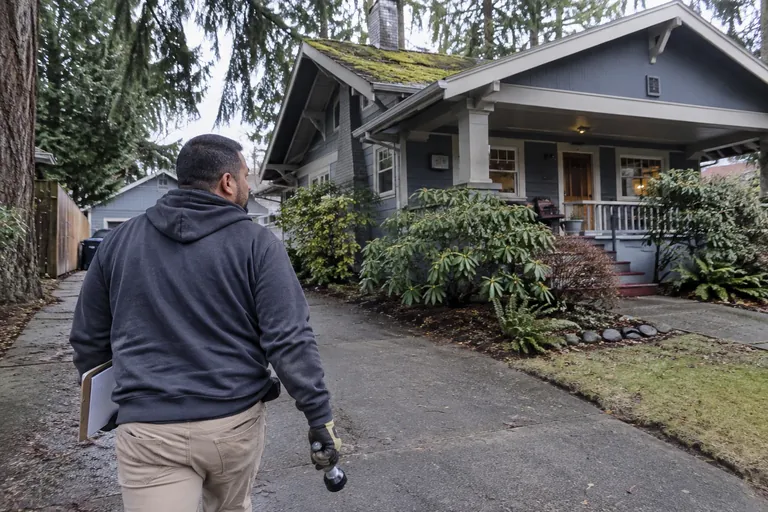
Chimney inspection, cleaning and repair, plus sealing the attic-side gaps that leak heat and let rodents in.
Learn more →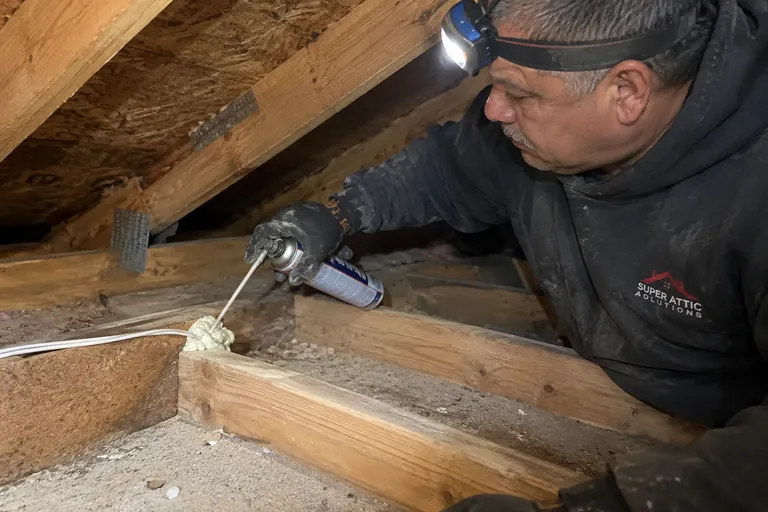
Sealing top plates, can lights, bath fans and chases from the attic side before new insulation goes in.
Learn more →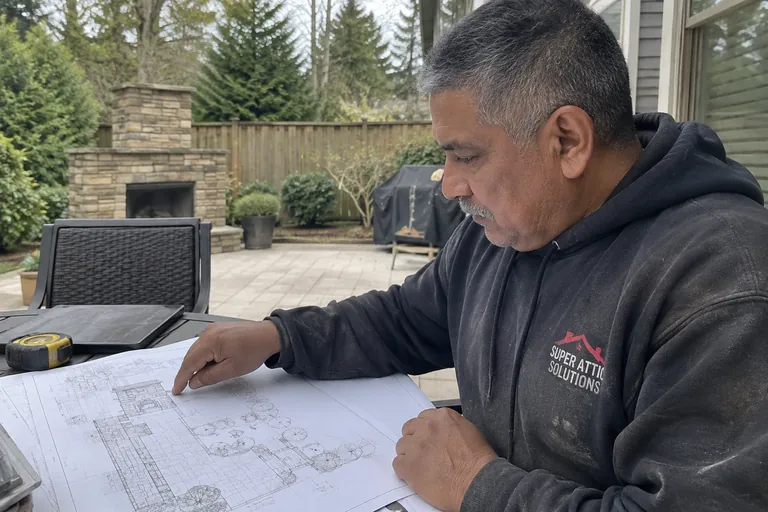
Fireplace and outdoor living projects planned with you for placement, venting and gas, then built by our crew.
Learn more →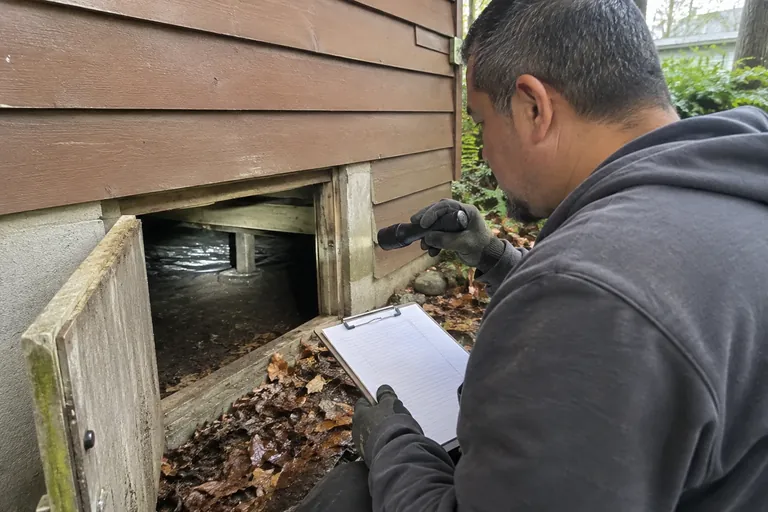
Scheduled checks of the attic, crawl space, ducts, chimney and dryer vent, with photos after every visit.
Learn more →Book a free inspection. We'll photograph your attic and crawl space and walk you through what we find, before you decide anything.