

Heating, cooling & ducts
Ductless mini-split installation
Ductless heating and cooling for homes without ducts, ADUs, additions and bonus rooms.
Learn more →Air conditioning installation · Seattle & Puget Sound
Most Puget Sound homes weren't built with air conditioning. We add it with a heat pump, central AC or a ductless system, and check that your ducts can carry cool air first.
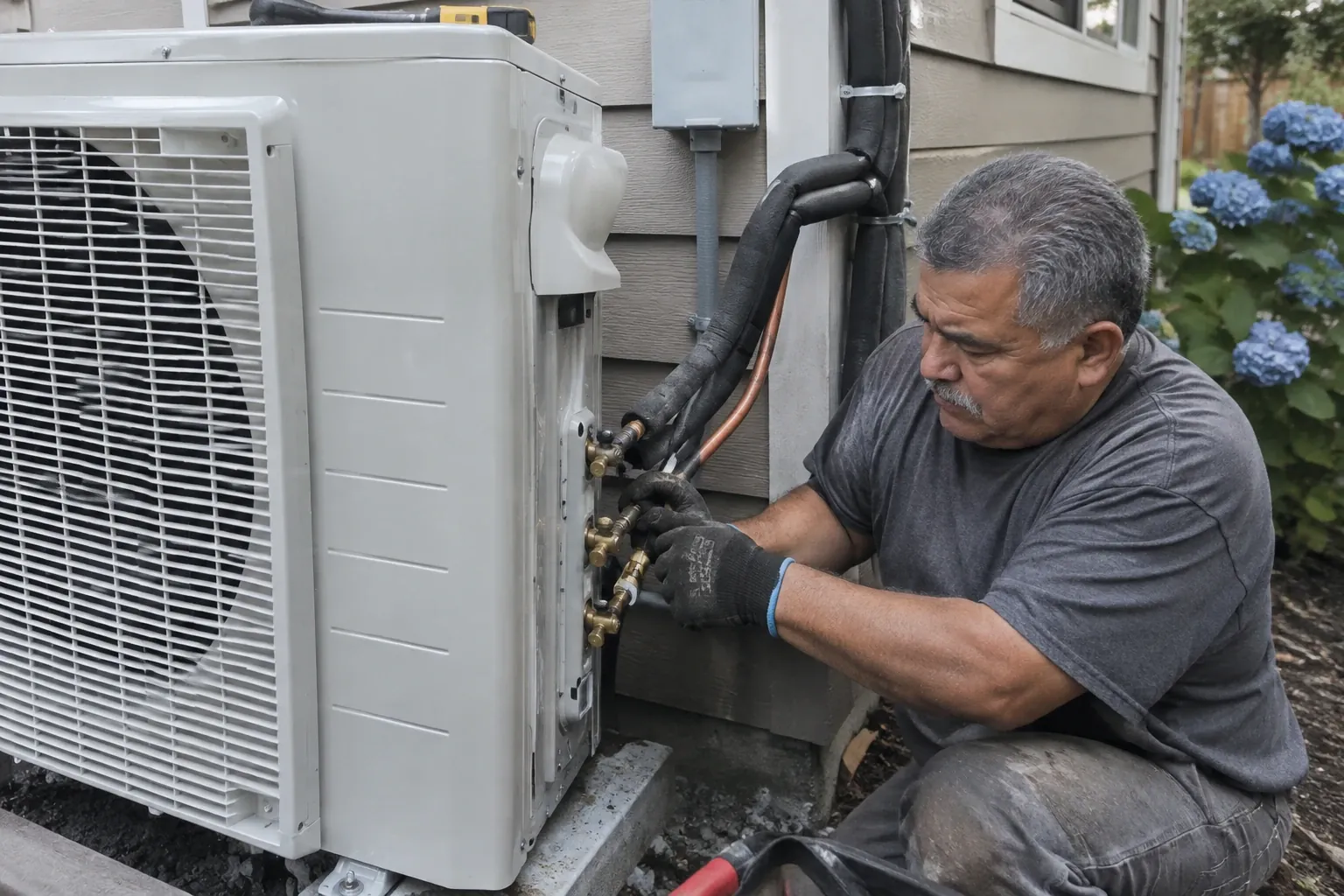 Installing an outdoor heat pump unit · Seattle, WA
The problem
For decades, Seattle-area summers were mild enough that builders left air conditioning out. Many homes got by with open windows and a box fan. That changed as hot stretches got longer and more frequent, and the 2021 heat wave pushed indoor temperatures in some homes past what anyone could sleep through. Upstairs bedrooms and bonus rooms over garages are usually the worst, since they sit right under a hot attic.
Adding AC starts with one question: do you already have ducts? If you have a gas or electric furnace, the ducts are there, and a heat pump or central AC can share them. If you heat with baseboards or a boiler, a ductless system is usually the cleaner path. Either way, cooling puts different demands on ducts than heating does, so we check yours for leaks, crushed runs and missing insulation before we size anything.

Warning signs
These are the situations that bring most homeowners to us for air conditioning.
Rooms under the attic heat up all afternoon and stay hot into the night, even after the air outside cools down.
Window units are noisy, block the view and cool only the room they sit in. A whole-house system replaces all of them.
When wildfire smoke means the windows stay closed, a house without AC has no good way to shed the day's heat.
If your furnace is near the end of its life, a heat pump replaces the heating and adds cooling in one project.
Older family members, babies and anyone working from home feel a hot house the most, and for the most hours.
Adding space or opening up the attic for insulation is a good time to plan cooling, since the work overlaps.
How we do it
Cooling is only as good as the plan behind it. This is how we get there.
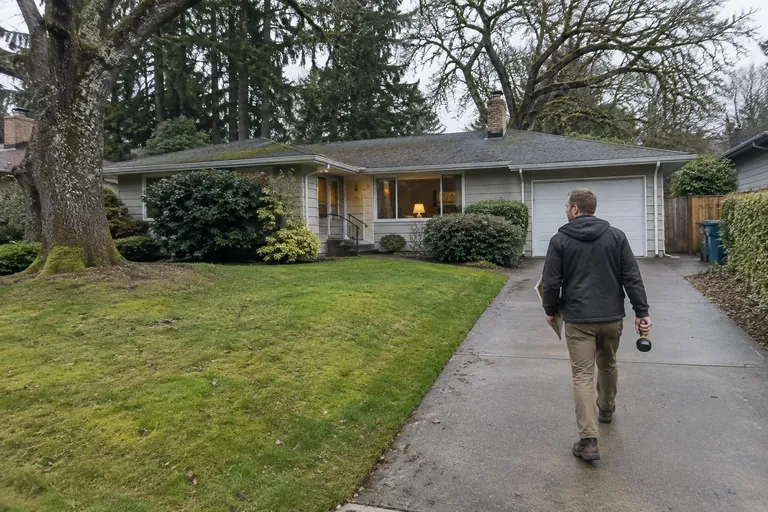
We check what you heat with now, if you have ducts, and their condition in the attic or crawl space. We note attic insulation levels, sun-facing rooms and where an outdoor unit could go. If the ducts are leaky or uninsulated, we photograph them, since cooling will expose those problems fast.
We size the cooling to the house, not to a rule of thumb. That means looking at square footage, windows, insulation and which rooms get afternoon sun. An oversized unit cools in short bursts and leaves the air clammy; an undersized one runs all afternoon and still falls behind.
With ducts in good shape, a ducted heat pump or central AC usually makes sense. Without ducts, ductless heads go in the rooms that need them most. We walk you through the options for your house and what each one means for heating as well as cooling.
We set the outdoor unit on a pad or wall bracket, run the refrigerant line set and condensate drain, and connect the indoor coil or heads. Any duct fixes from the inspection are done before the system starts, so the new cooling isn't pouring into the attic.
We charge and test the system, check airflow and temperature at each register, and confirm that the condensate drains properly outside. Then we walk you through the thermostat or remote, filter changes and what to expect on the first hot day.
What you get
| Inspection | Equipment, ducts, attic insulation and outdoor unit location |
|---|---|
| System sizing | Based on your house: size, windows, insulation and sun exposure |
| Equipment options | Ducted heat pump, central AC or ductless mini-split |
| Outdoor unit | Set on a pad or wall bracket, in a spot agreed with you |
| Line set and drain | Refrigerant lines and condensate drain routed and protected |
| Duct prep | Leaks sealed; damaged runs flagged or replaced before start-up |
| Start-up | System charged, tested and airflow checked at the registers |
| Walk-through | Thermostat, filters and seasonal care explained |
Compare
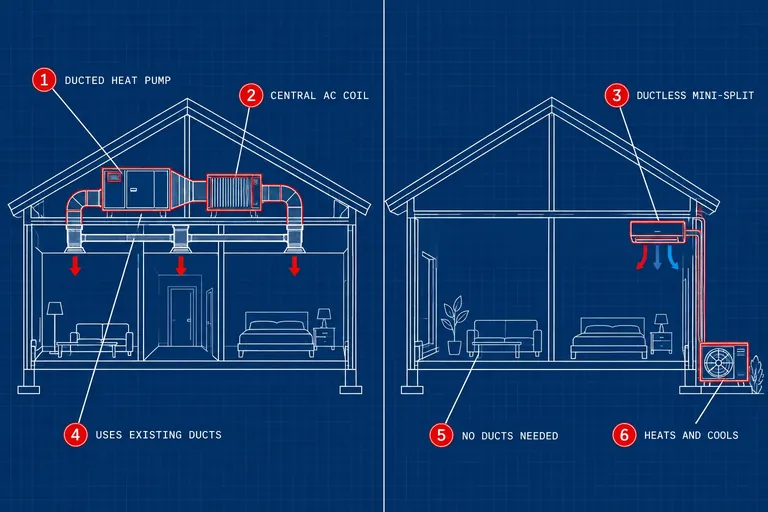
Both add cooling. The right one depends mostly on the ducts your house already has.
| Factor | Ducted heat pump | Ductless mini-split |
|---|---|---|
| Best for | Homes with a furnace and sound ductwork | Homes with baseboards, a boiler or no ducts |
| Indoor equipment | Coil at the furnace; air through existing registers | Wall, ceiling or floor heads in each zone |
| Comfort control | One thermostat per system | Each head controlled separately |
| Duct condition | Ducts must be sealed and sized for cooling | No ducts needed |
| Heating | Heats the whole house, often with furnace backup | Heats the rooms that have heads |
Puget Sound homes
Our summers are short but getting sharper. A string of dry, sunny days in July or August can push an upstairs bedroom in Bellevue or Shoreline well past comfortable, and smoke from regional wildfires sometimes means keeping windows shut exactly when you'd want them open. Nights usually cool off, but a house with a hot attic and no AC holds the day's heat long after sunset. Bonus rooms over garages and top floors with vaulted ceilings take it the worst.
That's a big part of why heat pumps have become the common choice here. Our winters are mild, so a heat pump can carry most or all of the heating and then run in reverse for cooling in summer. One system does both jobs. We also look at the attic, because ducts running through a hot attic lose cooling fast. Sealing those runs and topping up the attic insulation helps a new AC system perform the way it should from the first summer.
Pricing
Adding AC is quoted after we've seen the house, the ducts and the electrical panel.
Using existing ducts and adding ductless heads are different projects, with different equipment and labor.
Larger homes and homes with lots of west-facing glass need more cooling capacity.
Leaky or uninsulated ducts in a hot attic should be fixed first, which adds to the job.
A short, simple path from the outdoor unit to the indoor equipment is less work than a long run around the house.
Some homes need a new circuit or panel work for the outdoor unit. We check this during the inspection and do the electrical work ourselves.
Great service. I highly recommend this company. Wish I would have found them years ago... Isaac, Kareem and Irving were professional, courteous, and friendly. Pricing was clear and there were no surprises. Very happy with our experience.
FAQ
Still unsure? Call (800) 674-4933 and talk it through with us.
Usually, yes. If you have a forced-air furnace, the ducts are already there, and a heat pump or AC coil can be added at the furnace to cool through the same registers. We check that the ducts are sealed and sized well enough to move cool air, since cooling generally needs more airflow than heating.
A heat pump is an air conditioner that can also run in reverse. In summer it moves heat out of the house; in winter it moves heat in. That's why heat pumps are so common in the Puget Sound now. With mild winters, one system can handle both jobs, often with your existing furnace kept as backup for the coldest days.
Then a ductless mini-split is usually the simplest way to add cooling. Small indoor heads go in the rooms that need it, connected to an outdoor unit by refrigerant lines through the wall. Homes heated with baseboards are a common fit. In some houses, adding ducts through the attic or crawl space is an option too.
It can, if the ducts are sealed and well insulated. Leaky or crushed attic ducts lose a lot of cooling before the air reaches your rooms, and they pull hot attic air into the system. We check every attic run before installing cooling and fix the ones that would undermine the new system.
Usually on a pad beside the house or on a wall bracket, close to the indoor equipment. We look for a spot with good airflow around the unit, a reasonable path for the refrigerant lines, and a location that isn't right outside a bedroom window. We agree on the placement with you before install day.
Adding a heat pump or AC to an existing furnace and duct system often takes a day or two. Ductless systems vary with the number of heads. If duct repairs or electrical work are part of the job, that adds time. We give you a schedule with the quote so you know what to expect.
Related services
Ductless heating and cooling for homes without ducts, ADUs, additions and bonus rooms.
Learn more →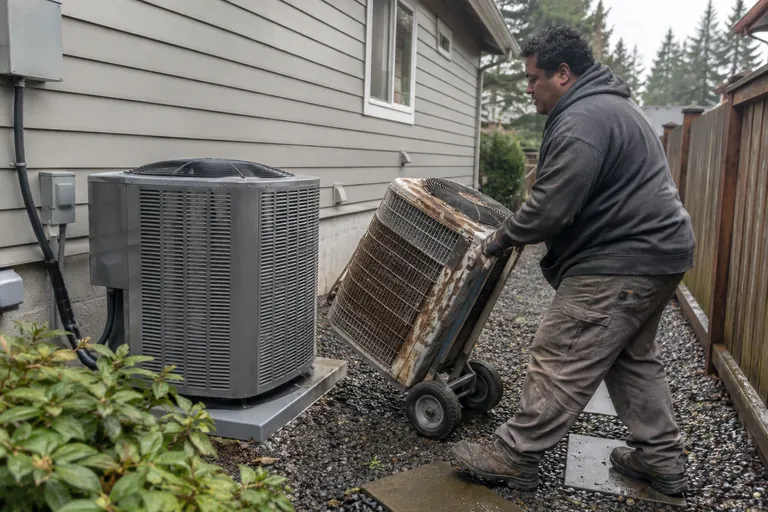
Aging AC or heat pump replaced with a matched system, with the coil, line set and ducts checked.
Learn more →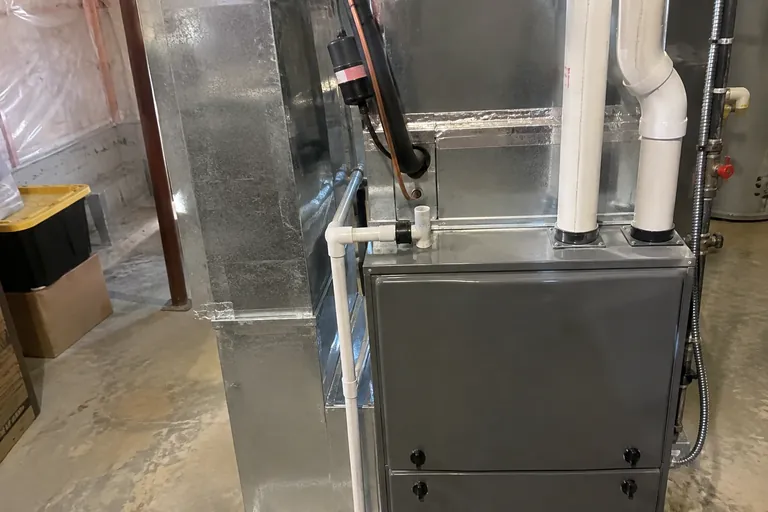
New furnace with AC or heat pump installed as a matched pair, with the ducts sealed and sized to carry both.
Learn more →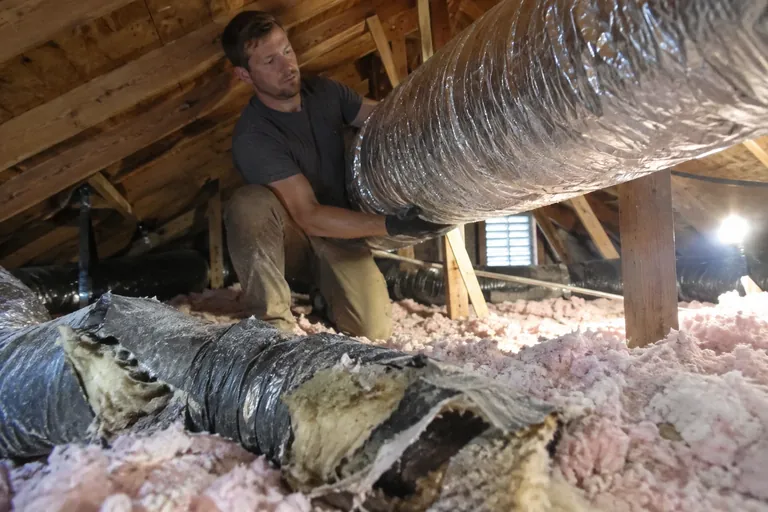
Crushed, chewed and leaky attic flex duct replaced with insulated duct, sealed and supported properly.
Learn more →Book a free inspection. We'll photograph your attic and crawl space and walk you through what we find, before you decide anything.