
Crawl space & moisture
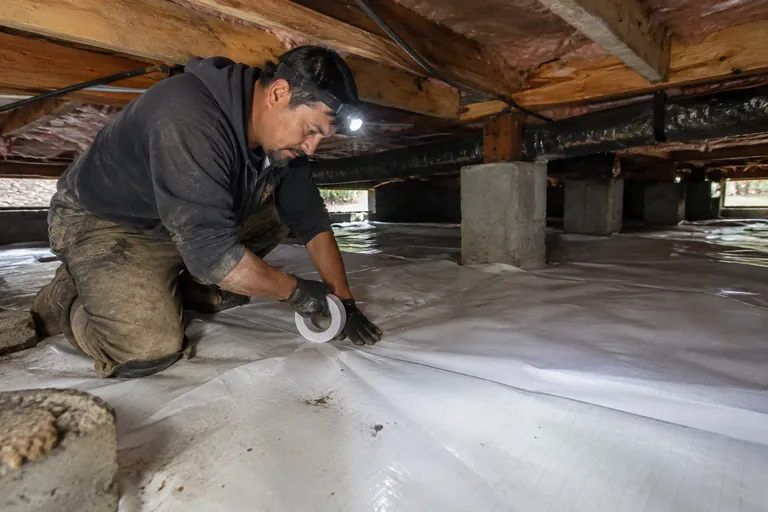
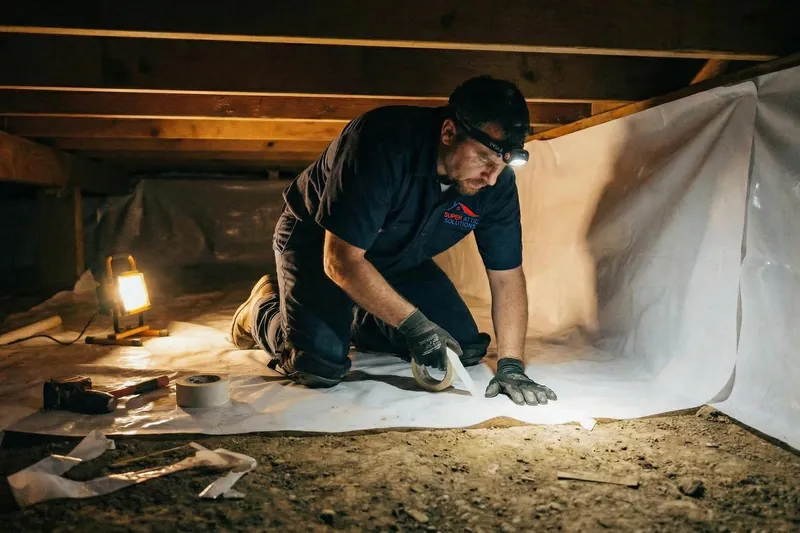
Crawl space vapor barrier installation
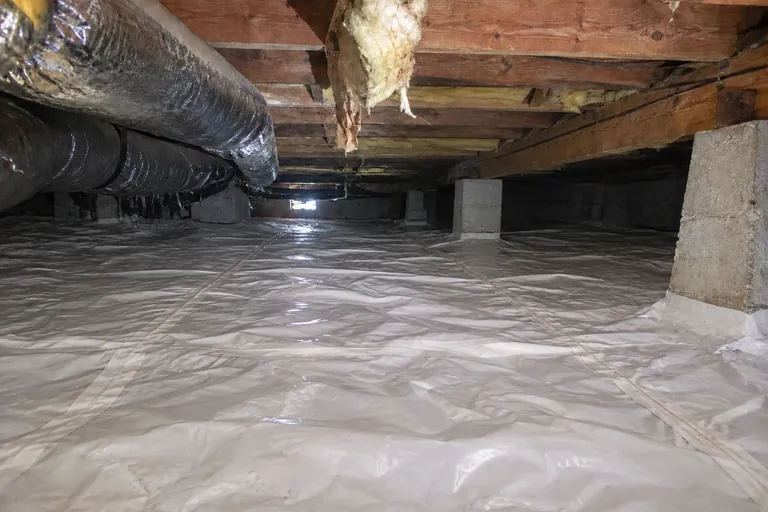
New crawl space ground cover, 6-mil or reinforced, lapped at the seams and run to the foundation walls.
Learn more →Crawl space cleaning · Seattle & Puget Sound
We bag and haul out droppings, fallen insulation, torn plastic and old construction scraps from under your house, then seal the gaps rodents used. You see photos before and after.
 Cleaning debris and old plastic out of a crawl space · Seattle, WA
The problem
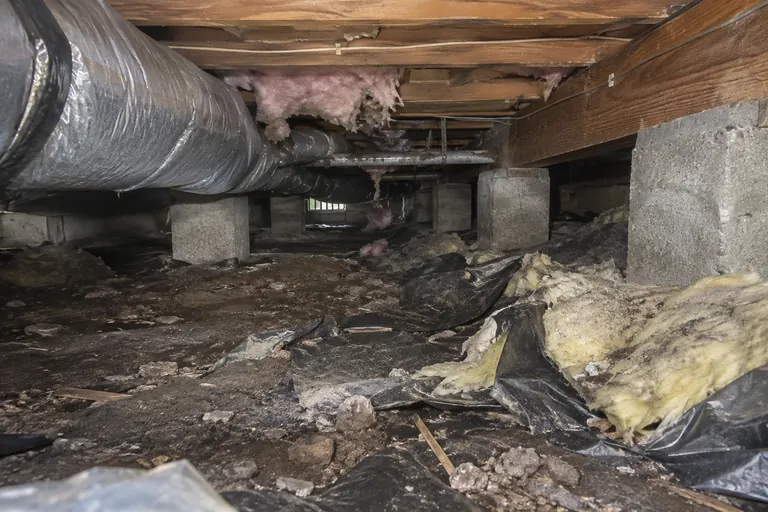
Most crawl spaces get visited once, when the house is built, and then forgotten. Over the years the stuff piles up: lumber offcuts and drink cans the framers left, torn sheets of black plastic, batts that slipped off the joists after a wet winter, and the nests and droppings of rats that found a gap in a vent screen. None of it goes away on its own. It holds moisture against the soil, feeds odors that drift up through floor penetrations, and hides problems like plumbing leaks and wood rot.
Crawl space cleaning means getting all of that out safely and leaving a space you can inspect and maintain. Our crew suits up, works the crawl space in sections, and bags everything at the access hatch so nothing gets dragged through your house. Droppings are misted down before removal instead of swept dry. Once the ground is clear, we can see the real condition of your joists, pipes, ducts and foundation vents, and we tell you plainly what, if anything, needs to happen next.
Warning signs
You may never go down there. These are the clues that show up in the rooms above or at the hatch.
Odors from wet soil, rotting debris or droppings rise through gaps around pipes, ducts and floor registers, worst after a stretch of rain.
Rat droppings at the access opening or around foundation vents usually mean far more activity farther in.
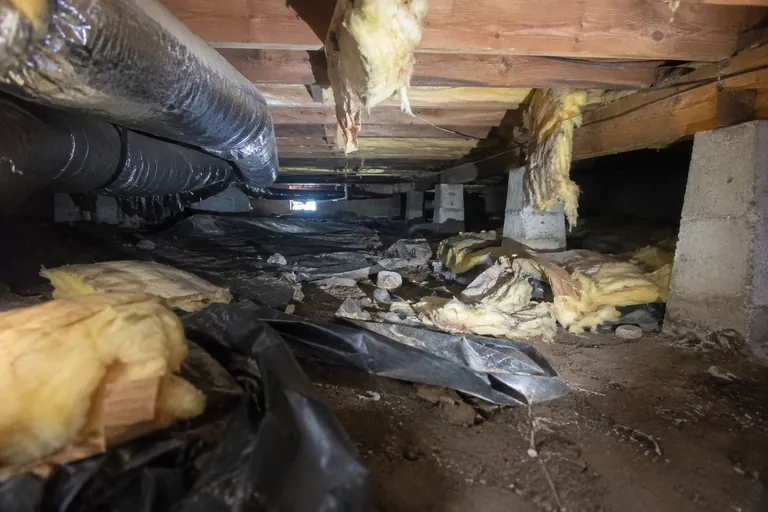
Batts that sag or lie on the ground stop insulating and turn into wet, dirty material that holds moisture.
Bare soil and shredded plastic let ground moisture rise freely into the crawl space and the wood above it.
Noises below the floor after dark point to roof rats or Norway rats nesting in insulation or debris piles.
Old lumber, cardboard and cut pipe left on the soil feed mold and give rodents cover. All of it should come out.
Proof of work
Drag the slider to compare. Illustrations of typical results on homes like yours.

 BeforeAfter
 STEP 01
 STEP 02
 STEP 03
 STEP 04
How we do it
Same order on every job, so nothing gets missed and nothing gets tracked through your home.
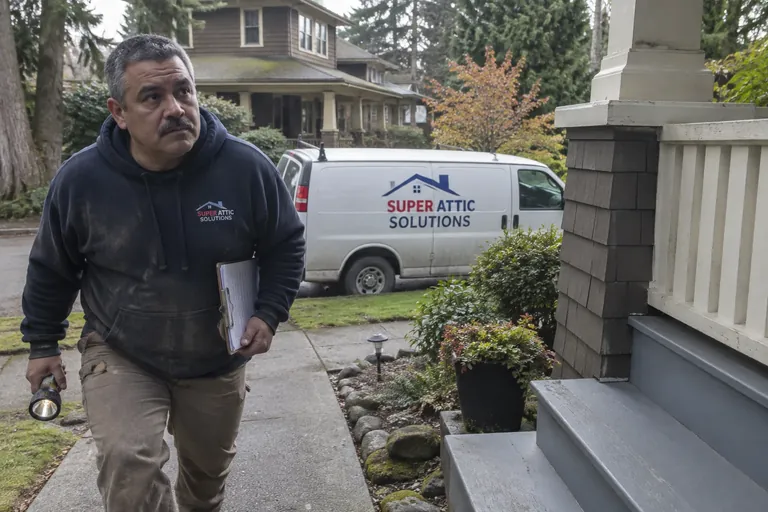
A technician goes into the crawl space with a light and a camera. We photograph droppings, fallen insulation, plastic condition, standing water, damaged vents and any wood damage, then walk you through the pictures at your kitchen table. You get a written scope that lists what comes out, what stays and what we recommend after.
We lay runners from the door to the hatch, set up a staging area outside, and wear disposable suits and respirators. Droppings and nesting material are misted with a disinfectant before anyone touches them, so dust doesn't get stirred into the air. Lights go in so the crew can see every corner of the space.
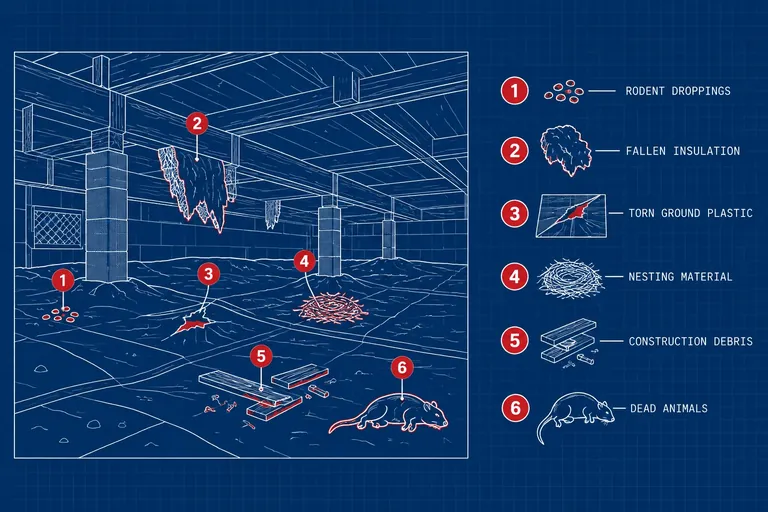
The crew works from the far wall back toward the hatch. Old ground plastic, fallen and soiled insulation, nesting material, droppings, dead animals and construction scraps are bagged inside the crawl space and passed out through the opening. Nothing loose gets carried through your living space. Every bag is hauled away and disposed of, not left at the curb.
With the ground clear, we apply a disinfectant to soiled soil and framing, then seal the gaps rodents were using: broken vent screens, gaps around pipe and wire penetrations, and openings at the sill. If rats are still active, we set traps and come back to check them before sealing the last openings.
You get after photos taken from the same angles as the inspection. Most cleaned crawl spaces then need a new ground cover and often new underfloor insulation, and we quote those separately so you can decide. If the space is in good shape after cleaning, we tell you that too.
What you get
| Inspection | Free walkthrough with photos of the full crawl space before any work |
|---|---|
| Debris removal | Construction scraps, cardboard, old pipe, nesting material and trash |
| Droppings | Misted down, then bagged by hand or HEPA-vacuumed, never swept dry |
| Old ground plastic | Torn or buried plastic pulled up and hauled away |
| Fallen insulation | Sagging, wet or rodent-soiled batts removed from joists and soil |
| Sanitizing | Disinfectant applied to soiled soil, framing and the access area |
| Rodent entries | Vent screens, pipe gaps and sill openings sealed |
| Haul-away | All bags loaded out and disposed of; nothing left on your property |
Compare
Some crawl spaces just need the mess out. Others need new materials once it's gone. The photos usually make the choice clear.
| Factor | Cleaning only | Cleaning plus restoration |
|---|---|---|
| What gets removed | Debris, droppings, fallen batts and torn plastic | The same removal, done first |
| Ground cover | Existing plastic kept if it's intact | New ground cover, lapped and run to the walls |
| Underfloor insulation | Left in place if it's dry and still up | New batts installed and supported |
| Rodent sealing | Entry points sealed | Entry points sealed |
| Best fit | Sound materials with a light mess | Wet, torn or rodent-soiled materials throughout |
Puget Sound homes
From October through May the ground under most Puget Sound homes stays damp. That steady moisture is what turns ordinary crawl space debris into a problem: cardboard molds, batts soak up water and drop off the joists, and the smell finds its way upstairs. Older Seattle houses in neighborhoods like Ballard, Wallingford and West Seattle often have low crawl spaces with dirt floors and plastic that was laid decades ago, if at all. Eastside homes built in the 1970s through 1990s usually have more headroom, but the original plastic has long since torn under plumbers' knees and rats' teeth.
Roof rats and Norway rats both live here, and crawl spaces suit them: dry pockets in fallen insulation, a steady temperature and easy access through foundation vents with rusted screens. Cleaning without sealing those vents just makes room for the next family of rats. That is why our crawl space cleanings end with exclusion work and a clear list of what we sealed, with photos. If you are a PSE customer and the underfloor insulation needs replacing after cleaning, we check what you qualify for and handle the rebate paperwork with you.
Pricing
Every crawl space is different, so we price after seeing yours. These are the things that move the number.
A large footprint takes longer, and a low crawl space with tight clearance slows the crew more than size alone.
A few bags of old plastic is a different job from years of droppings, fallen batts and construction debris.
Active rats mean trapping and return visits before the last entry points are sealed.
Hatches in closets or under stairs, or exterior access behind decks, change how material gets carried out.
New ground cover, underfloor insulation or vent repairs are quoted separately, so you choose what to do.
The company was quick to respond and send out Ron. Ron was great in communicating the issues we were having in our crawlspace. Had showed us the pictures of the crawl space and was able to get us booked the very next day. The crew was fantastic and worked throughout the day. The bonus was they were also able to take a handful of containers to the dump to assist saving us a dump run.
FAQ
Still unsure? Call (800) 674-4933 and talk it through with us.
There is no fixed schedule. Most crawl spaces need a real cleaning once, after years of neglect or a rodent problem, and then just an inspection every few years or after any leak. If the ground cover is intact, the insulation is in place and the vents are sealed against rodents, a crawl space can stay in good shape for a long time with little attention.
You can pick up loose debris, but droppings are the part to leave to a crew with respirators and protective suits. Rodent droppings can carry hantavirus, and sweeping them or vacuuming them dry with a shop vac puts particles into the air. Crawl spaces also hide nails, broken glass and live wiring. If you do go in, wet droppings down first and wear a proper respirator.
Yes. Dead rats, and sometimes larger animals like opossums, are bagged and removed during the cleaning along with the soiled insulation or soil around them. We apply a disinfectant to the spot and look for how the animal got in, since the same gap usually explains the rest of the activity. If you only need a single carcass removed, ask about our dead animal removal service.
Usually it makes a big difference, because rotting debris, droppings and wet batts are common smell sources. But if the odor comes from damp soil or water pooling under the house, the smell returns until the moisture is handled. During the inspection we look for standing water, missing ground cover and blocked vents, so you know whether cleaning alone will solve it.
Someone needs to let us in at the start and walk through the plan, and we like to show you the after photos at the end. Most jobs run through an exterior hatch or a closet hatch, so you can stay in the house while we work. We keep pets away from the work path and close off the hatch area while the crew is under the floor.
Most homes need a new ground cover once the old plastic comes out, and many need new underfloor insulation where batts fell or were soiled. We quote those items separately and show you photos so you can see why. If rats were the cause, sealed entry points and a follow-up check come first. Some homes need nothing more than the cleaning.
Related services
New crawl space ground cover, 6-mil or reinforced, lapped at the seams and run to the foundation walls.
Learn more →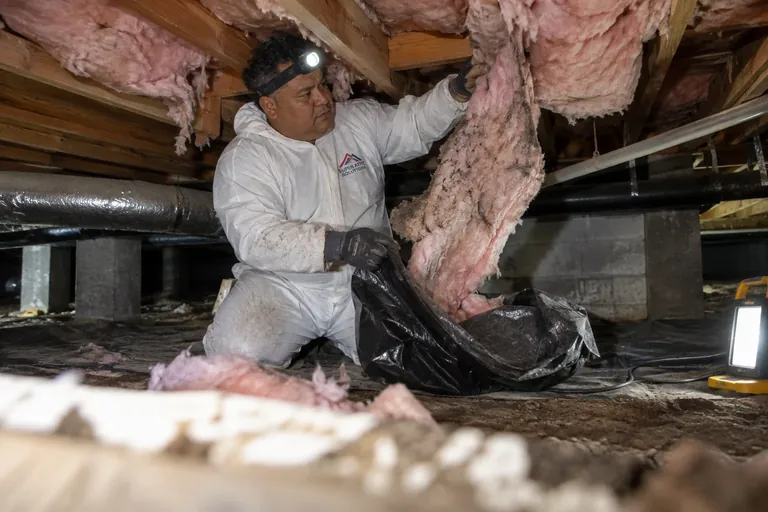
Wet, sagging or rodent-soiled batts pulled from the floor joists, bagged and hauled away.
Learn more →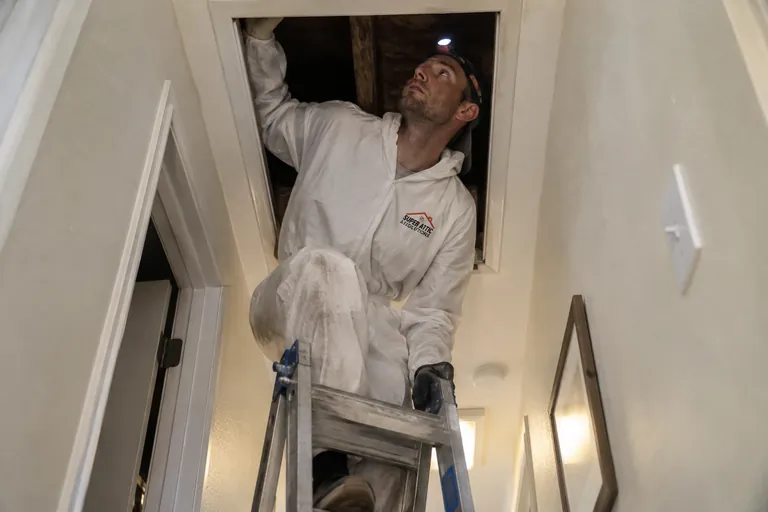
Rat removal built for the two spaces they live in: the attic above and the crawl space below.
Learn more →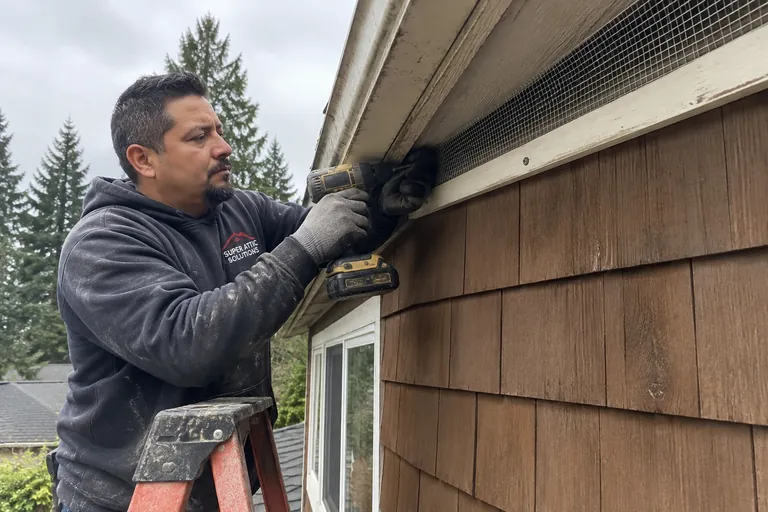
We find every gap rats and mice use, from roof vents to crawl space, and seal it with metal.
Learn more →Book a free inspection. We'll photograph your attic and crawl space and walk you through what we find, before you decide anything.