
Roofing
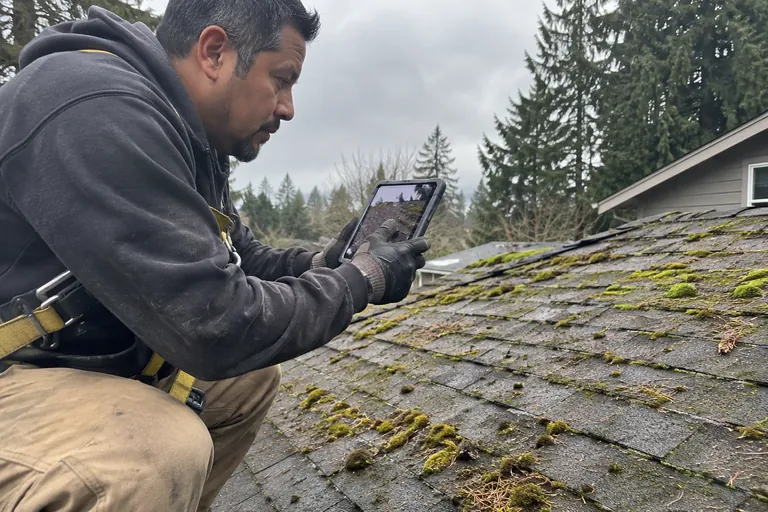
Roof inspection
Outside and attic-side roof checks: flashing, moss, deck staining, daylight and ventilation, with photos.
Learn more →Roof replacement · Seattle & Puget Sound
We tear off to the deck, replace what's rotted, flash every penetration and fix the attic ventilation underneath, so the new roof isn't cooked or soaked from below.
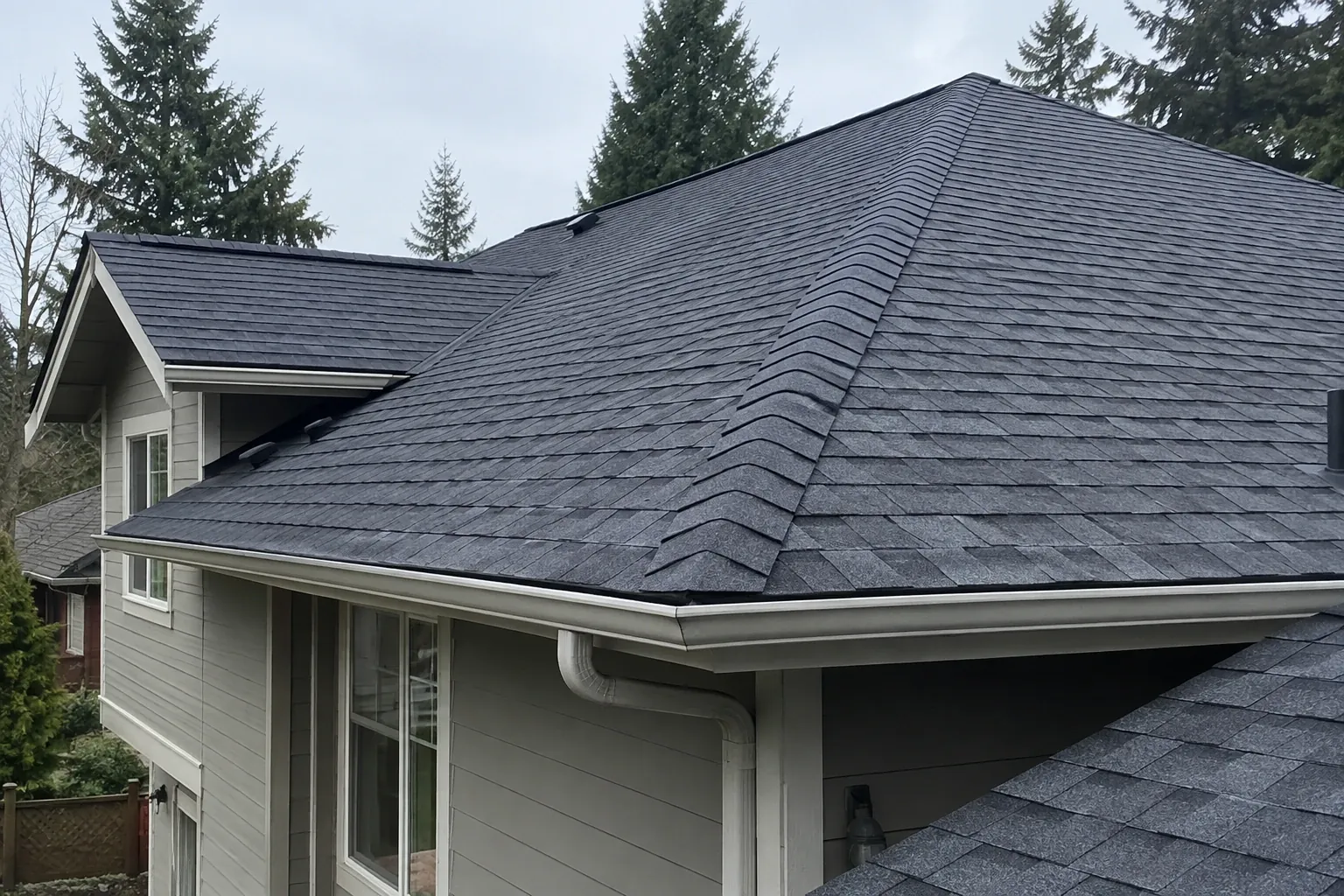 New architectural shingle roof on a Seattle home
The problem
A roof wears out from the top and from the bottom. Rain, moss and UV wear the shingles from above. From below, moist air from the house and a poorly ventilated attic rot the sheathing and rust the nails. If you only replace the shingles, the problems underneath keep working on the new roof from day one. Both halves need attention.
When the old roofing comes off, the whole deck is exposed. Soft spots can be cut out, ridge vents can be cut in, and flashing can be rebuilt instead of caulked. Because we also work inside attics every day, we look at the roof as a system: shingles on top, a sound deck, open soffit vents, baffles over the insulation and exhaust ducts that actually leave the house.
Warning signs
One leak can be repaired. These point to a roof at the end of its life.
When stains appear in several rooms or keep coming back after repairs, the roofing is failing across the roof, not in one spot.
Shingles that cup at the edges, crack across the tabs or have lost their granules no longer shed water well.
A roof that feels spongy underfoot or dips between rafters has wet or rotted sheathing that needs to come out.
Dark sheathing across many bays, rusted nails everywhere or daylight in several spots means patching won't keep up.
How we do it
It starts with a free inspection from outside and from the attic.
We inspect the roof surface, flashing and the attic side of the deck, and take photos. Then we write up what the job includes: roofing material, deck repairs we expect, flashing, ventilation changes and any attic work. Some cities require a permit for a re-roof. Where yours does, we pull it.
We strip the old roofing down to the sheathing and protect your landscaping and siding while we work. Then we walk the deck and replace any soft, delaminated or rotted boards. Exposed areas get covered quickly so an unexpected shower doesn't get inside.
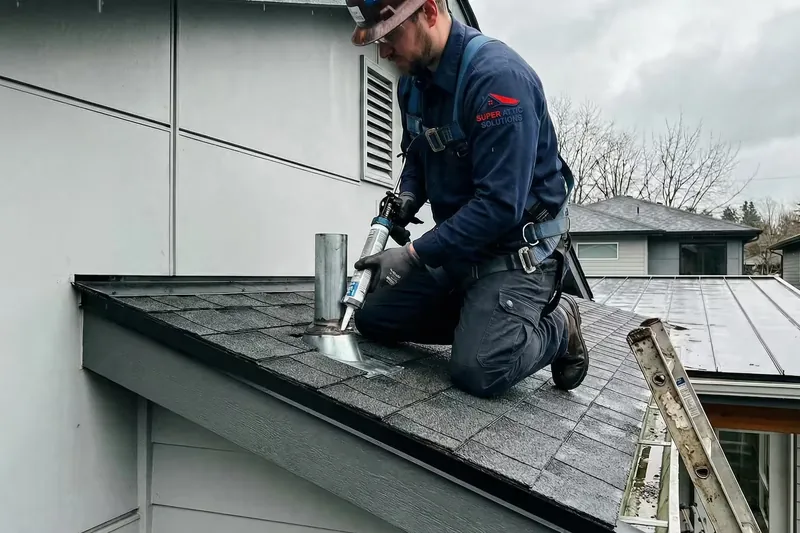
Underlayment goes down across the deck, with extra protection in valleys and along the eaves. Chimneys, skylights, walls and pipe vents get new flashing and boots. Then the new roofing goes on, with ridge caps and vents installed to the manufacturer's instructions.
We make sure intake air at the soffits and exhaust at the ridge are balanced, and that baffles keep insulation off the soffit vents. Bath fan and dryer ducts get proper roof or wall caps. We clean up debris and run a magnet over the yard for nails before we leave.
What you get
| Tear-off | Old roofing removed down to the deck and hauled away |
|---|---|
| Roof deck | Soft or rotted sheathing cut out and replaced |
| Underlayment | Full coverage, with extra protection at valleys and eaves |
| Flashing | New flashing at chimneys, skylights, walls and pipe vents |
| Roofing material | Composition shingles or metal, chosen with you at the estimate |
| Ventilation | Soffit intake and ridge exhaust balanced; baffles checked from the attic |
| Exhaust ducts | Bath fan and dryer ducts capped through the roof or wall |
| Cleanup | Debris removed, gutters cleared, yard swept for nails |

Compare
We'll tell you honestly which one your roof needs.
| Factor | Repair | Replace |
|---|---|---|
| Best for | One leak source on a roof with life left | Worn roofing or leaks in several places |
| Roof deck | Checked locally around the repair | Fully exposed and repaired wherever needed |
| Flashing | Fixed where it failed | Replaced everywhere |
| Ventilation | Usually unchanged | Can be rebalanced with ridge and soffit vents |
| Disruption | Small, often a short visit | A full project with tear-off and cleanup |
Puget Sound homes
Our roofs rarely fail from heat. They fail from months of rain, moss and shade. Homes under tall firs and cedars around Bellevue, Sammamish and Snohomish County grow moss fast and stay damp through spring. Many older homes still have cedar shakes or two layers of shingles, which hide rot in the deck. And because winters here are mild and wet, condensation inside the attic is a constant threat. A new roof installed over a poorly vented attic can grow mold on the fresh sheathing within a few seasons. That's why we treat ventilation as part of the roof, not an add-on.
Pricing
Every roof is priced after we inspect it. These are the factors that move the number.
More area means more material. Steep roofs need extra safety setup and slow the work.
Two layers of shingles, or shakes under shingles, take longer to remove and add disposal.
Rotted or delaminated sheathing has to be replaced before the new roof goes on.
Composition shingles and metal differ in material cost and installation time.
Chimneys, skylights and new ridge or soffit vents each add flashing and labor.
Great service. I highly recommend this company. Wish I would have found them years ago... Isaac, Kareem and Irving were professional, courteous, and friendly. Pricing was clear and there were no surprises. Very happy with our experience.
FAQ
Still unsure? Call (800) 674-4933 and talk it through with us.
Sometimes it's allowed, but we usually recommend a full tear-off. Laying over the old roof hides the deck, so rot and soft spots stay in place under the new shingles. It also adds weight and makes flashing harder to do right. With a tear-off, you know what the roof is sitting on.
Usually only in sections. Most roof decks are sound except around old leaks, along the eaves and near bath fan or chimney penetrations. We find the soft spots during tear-off and replace those boards. If the attic shows widespread condensation damage, more of the deck may need to go, and we'll show you why.
A roof breathes from below. Air comes in at the soffits and leaves at the ridge, carrying moisture out of the attic. Without that flow, warm, damp air condenses on the underside of the deck through the wet season. That leads to mold, rusted nails and rot, and it shortens the life of the new roof.
It depends on what you value. Shakes look great on older homes but need regular care in our wet climate and can grow moss quickly. Composition shingles and metal need less maintenance. We'll walk you through the trade-offs for your house, your tree cover and how long you plan to stay.
Yes. A re-roof is a good time to look at the whole attic. We can install baffles, air seal around fixtures and the attic hatch, and top up or replace insulation once the roof work is done. Doing it together means one inspection and one crew that understands both sides of the deck.
Related services
Outside and attic-side roof checks: flashing, moss, deck staining, daylight and ventilation, with photos.
Learn more →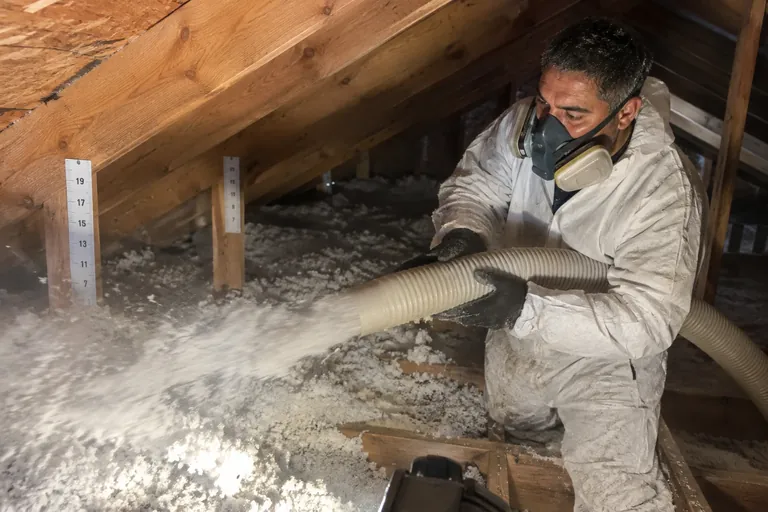
How much insulation your attic needs, which material fits, and what it takes to get there.
Learn more →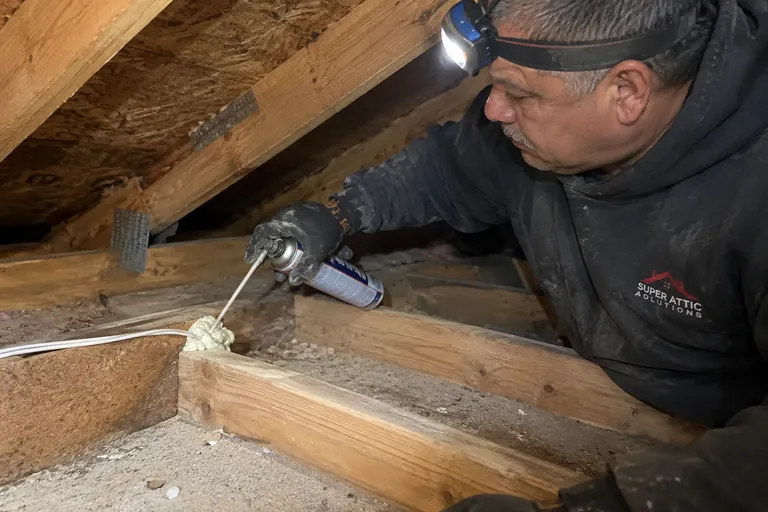
Sealing top plates, can lights, bath fans and chases from the attic side before new insulation goes in.
Learn more →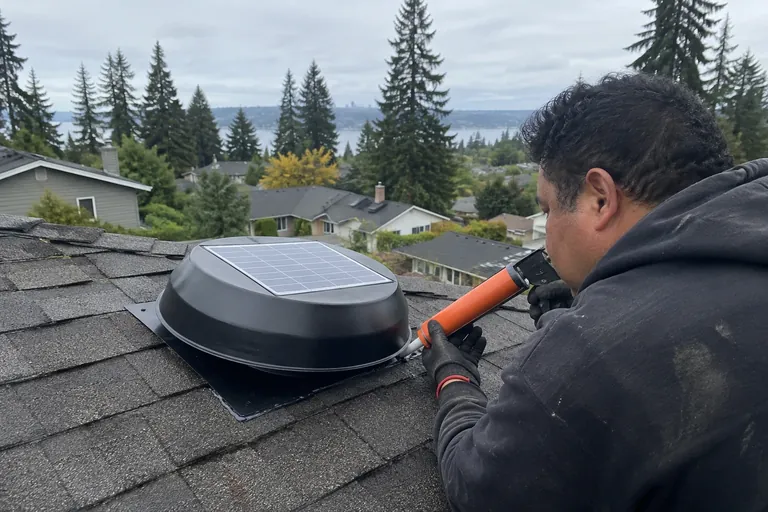
Solar-powered attic exhaust fans with no wiring, placed for sun and paired with a sealed ceiling.
Learn more →Book a free inspection. We'll photograph your attic and crawl space and walk you through what we find, before you decide anything.