

Multi-family
Multi-family PSE insulation rebates
We check what your apartment, condo or HOA building qualifies for with PSE and handle the paperwork with you.
Learn more →Multi-family insulation · Seattle & Puget Sound
Thin, settled or rodent-soiled insulation over a shared attic makes top-floor units hot in August and cold in January. We remove what's failing, install the right material and phase the work around your tenants.
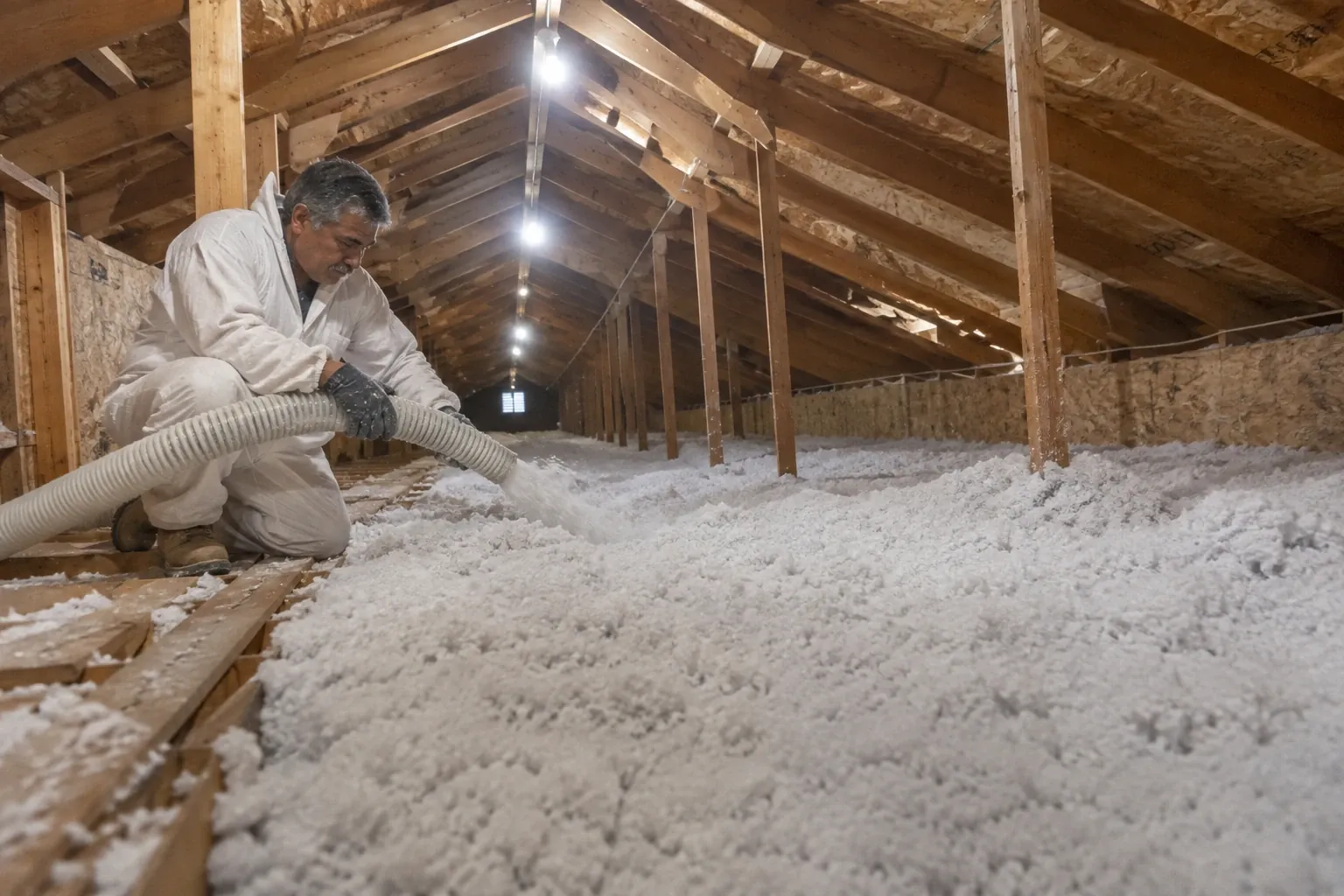 Insulating the shared attic over a row of townhomes · Bothell, WA
The problem
In most multi-family buildings the attic and the crawl space are shared, but the comfort problems show up unit by unit. Top-floor tenants feel the attic. Ground-floor tenants feel the crawl space. End units lose heat through more exterior wall. When the insulation above or below them has settled, been trampled by cable installers or soiled by rodents, those tenants run their heat harder and call you about drafts and cold floors.
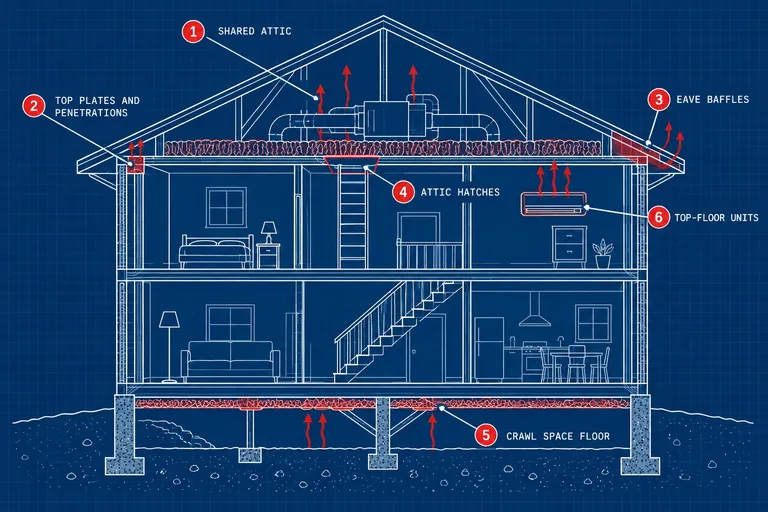
We look at the building as one thermal envelope. We measure what's in each attic section and crawl space, find the thin spots, the open gaps at top plates and the uninsulated hatches, and give you a scope that fixes the whole assembly. Then we plan the work so each section is done in a sequence that fits your occupancy and your budget.
Warning signs
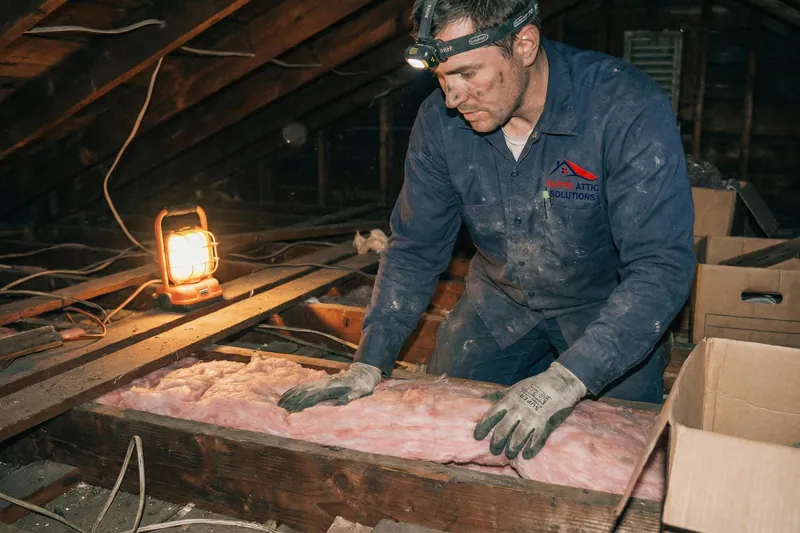
These show up in tenant calls, maintenance tickets and utility bills before anyone looks in the attic.
Upper units that won't cool down on warm afternoons usually sit under thin or compressed attic insulation.
Drafty, cold floors in ground-floor units point to missing or fallen crawl space insulation.
When identical units report very different comfort, the insulation above or below them is rarely the same.
If you can see the tops of the attic joists, the insulation has settled well below a useful depth.
Soiled insulation loses performance and holds odor. It needs to come out, not be covered over.
Warm, moist air leaking from units into the attic can condense on cold sheathing during our long wet season.
Proof of work
Drag the slider to compare. Illustrations of typical results on homes like yours.
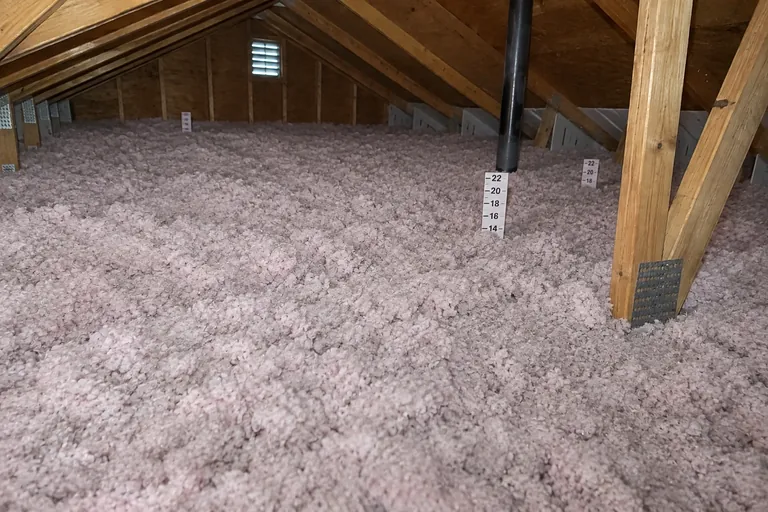
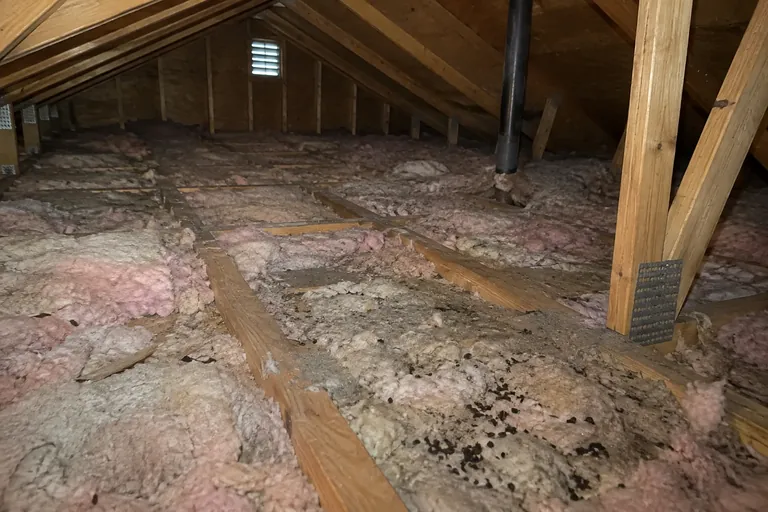 BeforeAfter
How we do it
Inspection first, then a scope you can take to the owner or board.
We go into each attic section and crawl space, measure insulation depth, check for rodent damage, moisture and air leaks, and photograph what we see. If the property has several attic sections or separate buildings, each one is recorded on its own so you can compare conditions side by side.
You get a scope that lists each section, the recommended material and target R-value, and whether the old insulation needs to come out first. If the budget calls for phases, we sequence them by priority, starting with the worst attic or crawl space, and schedule the rest after.
Most insulation work happens from the attic and the crawl space, but some hatches sit inside units or closets. We give you the list of units we need to enter and the dates, so you can send tenant notices and arrange keys or an escort from your maintenance staff.
Where the old insulation is soiled, wet or too compressed to keep, we vacuum it out and bag it. With the attic floor clear, we seal the gaps around top plates, wiring holes, plumbing stacks and light fixtures that let warm, moist air from the units rise into the attic.
We install the agreed material to the target depth, with baffles at the eaves to keep soffit vents open and depth markers in blown-in areas. You get before-and-after photos and depth readings for each section, ready for the owner, the board or a rebate file.
What you get
| Areas covered | Shared attics, crawl spaces, attic hatches and accessible knee walls |
|---|---|
| Materials | Knauf EcoBatt, CertainTeed, blown-in fiberglass, cellulose, rockwool |
| Removal | Vacuum removal and bagging of old, soiled or wet insulation |
| Air sealing | Top plates, wiring and plumbing penetrations, hatches and light fixtures |
| Ventilation | Eave baffles keep soffit vents clear after new insulation goes in |
| Phasing | By building, attic section or stack to fit occupancy and budget |
| Documentation | Before-and-after photos and depth readings for each section |
| Rebates | PSE rebate check for qualifying buildings, with paperwork help |
Compare
Both are valid. The condition of what's already there decides it.
| Factor | Top up existing | Remove and replace |
|---|---|---|
| When it fits | Old insulation is dry, clean and just thin | Insulation is soiled, wet, moldy or badly compressed |
| Air sealing | Harder, since gaps are buried under old material | Full access to the attic floor for sealing |
| Rodent history | Not suitable if droppings are present | Removes contamination with the old material |
| Crew time | Shorter time in each attic section | More crew time, still worked from the attic |
| Result | Adds depth over the existing layer | Clean, even layer at the target depth |
Puget Sound homes
Our winters are mild but long and wet, which makes moisture as big a concern as heat loss. Warm, humid air from showers and cooking in dozens of units rises toward a shared attic. If the attic floor isn't air sealed and the soffit vents are buried under insulation, that moisture condenses on the cold roof sheathing from October to May. That is why we treat air sealing and eave baffles as part of the insulation job, not as an add-on.
Plenty of the region's apartment and condo buildings date from the 1960s through the 1990s, from Seattle garden apartments to Eastside and Snohomish County condo complexes. Many still have their original attic insulation, which has had decades to settle, get walked on and collect rodent waste. Current Washington new-construction attic targets run from R-49 to R-60, so older buildings often have a lot of room to improve, and the gain is felt most by the tenants on the top floor.
Pricing
Every building is priced after inspection. These are the main factors.
Total square footage across all sections, and how many separate sections the crew has to set up in.
Soiled or wet insulation has to be vacuumed out and disposed of before anything new goes in.
Batts, blown-in fiberglass, cellulose and rockwool differ in cost, and deeper targets take more material.
Tight crawl spaces, hatches inside units and multi-phase schedules add setup and crew time.
PSE rebates may offset part of the cost for qualifying buildings. We check what applies before you commit.
Great service. I highly recommend this company. Wish I would have found them years ago... Isaac, Kareem and Irving were professional, courteous, and friendly. Pricing was clear and there were no surprises. Very happy with our experience.
FAQ
Still unsure? Call (800) 674-4933 and talk it through with us.
Yes. Most of the work happens in attics and crawl spaces, so tenants stay in their units. We plan around any hatches inside units, keep hallways and entries clear, and contain the work area during removal. You get the schedule in advance so you can send tenant notices.
It depends on the attic. Blown-in fiberglass or cellulose fills around trusses and wiring well and suits large open attics. Batts like Knauf EcoBatt work in open joist bays and knee walls. Rockwool resists moisture and fire, which suits some areas near mechanical equipment. We recommend a material for each section after the inspection.
No. A shared attic is usually done as one section, because insulation up there doesn't stop at unit lines. Beyond that, you can phase by building, wing or stack. We write the scope in phases so you can approve one at a time and budget the next one with real inspection data.
It depends on the attic area, whether old insulation has to come out and how many separate sections there are. A single attic with no removal goes faster than a multi-building job with full removal. We give you a schedule for each phase with the estimate, so you know which days the crew will be on site.
It addresses one of the main causes. Thin attic insulation and open air leaks are common reasons top-floor units overheat and ground-floor units feel drafty. Insulation won't fix undersized heating equipment or failed ductwork, so we note those when we see them during the inspection and tell you what we found.
Possibly. Puget Sound Energy sets the eligibility rules and amounts, and they change. Buildings generally need to be heated by gas or electricity supplied by PSE. We check what your property qualifies for and handle the paperwork with you. Our multi-family PSE rebate page explains how that works.
Related services
We check what your apartment, condo or HOA building qualifies for with PSE and handle the paperwork with you.
Learn more →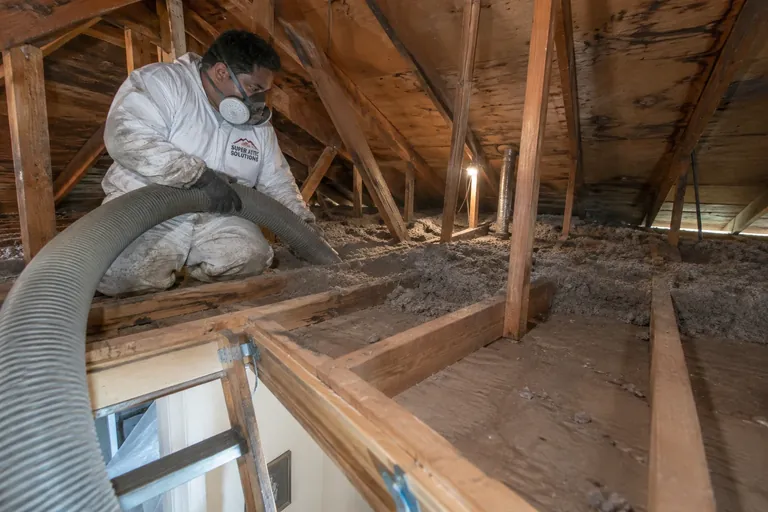
Vacuum removal of old, wet or contaminated attic insulation, bagged outside and hauled away.
Learn more →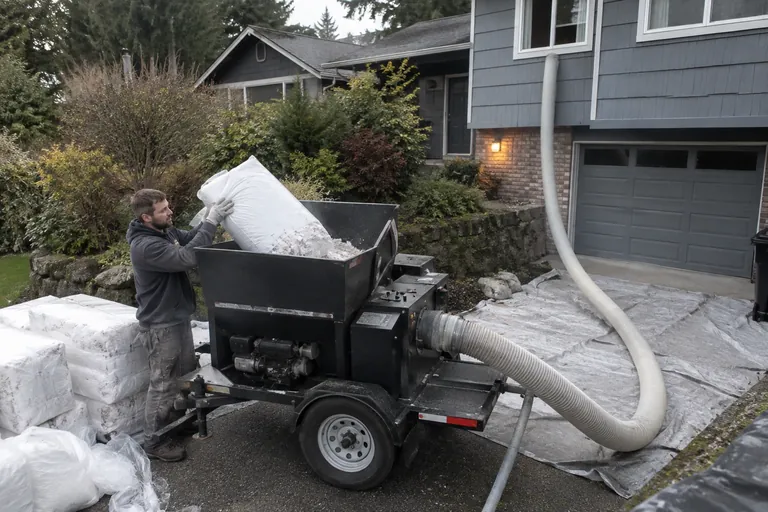
Fiberglass or cellulose loose fill blown to an even depth across the attic floor, corners included.
Learn more →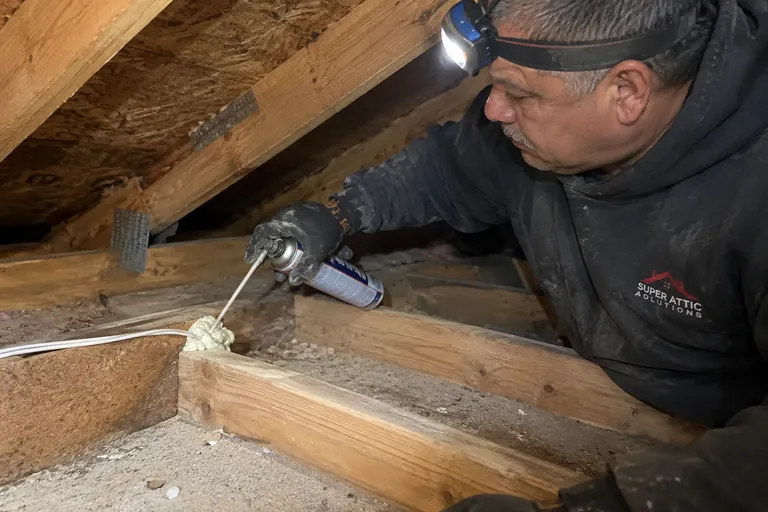
Sealing top plates, can lights, bath fans and chases from the attic side before new insulation goes in.
Learn more →Book a free inspection. We'll photograph your attic and crawl space and walk you through what we find, before you decide anything.