
Insulation
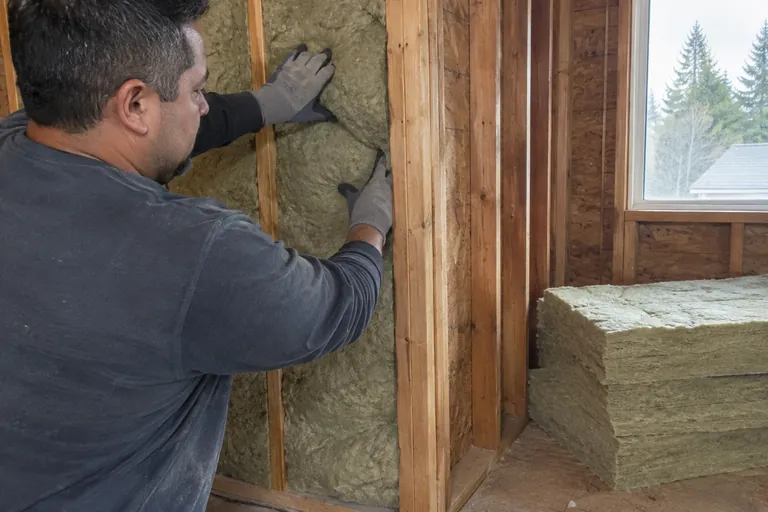
Rockwool insulation installation
Firm, fire-resistant mineral wool batts for walls, floors and spots near heat or moisture.
Learn more →Soundproofing insulation · Seattle & Puget Sound
Hollow walls and floors carry sound from room to room. Dense mineral wool in those cavities, plus sealed gaps, cuts a lot of it. We'll also tell you honestly what insulation alone can't do.
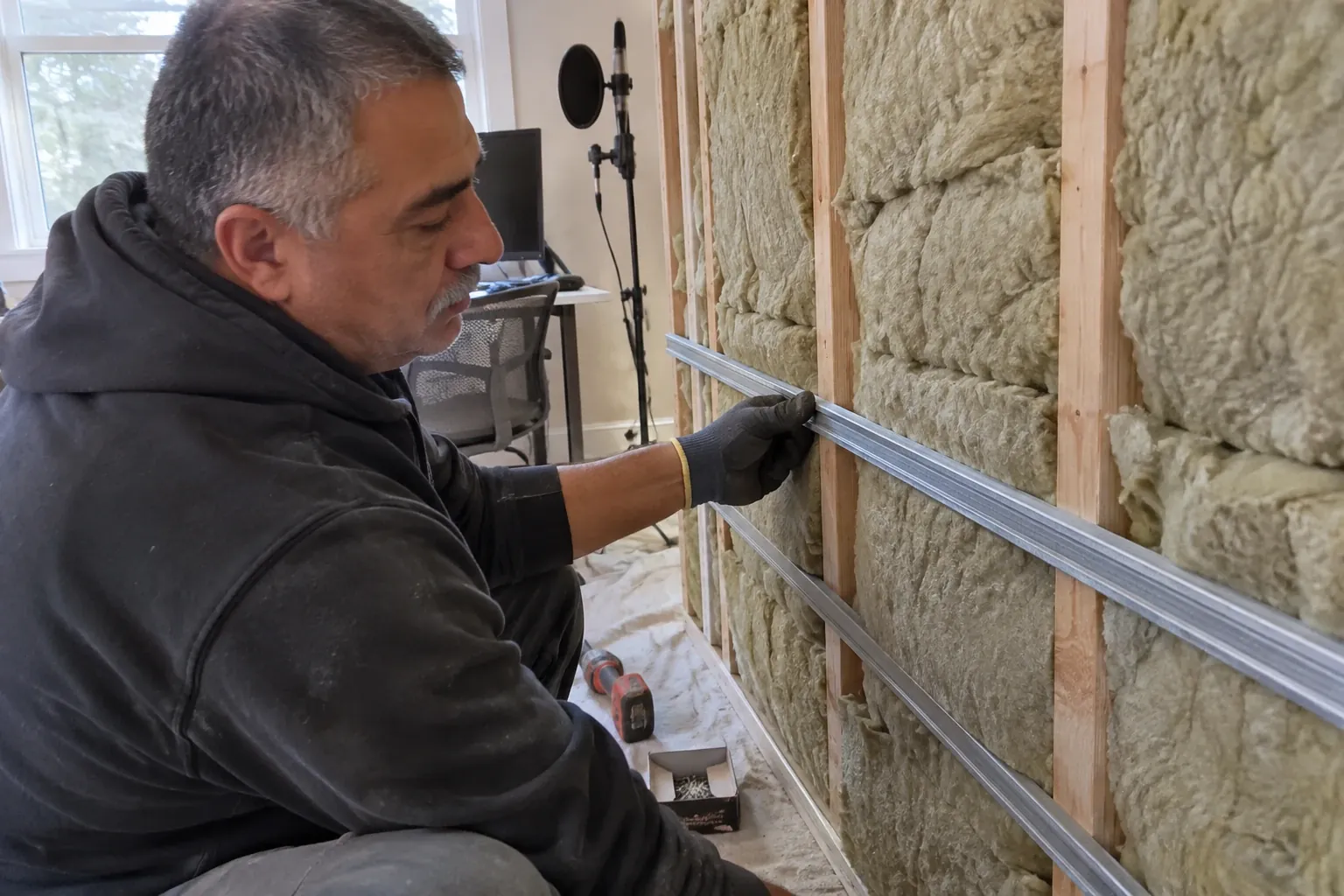 Mineral wool soundproofing insulation in a home office wall · Tukwila, WA
The problem
Most interior walls are two sheets of drywall on studs with nothing in between. That empty cavity works like a drum. Voices, TV audio and footsteps hit one side, the drywall vibrates, the air inside carries it across, and the other side passes it into the next room. Floors between levels do the same thing. The joist bays above a kitchen or living room are usually empty, so every footstep upstairs comes straight through the ceiling.
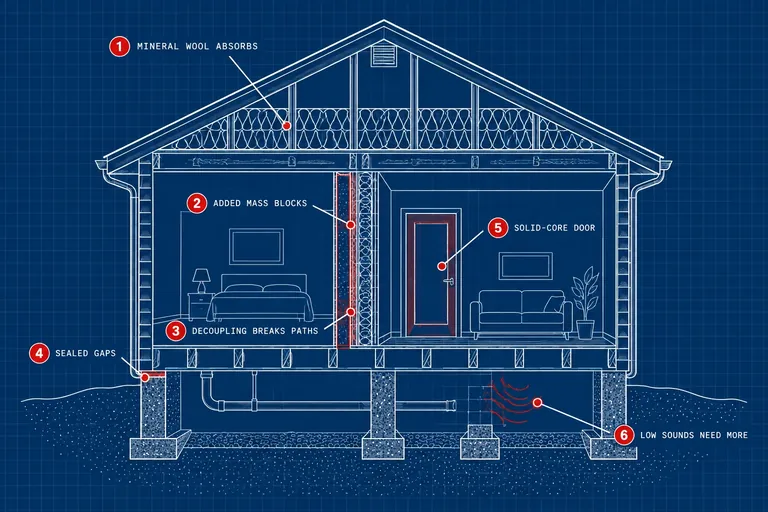
Filling those cavities with dense insulation absorbs a good share of the sound bouncing around inside, so less of it reaches the other side. It's one of the most cost-effective first steps toward a quieter room. It's also only one of the steps. Real soundproofing combines absorption with added mass, decoupling the two sides of the wall and sealing every gap. We're upfront about which of those your room needs.
Warning signs
These are the spaces people most often ask us to quiet down.
Video calls next to a kitchen, a playroom or a busy hallway. Insulated walls keep household noise out and your calls in.
Movie audio and practice sessions carry through hollow walls. Mineral wool cuts the mid and high tones that travel most.
Traffic from arterials and highways comes through exterior walls, windows and the attic. Insulation helps where the walls are open.
Footsteps, voices and the TV below come through empty joist bays. Insulation between the joists softens the airborne part.
Plumbing noise and fan hum through a shared wall is a common complaint. Insulating that wall during a remodel helps.
Living space over a garage, workshop or rental unit benefits from insulated floors and walls between the two uses.
Proof of work
Drag the slider to compare. Illustrations of typical results on homes like yours.
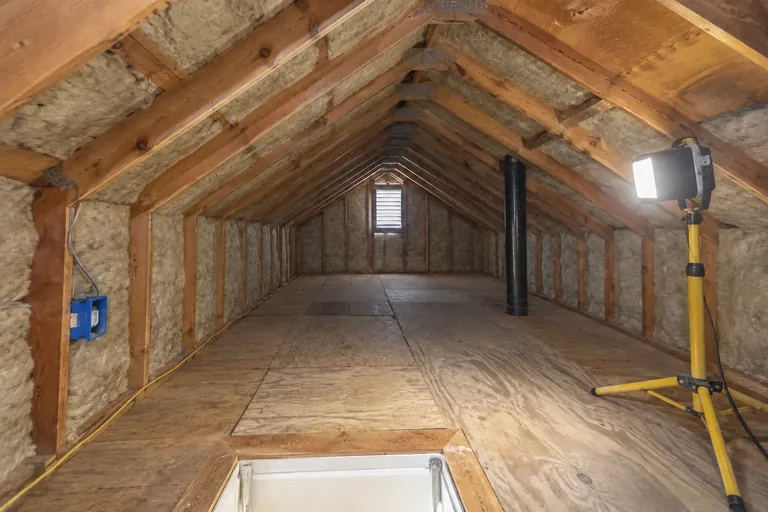
 BeforeAfter
How we do it
We start by finding where the sound actually comes through.
We look at the room, the walls and the floors around it, and where the noise is coming from. Is it voices through a shared wall, footsteps from above, or traffic from outside? Sound takes the easiest path, which is often a gap, a door, a duct or a window rather than the wall itself.
We explain what insulation will do in your room and what it won't. If the noise is mostly coming under a hollow-core door or through a shared duct, we say so. If you want more than insulation, we explain what added mass, decoupling and sealing would mean for that wall and how we can plan it.
Insulation has to get inside the wall or floor. The cleanest time is during a remodel or when drywall is already off. Floors between levels are reached from the ceiling below. We plan this with you so the work happens in the order that makes sense for your house.
We fit dense mineral wool batts into every bay, cut snug to the studs or joists and notched around boxes and pipes so there are no open pockets. Gaps undo much of the benefit, so each bay is filled edge to edge at full thickness rather than squeezed or left loose.
Sound moves through any air gap. We seal around top and bottom plates, pipe and wire penetrations and electrical boxes with sealant before the wall closes. We photograph the filled cavities so you have a record of what's behind the drywall once it goes back up.
What you get
| Main material | Mineral wool (rockwool) batts |
|---|---|
| Typical areas | Interior walls, floors between levels, ceilings, attic floors |
| Rooms | Home offices, media rooms, bedrooms, bathrooms, ADUs |
| Fitting | Friction-fit, edge to edge, notched around boxes and pipes |
| Gap sealing | Plates, penetrations and electrical boxes sealed |
| Access | Best during remodels or with drywall open |
| Beyond insulation | Mass, decoupling and door upgrades explained and planned |
| Photos | Filled cavities photographed before drywall goes back |
Compare
Insulation is the first layer of soundproofing. Here's what the rest adds.
| Factor | Mineral wool in the cavity | Full sound assembly |
|---|---|---|
| What it includes | Dense insulation filling the wall or floor | Insulation plus added mass, decoupling and sealed gaps |
| Voices and TV | Noticeably reduced | Reduced further |
| Bass and footstep thuds | Some improvement | Better; low sounds need mass and decoupling |
| Disruption | Low during a remodel or with walls open | More: added drywall layers and framing changes |
| Best for | Most offices, bedrooms and bathroom walls | Media rooms, music spaces and shared walls |
Puget Sound homes
Plenty of homes in the region sit close to steady noise. Houses along I-5, I-405 and SR 520, near Aurora Avenue or the busy arterials of Bellevue and Lynnwood, hear traffic all day. Neighborhoods in Burien, Des Moines, Normandy Park and SeaTac sit under the flight paths. In those homes, outside noise comes through the attic and exterior walls as well as the windows. A deep attic layer and insulated walls take some of the edge off, though windows and gaps usually matter just as much.
Inside, the biggest change has been the home office. More people work from bedrooms, dens and converted garages in Seattle and on the Eastside, often next to a kitchen or a kids' room. Newer townhomes and many 1970s through 1990s houses have thin interior walls with empty cavities. When you're already remodeling, adding an ADU or opening walls for other work, filling those walls with mineral wool is a small add that makes a noticeable difference, and it's far easier than opening the same walls again later.
Pricing
Soundproofing jobs vary more than most. These factors decide the scope.
How many walls, ceilings or floor sections we're filling, and their size.
Open walls during a remodel are quick. Opening finished walls or ceilings adds work and patching.
Mineral wool alone, or combined with added drywall, decoupling and door changes.
The number of outlets, pipes, ducts and openings that need sealing.
Attic or crawl space insulation done at the same time can share setup and help with outside noise.
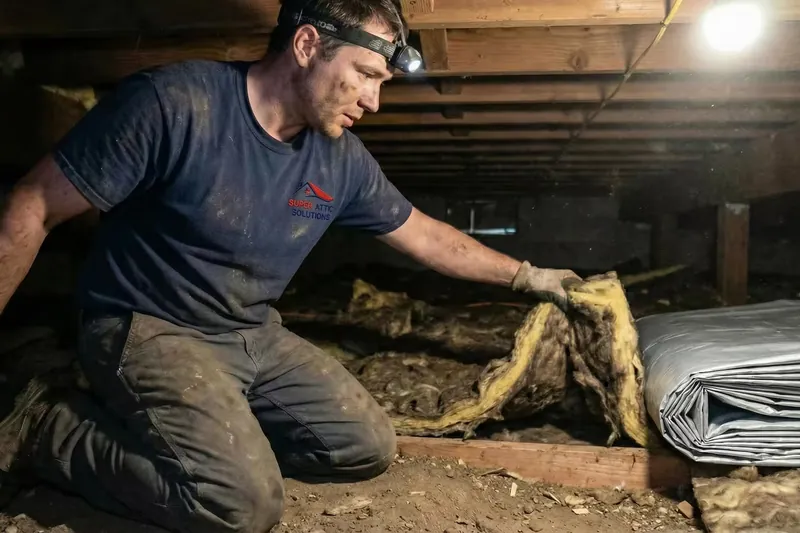
We had rodent problem in our house. Also our house had bare minimum insulation in some places. Isaac was very helpful, he also took some photos of the attic and crawl space. They gave me a reasonable quote for rodent proofing and insulation. Their crew was on time and finished the job in two days. Really appreciate their hard work.
FAQ
Still unsure? Call (800) 674-4933 and talk it through with us.
It reduces sound, but on its own it doesn't make a room soundproof. Dense insulation absorbs sound inside the wall cavity, which cuts voices and TV noise noticeably. Blocking more sound, especially bass and footsteps, also takes added mass, decoupling the two sides of the wall and sealing every gap.
Mineral wool, also called rockwool, is our usual choice. It's denser than standard fiberglass, which helps it absorb more sound, and it fits firmly in the cavity without sagging. It's also non-combustible. Fiberglass batts help too, just not as much for the same wall thickness.
Usually the cavity has to be opened on one side to fit batts properly, which is why remodels are the best time. For floors between levels, we work from the ceiling below. We'll look at your room and tell you honestly what access it needs and whether the result is worth the work.
We don't promise specific numbers, because the result depends on the wall, the door, the gaps and the kind of noise. What we can say: filling hollow walls with mineral wool and sealing gaps makes voices and TV noticeably quieter. Low-frequency sound like bass and traffic rumble needs more than insulation.
It can help. A deep attic layer absorbs some of the noise coming through the roof, like aircraft overhead, heavy rain on the roof or traffic sound. Windows, doors and gaps in exterior walls often let in more, so we look at the whole room before telling you what to expect.
Insulation and gap sealing are the core of what we do. For rooms that need more, like added drywall layers, decoupled framing or door changes, we explain the options plainly and can plan that wall work through our home remodeling services, so it happens alongside the insulation.
Related services
Firm, fire-resistant mineral wool batts for walls, floors and spots near heat or moisture.
Learn more →
Fiberglass and mineral wool batts for crawl space floors, knee walls and open walls, fitted bay by bay.
Learn more →
Sealing top plates, can lights, bath fans and chases from the attic side before new insulation goes in.
Learn more →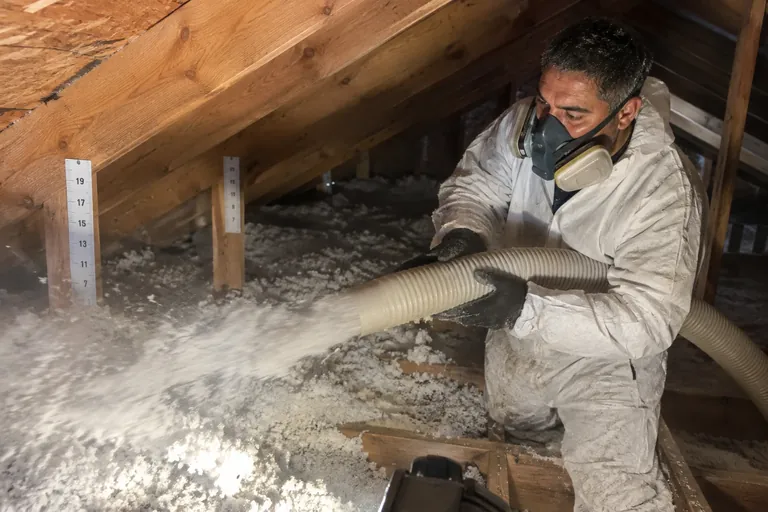
How much insulation your attic needs, which material fits, and what it takes to get there.
Learn more →Book a free inspection. We'll photograph your attic and crawl space and walk you through what we find, before you decide anything.