
Attic services
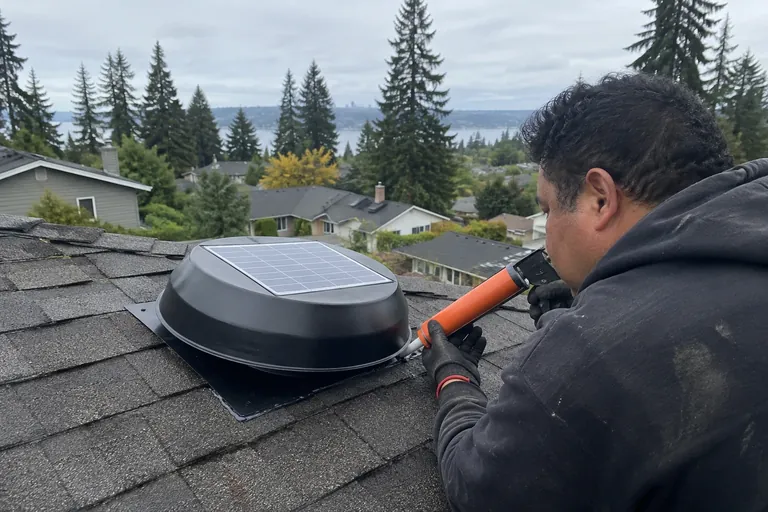
Solar attic fan installation
Solar-powered attic exhaust fans with no wiring, placed for sun and paired with a sealed ceiling.
Learn more →Attic fan installation · Seattle & Puget Sound
A powered attic fan pushes hot, damp air out of the attic. It only works if the attic has enough intake and the ceiling is sealed. We check both before we cut a hole in your roof.
 Installing a gable attic fan · Seattle, WA
The problem
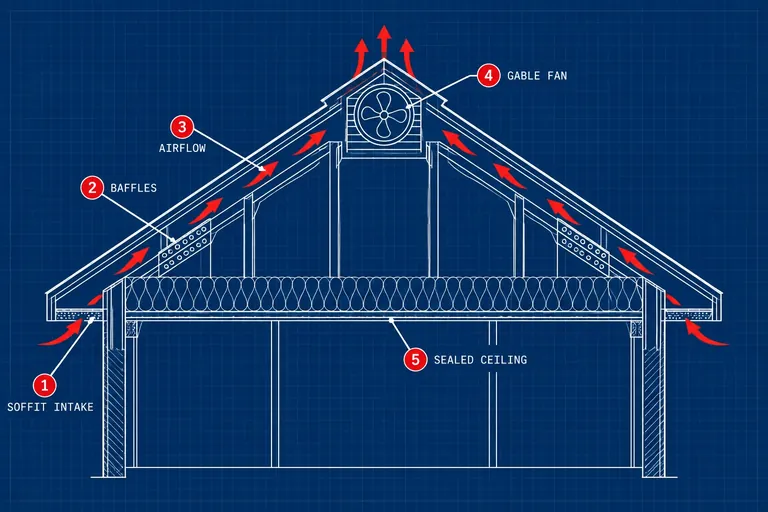
Attic ventilation is a loop. Cool outside air comes in low, through the soffit vents under the eaves, and hot air leaves high, through roof vents, gable vents or a ridge vent. When that loop works, the attic stays closer to outdoor temperature and moisture has a way out. A powered attic fan speeds up the exhaust side. A thermostat turns it on when the attic gets hot, and a humidistat can run it when the air is damp.
A fan is not always the right answer. It has to pull replacement air from somewhere. If the soffit vents are blocked or too few, the fan pulls air up from the house instead: through gaps around ceiling lights, bath fans, top plates and the attic hatch. That is air you paid to heat or cool. It can even draw fumes from gas appliances. So we look at intake, air sealing and the existing vents first, and sometimes the better fix is not a fan.
Warning signs
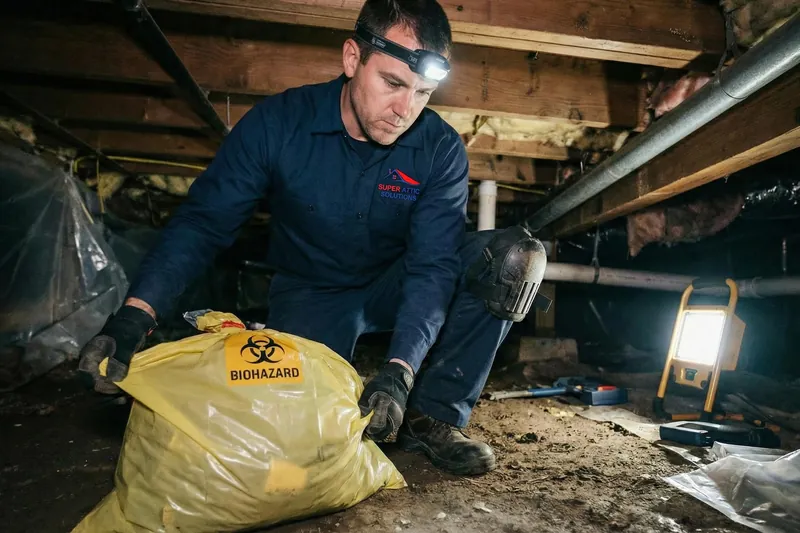
Some of these point to a fan. Others point to sealing or more intake. The inspection tells us which.
Stepping into the attic on a sunny afternoon feels like opening an oven, and the rooms below stay warm into the night.
Frost on nail tips or dark, damp patches on the roof deck mean moist air is collecting in the attic.
Insulation is packed against the eaves, or the soffits were painted over or never vented at all.
Stale, damp air that lingers points to weak airflow or moisture coming up from the house.
The existing roof fan is noisy, seized or never turns on, and the thermostat may have failed.
Curling or brittle shingles on a roof that is not that old can be a sign of trapped attic heat.
Proof of work
Drag the slider to compare. Illustrations of typical results on homes like yours.
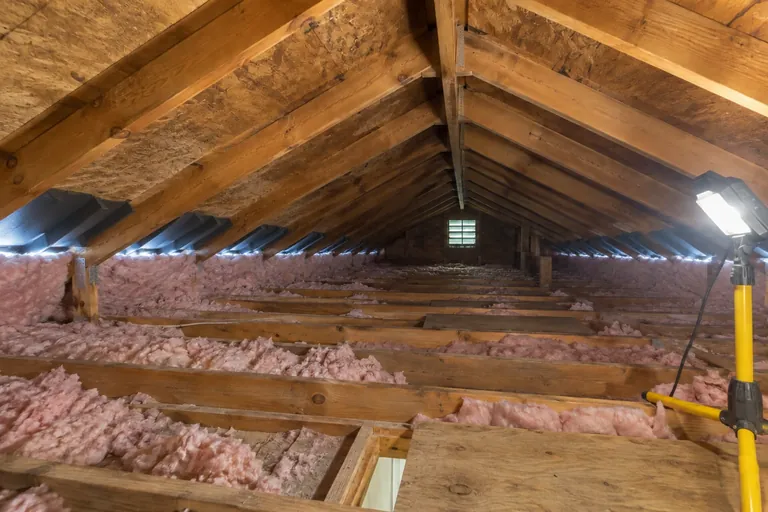
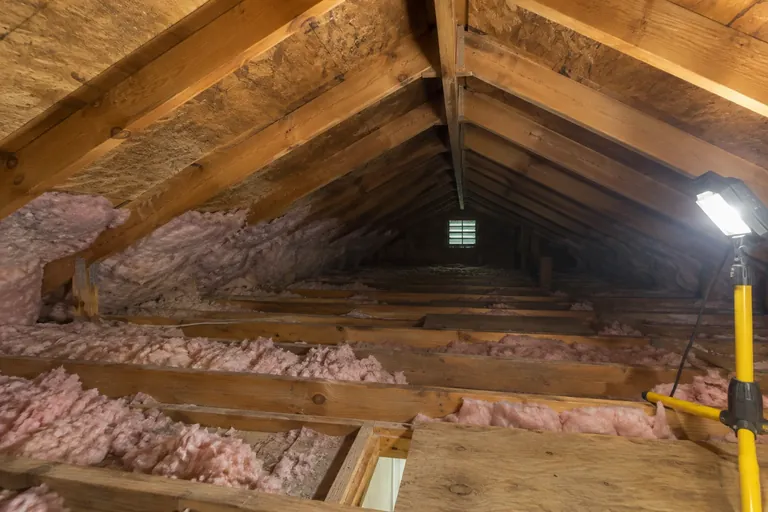 BeforeAfter
How we do it
Most of the work happens before the fan goes in. That is what makes it work.
We count and measure the soffit vents, roof vents, gable vents and ridge vent, and look for intake blocked by insulation. We also check where gas appliances vent and whether any are in the attic. That tells us whether the attic needs more exhaust, more intake or neither.
We look for air leaks from the house: gaps around can lights, bath fans, plumbing stacks, top plates and the hatch. Those get sealed before a fan goes in, so the fan pulls fresh air from the soffits instead of warm, conditioned air from your rooms.
We install baffles at the eaves to hold insulation back from the soffit vents and add soffit vents where there are not enough. Balanced intake is what lets a fan run without depressurizing the attic and pulling air through the ceiling.
We size the fan to the attic and place it on the roof near the ridge or in a gable wall, away from a ridge vent that would let it short-circuit. You choose thermostat control, or thermostat plus humidistat for the damp months.
We cut the opening, flash the fan into the roofing or gable so it sheds water, connect the controls and set them. Then we run the fan and check that it pulls air in from the soffits. You get photos of the installation and the settings.
What you get
| Fan types | Roof-mounted or gable-mounted powered attic fans |
|---|---|
| Controls | Adjustable thermostat; optional humidistat for damp months |
| Ventilation check | Soffit, roof, gable and ridge vents measured and inspected |
| Air sealing review | Ceiling leaks found and sealed before the fan goes in |
| Intake | Baffles at the eaves; added soffit vents where needed |
| Roofing | Fan flashed into the roof or gable so it sheds water |
| Testing | Airflow checked from the soffits; controls set and explained |
| Estimate | Free inspection and an honest call on whether a fan is right |
Compare
Most attics can ventilate well without a fan. A fan helps in specific situations.
| Factor | Powered attic fan | Passive soffit and ridge vents |
|---|---|---|
| How it moves air | Motor pulls air out on demand | Natural rise of warm air and wind |
| Moving parts | Motor and thermostat that need occasional service | None |
| Risk if ceiling leaks | Can pull conditioned air from the house | Low |
| Works with a ridge vent | Usually not; the fan can short-circuit through the ridge | Yes, ridge vent is the exhaust |
| Best for | Hot attics where roof shape limits passive exhaust | Most attics with enough intake and exhaust |
Puget Sound homes
Moisture is the bigger ventilation problem here than heat. From October to May, warm, humid air from showers, cooking and breathing rises into the attic through every gap in the ceiling and condenses on the cold roof deck. On many Seattle-area homes we find black stains on north-facing sheathing and frost on nail tips in January. A fan does not fix that, and it can make it worse by pulling more house air up. Sealing the ceiling and opening up the soffit vents does fix it, and that is where we start.
Heat is a growing problem too. Recent summer heat waves have made top-floor rooms in Seattle, Kirkland, Bellevue and Tacoma uncomfortable for days, and attics under dark composition roofs get very hot. In a sealed attic with good intake, a thermostat-controlled fan helps clear that heat on hot afternoons and takes some load off upstairs cooling. Many older homes and Eastside homes from the 1970s through the 1990s were built with too few soffit vents, so we often add intake in the same visit.

Pricing
We quote attic fan jobs after seeing the attic and the roof.
Roof fans need a roof cut and flashing; gable fans go into an existing wall vent opening.
Whether power is already available near the fan, and adding a humidistat, both change the amount of work.
A leaky ceiling has to be sealed first, and the amount of sealing varies a lot by house.
Adding baffles or new soffit vents adds material and time but makes the fan work.
Composition shingles, cedar shakes and metal roofs each flash differently.
Daniel was thorough, professional, and quick to respond to all my questions. He crawled into a hard to reach places in my attic to make sure all my needs were met. I appreciate how quickly the Super Attic team completed the job and now my attic, crawl space and garage look infinitely better.
FAQ
Still unsure? Call (800) 674-4933 and talk it through with us.
Many homes do not. If your attic has enough soffit intake and a ridge vent or roof vents, it may ventilate fine on its own. A fan helps when the attic overheats in summer and the roof shape limits passive exhaust. We check the vents and the ceiling first, and we will tell you if a fan would not help.
Yes, if the ceiling is not sealed or intake is too small. The fan pulls air from the easiest path, which may be your living space through gaps around lights and bath fans. That wastes heating and cooling, and in homes with gas appliances it can pull exhaust fumes back into the house. Sealing and intake come first.
A thermostat-only fan will not run in winter because the attic stays cool. A humidistat can switch it on when the attic is damp, but winter moisture here mostly comes from house air leaking in. Sealing those leaks does more than running a fan, and running the fan with a leaky ceiling can pull in even more moist air.
Usually not together. A powered fan near a ridge vent pulls air in through the ridge instead of the soffits, so the rest of the attic gets little airflow. If you have a ridge vent, the better fix is often more soffit intake. If you want a fan, we may recommend closing the nearby ridge section.
An attic fan only ventilates the attic. It pulls outdoor air in through the soffits and pushes it out the roof. A whole-house fan is mounted in the ceiling and pulls cool evening air through open windows into the house, then pushes it up into the attic. They are different systems for different goals.
It depends on the fan, how often it runs and the climate. Motors and thermostats wear over time and can be replaced without replacing the whole unit in many cases. If your current fan is noisy or not turning on, the thermostat is often the first thing to check.
Related services
Solar-powered attic exhaust fans with no wiring, placed for sun and paired with a sealed ceiling.
Learn more →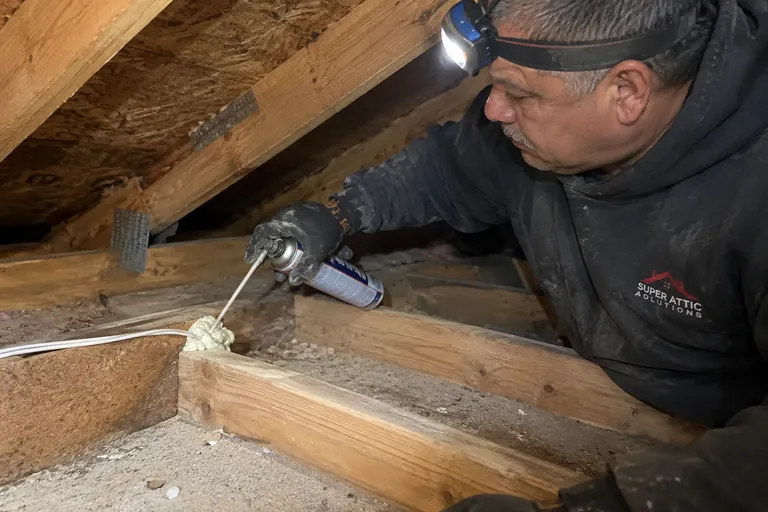
Sealing top plates, can lights, bath fans and chases from the attic side before new insulation goes in.
Learn more →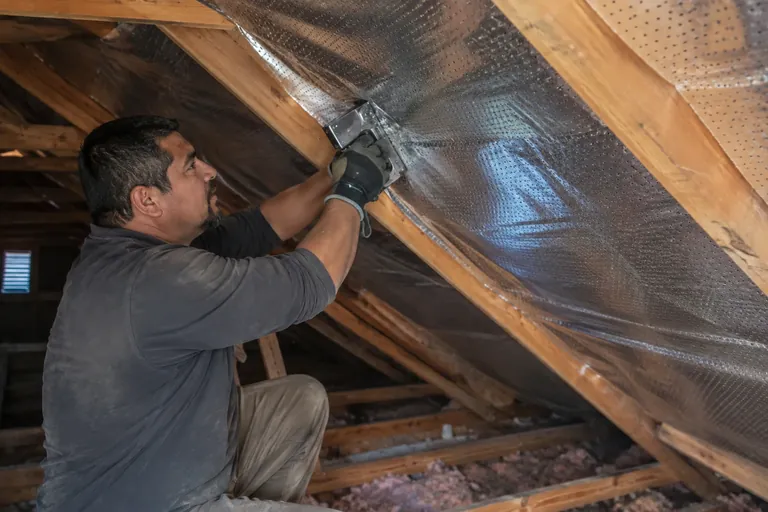
Reflective foil under the roof deck to cut summer heat in top-floor rooms, installed with an air gap.
Learn more →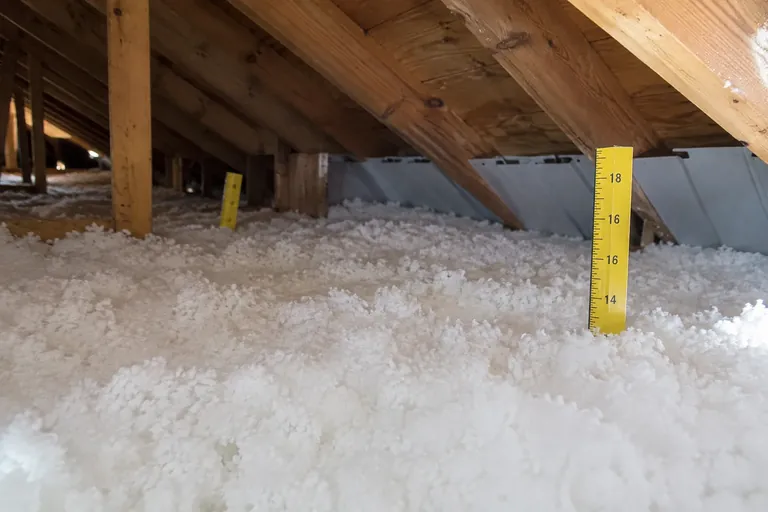
The install itself: air sealing, eave baffles, flue clearances and an even layer to the planned depth.
Learn more →Book a free inspection. We'll photograph your attic and crawl space and walk you through what we find, before you decide anything.