
Attic services
Attic cleaning and reconditioning
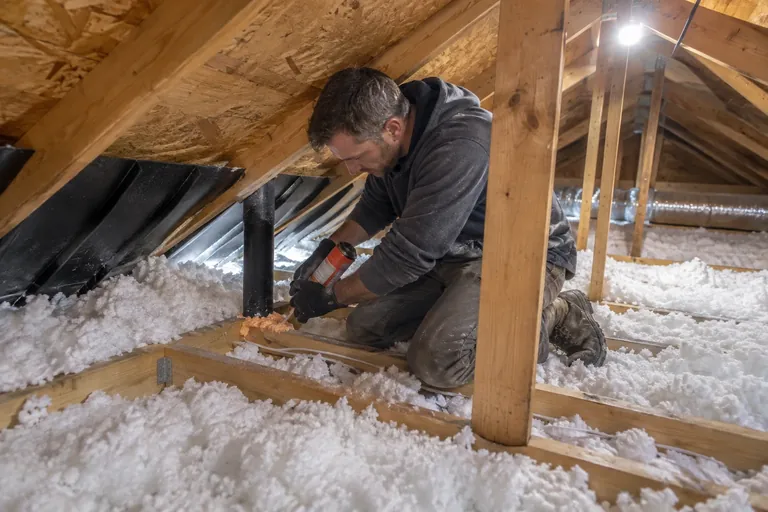
The full attic restore: cleanout, sanitizing, entry and air sealing, and new insulation in one project.
Learn more →Attic cleaning · Seattle & Puget Sound
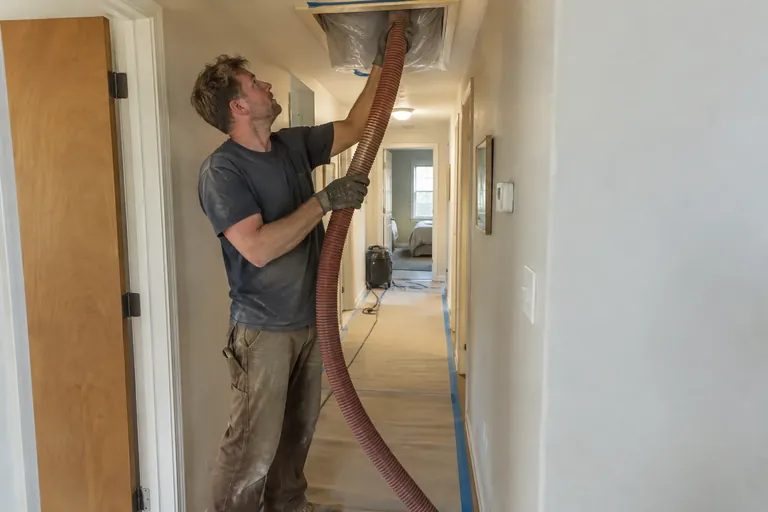
We vacuum out droppings, nesting, debris and soiled insulation, bag it at the hatch and haul it away. You get a clean attic and photos of what came out.
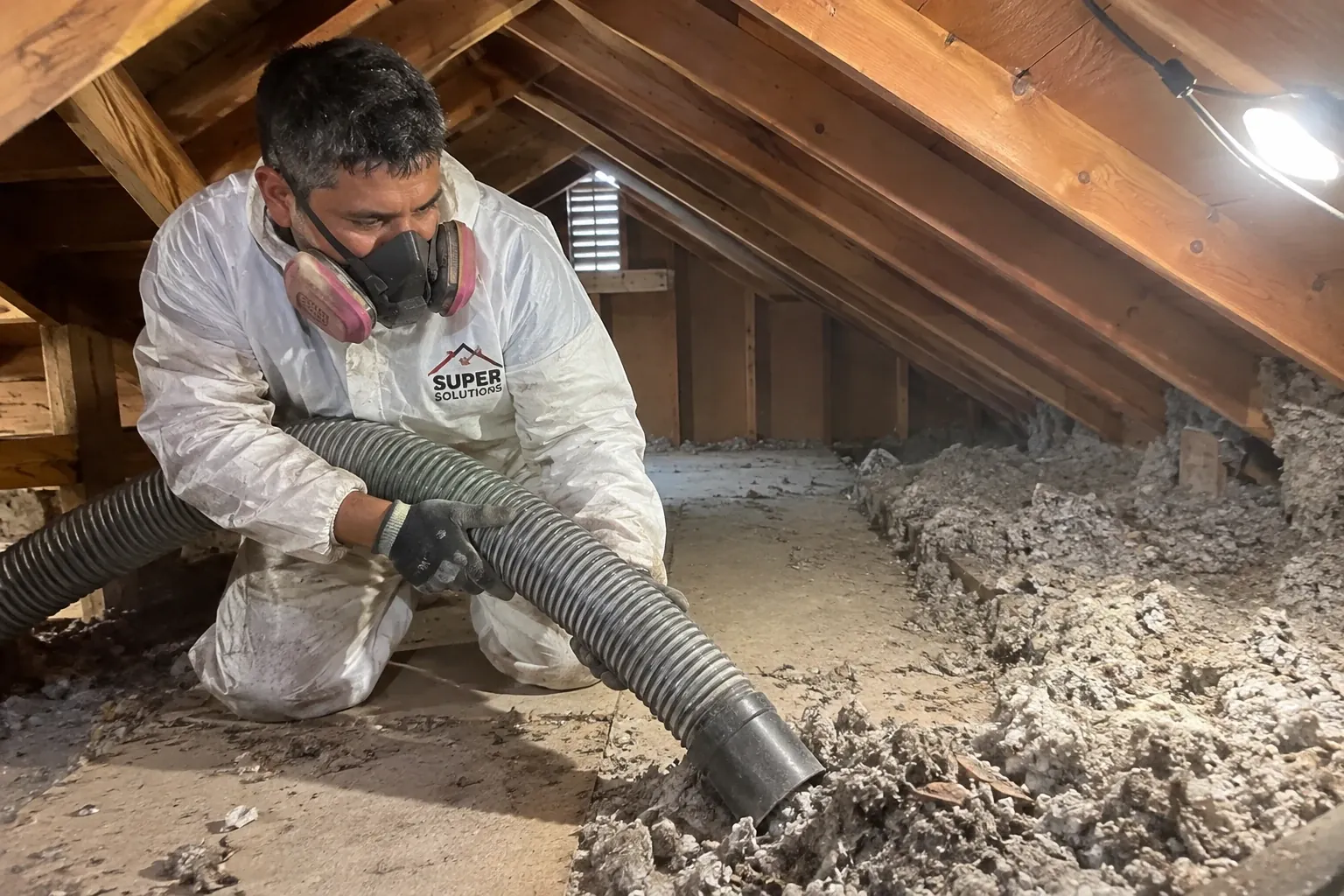 Vacuuming contaminated insulation and debris out of an attic · Seattle, WA
The problem
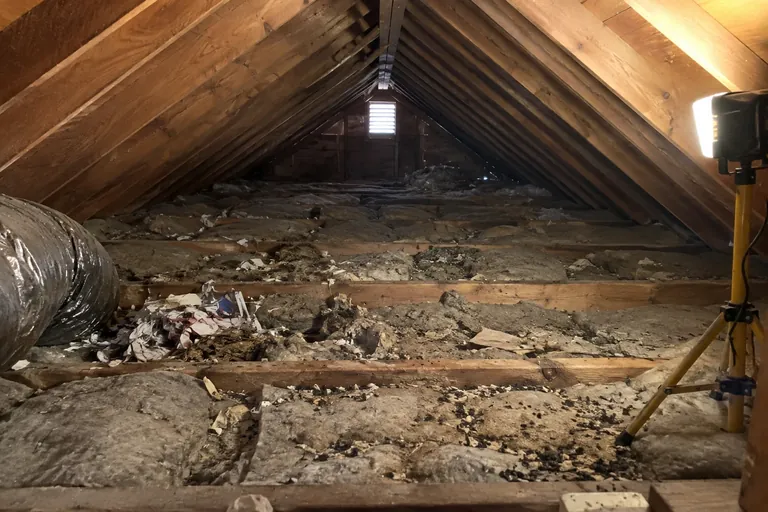
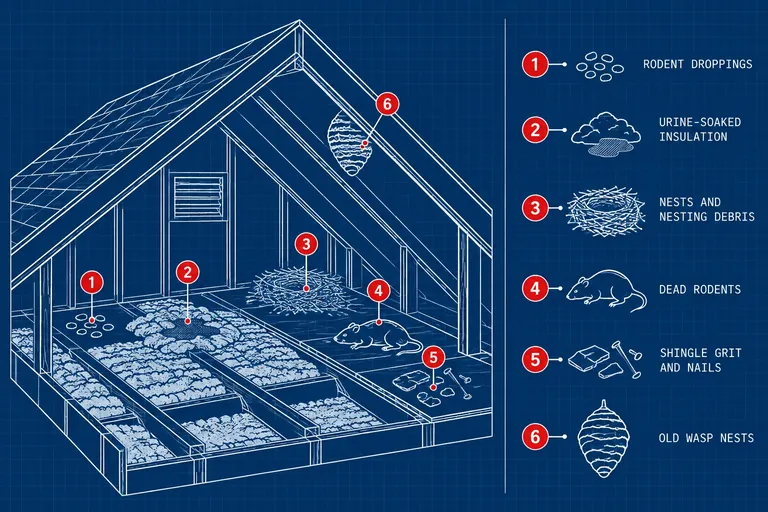
Most attics get opened once, when the house is built, and then forgotten. Over the years they collect a lot. Rats and mice leave droppings and urine across the top of the insulation. They tunnel through it and drag it into nests near the eaves. Roofers leave shingle grit, nails and wrappers. Wasps build in the gables. Insulation that has been flattened, tunneled or soaked no longer holds heat the way it should, and the smell eventually finds its way down through the ceiling.
Attic cleaning is the removal job. We take out what does not belong: droppings, nesting, dead rodents, debris and any insulation that is soiled past saving. If you also want the attic sanitized, sealed and re-insulated in one project, that is our attic cleaning and reconditioning package. If the main problem is odor and contamination after animals, see attic decontamination. Most people start here, with a free inspection and photos of what is up there.
Warning signs
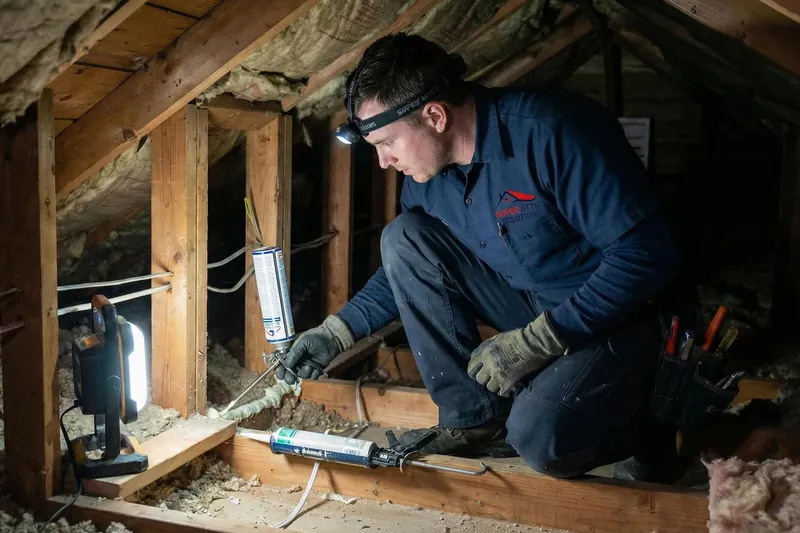
You rarely see the problem directly. You notice it from below, or you find it the one time you climb up.
Dark pellets scattered across the top of the insulation or along the top plates mean rodents have been living up there, not just passing through.
An ammonia smell near ceiling lights or the hatch usually comes from urine-soaked insulation. It gets stronger on warm days.
Runways pressed into blown-in insulation and bare spots where it has been pushed aside show heavy traffic and lost coverage.
Shredded insulation, paper and plant material packed into the low corners of the attic are rodent nests, often near the entry point.
Shingle grit, nails, scrap lumber and old wrappers left from a reroof or remodel sit on the insulation and compress it.
A buyer's or seller's home inspection noted rodent activity or damaged insulation, and you need it cleaned up before closing.
Proof of work
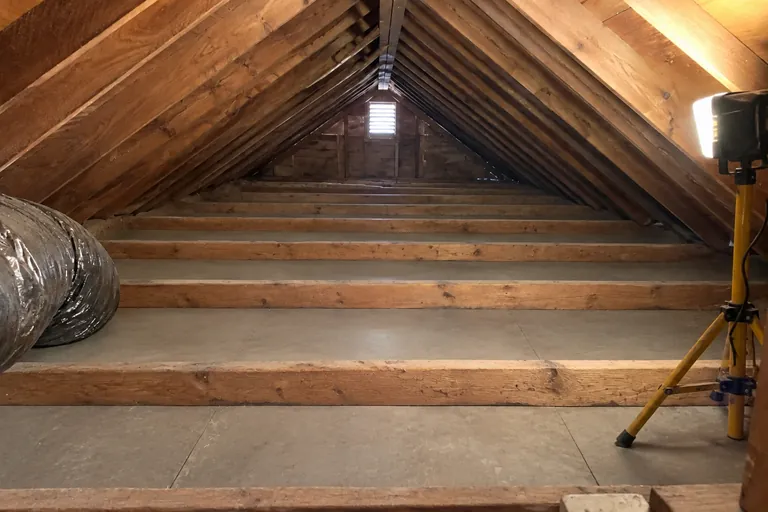
Drag the slider to compare. Illustrations of typical results on homes like yours.
 BeforeAfter
 STEP 01
 STEP 02
 STEP 03
 STEP 04
How we do it
A clean job inside the attic should leave no trace in the rest of your house. Here is what happens on the day.
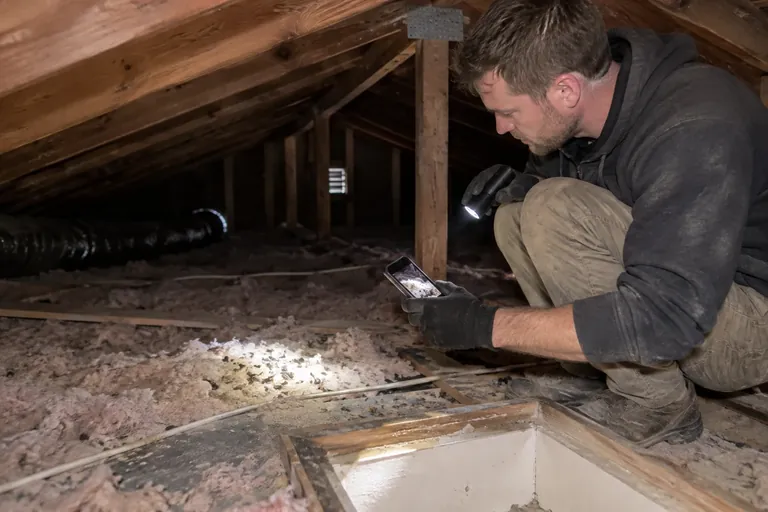
A technician goes up, looks at every bay and takes photos of the droppings, nesting, damaged insulation and any entry points. We show you the photos on site, explain what needs to come out and what can stay, and give you a written estimate before any work starts.
We lay runners from the door to the attic access and cover nearby floors and furniture. The hatch opening is masked so dust stays in the attic. Our crew wears respirators, disposable suits and gloves, and changes out of them before walking back through your home.
A commercial insulation vacuum pulls droppings, soiled insulation and nesting out through a hose into bags staged outside. We work bay by bay from the far end toward the hatch, so nobody has to walk back across a section that has already been cleaned.
Nails, scrap wood, wasp nests and dead rodents are removed by hand. We clear the top plates, the space around ceiling boxes and the corners at the eaves where the vacuum hose cannot reach well. Bags are sealed in the attic and carried out closed.
We photograph the cleaned attic and walk you through the before and after pictures. If we found open entry points, gaps around pipes or thin insulation, we tell you plainly and recommend what to do next. Sealing and re-insulating are quoted separately so you can decide.
What you get
| What we remove | Droppings, urine-soaked insulation, nests, dead rodents, construction debris |
|---|---|
| Equipment | Commercial insulation vacuum with bags staged outside the house |
| Interior protection | Runners from door to hatch, covered floors, masked attic opening |
| Crew protection | Respirators, disposable suits and gloves, changed before leaving the attic |
| Disposal | Sealed bags carried out and hauled away from your property |
| Photos | Before and after photos of the attic, shown to you on site |
| Quoted separately | Sanitizing, entry sealing, air sealing and new insulation |
| Estimate | Free inspection and written estimate before work starts |
Compare
Not every attic needs every bag of insulation pulled. The inspection tells us which one fits.
| Factor | Spot cleanup | Full removal |
|---|---|---|
| When it fits | Droppings in one area, insulation mostly dry and intact | Droppings spread widely, insulation soaked, matted or tunneled |
| What stays | Clean insulation outside the affected area | Nothing; the attic is taken down to the drywall and joists |
| Odor | Reduced near the cleaned area | Source removed with the insulation |
| Next step | Seal entries, top up thin spots | Seal entries, air seal, then re-insulate |
| Best for | Early catch after a short infestation | Long-term activity or a home sale |
Puget Sound homes
Roof rats are the main reason attics here need cleaning. They are climbers. They run along fences, power lines and the branches of cedars and laurel hedges, then slip in at roof vents, gaps behind gutters and the corners where soffits meet. When the rains start in fall, they move indoors and stay through spring. Norway rats tend to work up from the crawl space instead. Either way, a few months of nesting can spread droppings across most of an attic.
Older Seattle homes often have shallow attics with low roof pitches, which makes cleaning slow, tight work done on knees and elbows. Many Eastside homes built in the 1970s through the 1990s have blown-in fiberglass that rats tunnel through easily, so droppings end up buried as well as on the surface. In both cases the long wet season keeps attics damp, and damp insulation holds odor. We clean attics all over the region, from Everett and Lynnwood to Bellevue, Renton, Tacoma and Olympia.
Pricing
Every attic is quoted after an inspection. These are the things that move the number.
More square footage means more material to vacuum and more bags to carry out.
Deep blown-in insulation takes longer to remove than a single layer of batts.
A spot cleanup near one corner is a smaller job than droppings spread across the whole attic.
Low roof pitches, a hatch in a closet ceiling or tight framing slow the crew down.
Entry sealing, sanitizing and new insulation can be done in the same visit and quoted together.
Daniel was thorough, professional, and quick to respond to all my questions. He crawled into a hard to reach places in my attic to make sure all my needs were met. I appreciate how quickly the Super Attic team completed the job and now my attic, crawl space and garage look infinitely better.
FAQ
Still unsure? Call (800) 674-4933 and talk it through with us.
For a few droppings, yes, with care. Do not sweep or vacuum them dry, because rodent droppings can carry hantavirus and dust spreads it. Wet them with a disinfectant first, wear gloves and a respirator, and bag everything. Once droppings are spread across the insulation, the job is too big and too dusty to do safely with household tools.
Most single-family attics are cleaned in one visit. Large attics, deep insulation or very low headroom can stretch it into a second day. We tell you the expected schedule with the estimate so you can plan around it, and the crew keeps the work contained to the attic and the path to the hatch.
Only where it was removed. If we pull out all the insulation, the attic needs new insulation before the next heating season or your rooms below will lose heat. If we only spot-clean one area, we top up that section. We can quote re-insulation with the cleaning or later, whichever you prefer.
No. Cleaning removes what they left behind. If rodents are still active, we trap them and seal every entry point first, then clean. Cleaning before the house is sealed just gives the next rats fresh insulation to nest in. The inspection shows whether they are still there.
Usually not. The work stays in the attic, the hatch opening is masked and the vacuum bags are outside. You may hear the vacuum and footsteps overhead. If someone in the home has breathing problems, we can talk about scheduling the work for a day when they can be out.
Look for droppings on top of the insulation, yellow or brown stains, tunnels, and an ammonia smell near the hatch. If you would rather not go up, book a free inspection. Our technician takes photos of each area and shows you exactly what is contaminated and what is still in good shape.
Related services
The full attic restore: cleanout, sanitizing, entry and air sealing, and new insulation in one project.
Learn more →
Biohazard cleanup after rodents and animals: waste removed, framing disinfected, odor treated at the source.
Learn more →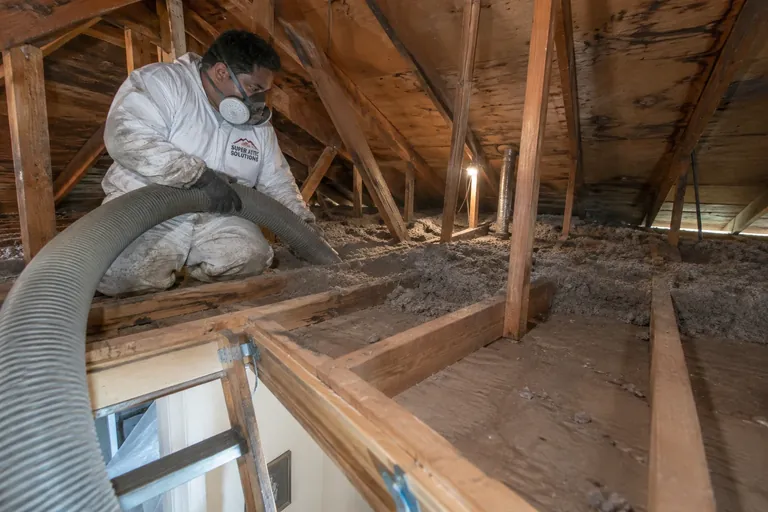
Vacuum removal of old, wet or contaminated attic insulation, bagged outside and hauled away.
Learn more →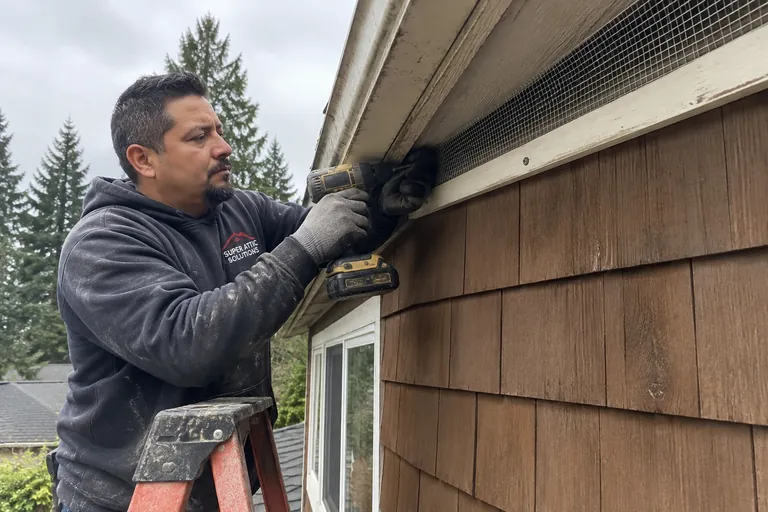
We find every gap rats and mice use, from roof vents to crawl space, and seal it with metal.
Learn more →Book a free inspection. We'll photograph your attic and crawl space and walk you through what we find, before you decide anything.