
Rodents & pests
Rodent removal services
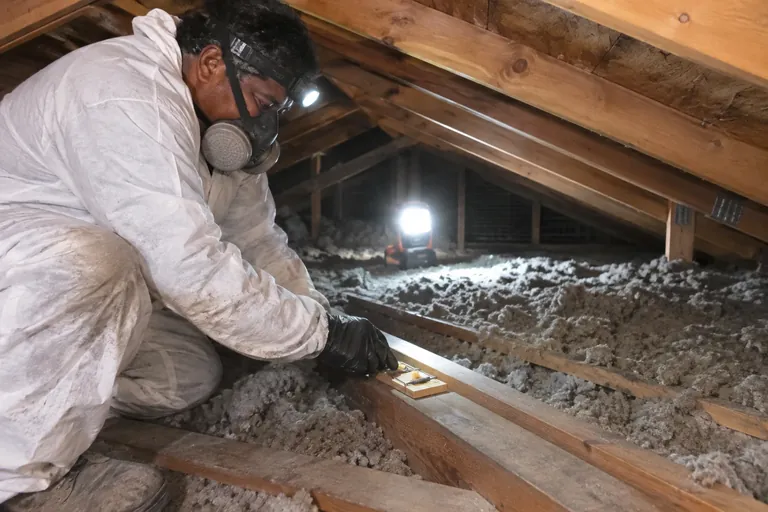
We trap the rats and mice living in your home, remove nests and droppings, then seal the way in.
Learn more →Rodent proofing · Seattle & Puget Sound
Trapping clears out the rodents you have. Sealing stops the next ones. We find every gap a rat or mouse can use, from the roof vents to the foundation, and close it with metal.
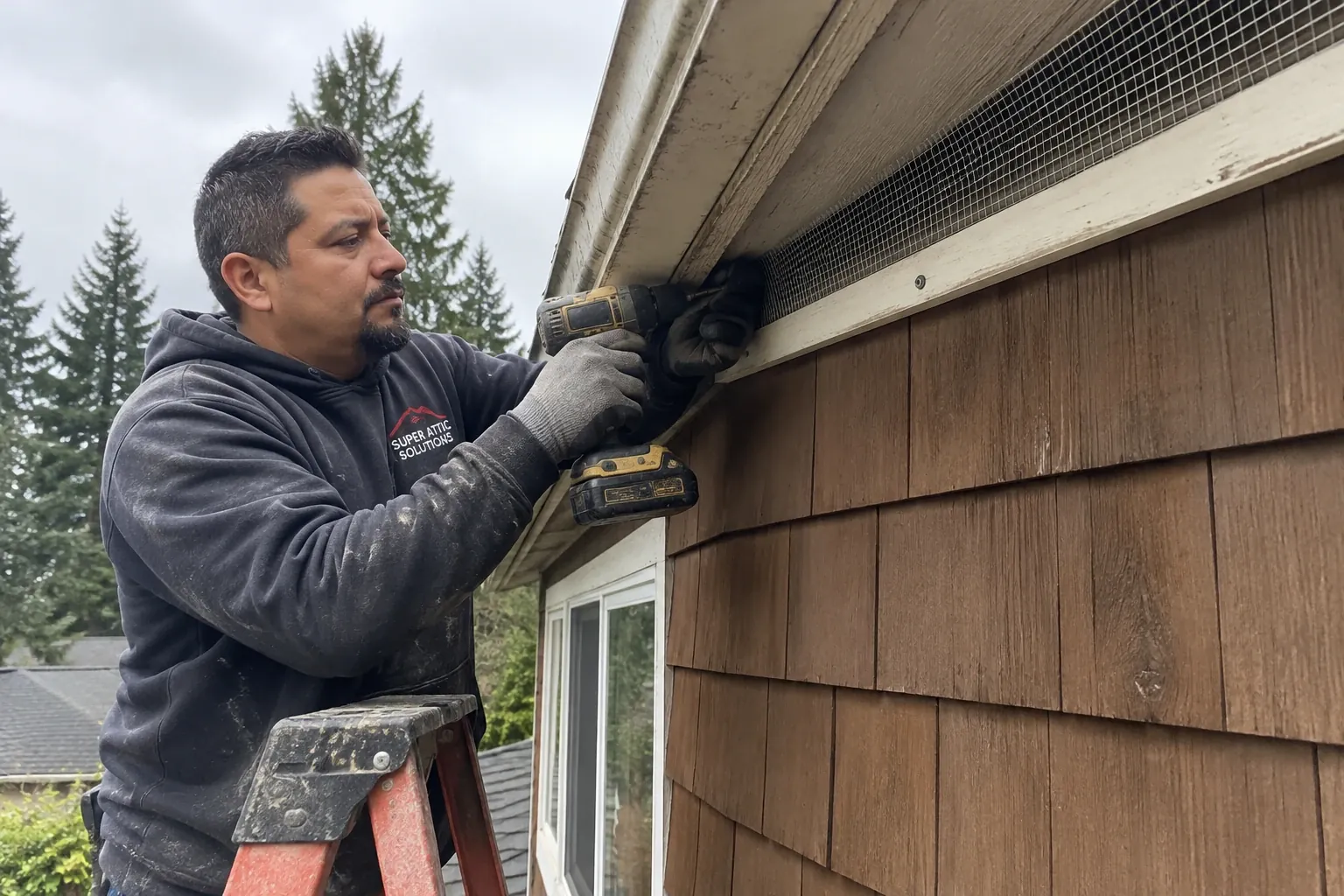 Sealing a rodent entry gap at the roofline with galvanized mesh · Edmonds, WA
The problem
A mouse can squeeze through a gap about the size of a dime. A rat needs a hole about the size of a quarter. Most houses have dozens of openings that size: a loose crawl space vent screen, the gap where a dryer vent leaves the wall, a corner of soffit that pulled away, the hole where the cable line comes through the siding. Rodents find these by smell and by feel, and they come back to the same ones night after night.
Rodent proofing, also called exclusion, means finding every one of those openings and closing it with material a rodent can't chew through. Spray foam alone doesn't count; rats chew right through it. We use metal mesh, hardware cloth and sheet metal sized to the gap, fastened so it stays put through a wet Puget Sound winter. Done well, it is the part of rodent work that keeps paying off for years.
Warning signs
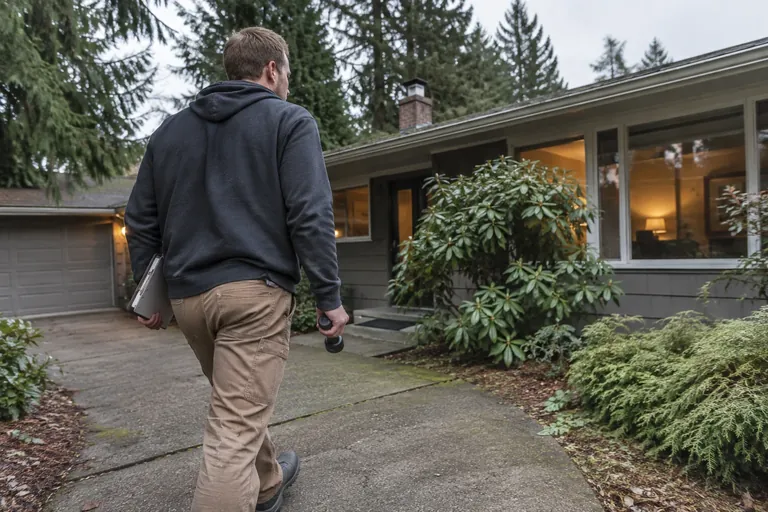
You don't need to see a rat to know a house needs sealing. These are the clues we look for from the yard and the attic hatch.
Traps catch a few, then a few more months later. That cycle means the entry points are still open. Trapping without sealing just resets the clock.
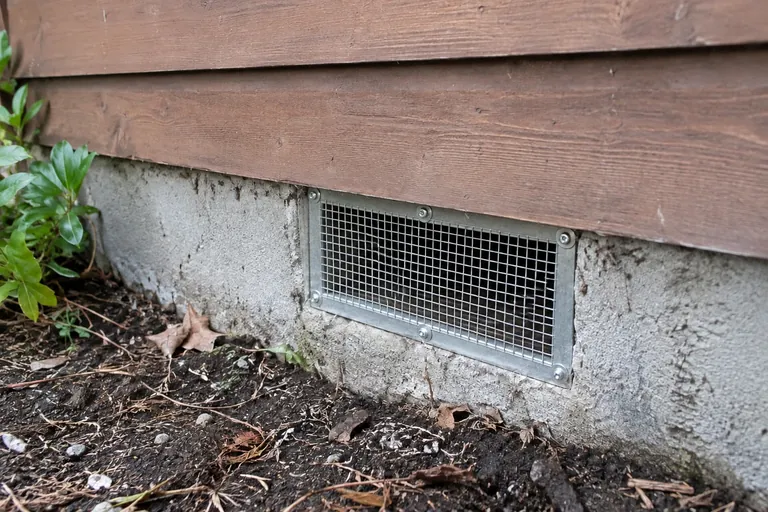
Crawl space and gable vents with rusted, bent or torn screens are a direct route inside. Older Seattle homes often still have the original screens.
Rats leave greasy dark smudges where they squeeze through the same spot again and again. Look low near the foundation and high near the eaves.
Hose bibs, AC lines, gas lines and cable entries often leave a ring of open space where they pass through the wall. Rodents follow them in.
Roof rats climb. Branches over the roof, ivy on the chimney or a fence that runs up to the eaves gives them a ladder to your attic vents.
Fresh chew marks on soffit corners, fascia or the edges of roof vents mean something is working to widen an opening it already uses.
Proof of work
Drag the slider to compare. Illustrations of typical results on homes like yours.
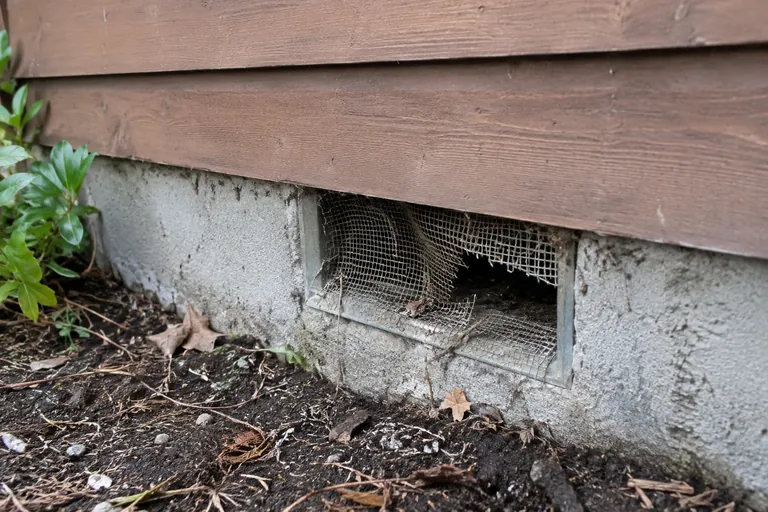 BeforeAfter
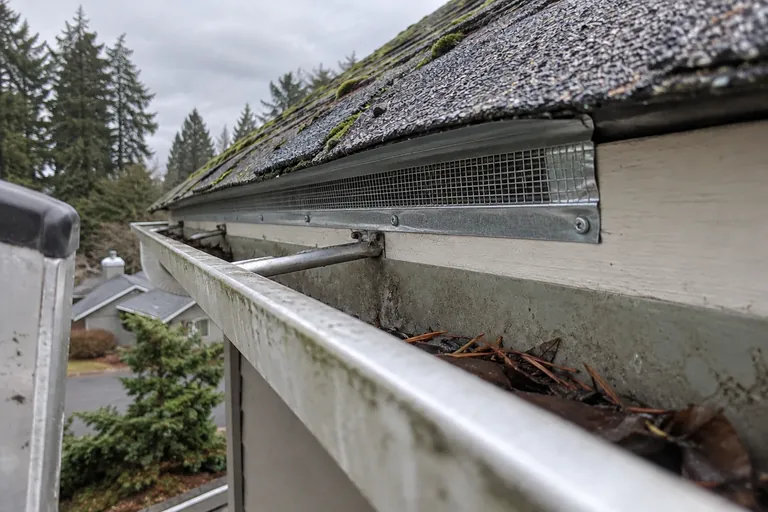
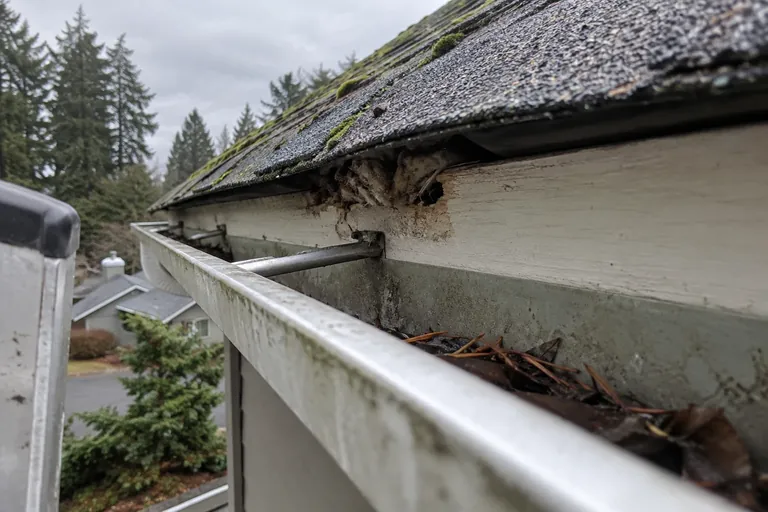 BeforeAfter
 STEP 01
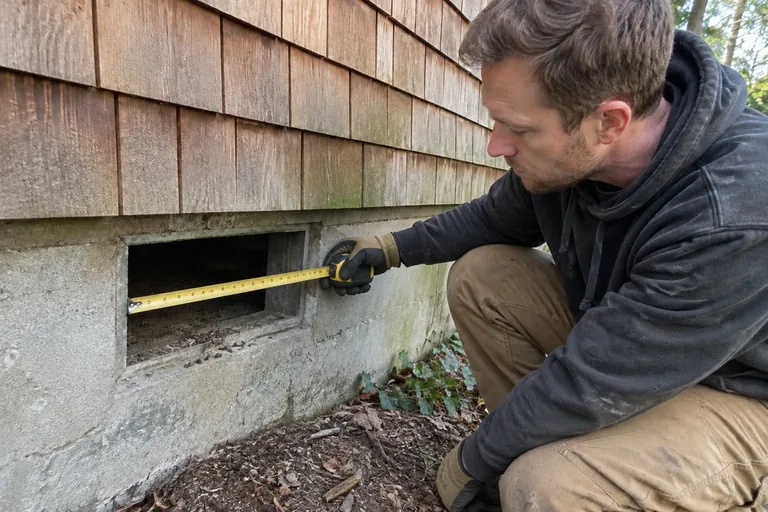 STEP 02
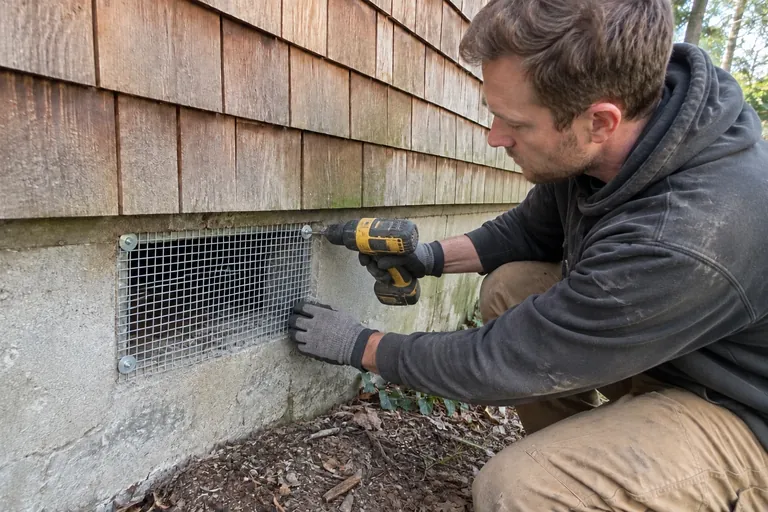 STEP 03
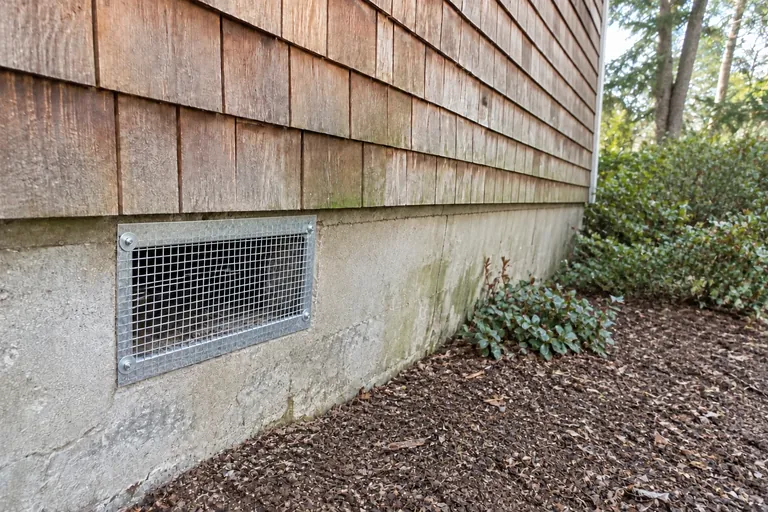 STEP 04
How we do it
Sealing only works if it's complete. One open gap is enough, so we work the whole house in order and show you each spot.
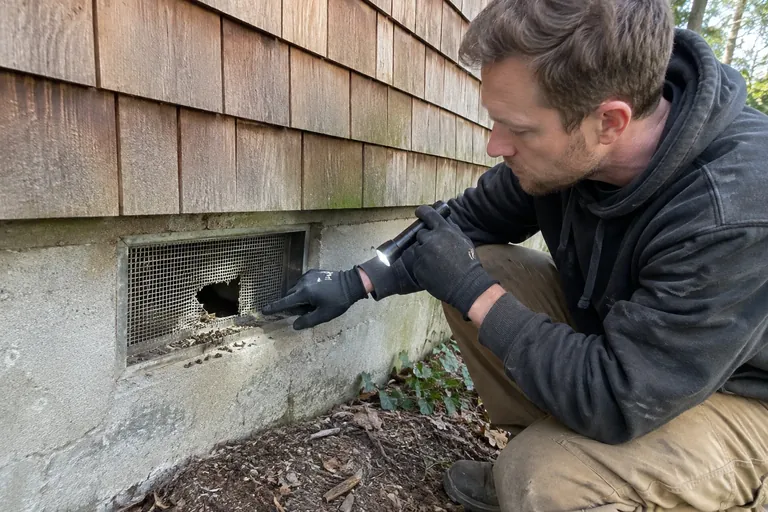
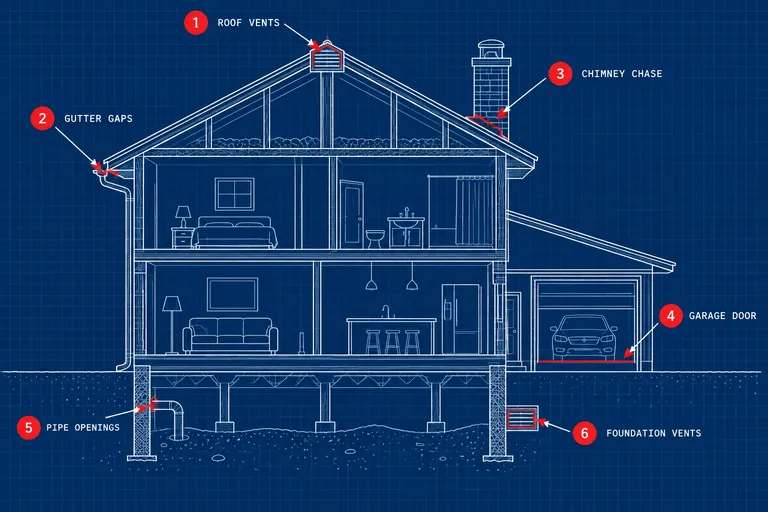
We start on the roof and work down: roof vents, plumbing stacks, chimney flashing, gable vents, soffits and fascia, then siding penetrations, foundation vents and the gap under the sill. Every opening that fits a rodent gets marked and photographed so you can see the list we're working from.
From inside we look for daylight, droppings trails and nests. Those tell us which openings are in active use and which are just possible routes. We also look for interior paths, like gaps around a bath fan duct or a chase that runs from the crawl space up into a wall.
If rodents are living inside, we trap first. Sealing a house with rats still in it traps them in your walls, where they chew new exits or die out of reach. We tell you what we're setting and where, and we keep checking until the activity stops.
Each opening gets a fix that fits it: galvanized mesh behind vent screens, sheet metal at soffit gaps, hardware cloth over foundation vents, metal mesh packed and sealed around pipe and wire entries. We keep vents open to airflow, because blocking attic or crawl space ventilation causes moisture problems.
You get before and after photos of every spot we sealed. We point out anything outside our scope, like a branch that should be cut back or a side sewer cleanout that needs a plumber, so nothing is left as a guess.
What you get
| Inspection | Roof, attic, exterior walls, foundation and crawl space, with photos of every gap |
|---|---|
| Roof and attic vents | Roof vents, gable vents and plumbing stack gaps screened or sealed |
| Soffits and eaves | Gaps at soffit corners, fascia and eave returns closed with sheet metal |
| Crawl space vents | Torn or rusted screens replaced or backed with galvanized hardware cloth |
| Wall penetrations | Pipe, wire, AC line and dryer vent gaps packed with metal mesh and sealed |
| Foundation | Gaps at the sill, access doors and crawl space hatches closed |
| Materials | Metal mesh, hardware cloth and sheet metal; no foam-only patches |
| Report | Before and after photos of each sealed spot, plus notes on anything left open |
Compare
Most homeowners try traps first. Here is why traps are only half the job.
| Factor | Trapping alone | Trapping plus sealing |
|---|---|---|
| Rodents inside now | Caught over time | Caught, then shut out |
| New rodents next season | Walk in through the same gaps | Find the gaps closed |
| Repeat visits | Ongoing, every time activity returns | Taper off once activity stops |
| Damage to insulation | Keeps building up | Stops once the house is sealed |
| What you see | Traps and catches | Photos of every sealed gap |
Puget Sound homes
Roof rats and Norway rats are both common here, and they get in differently. Roof rats climb. They use laurel hedges, ivy, fences and tree limbs to reach the roofline, then slip in through gable vents and soffit gaps. Norway rats dig and enter low, through crawl space vents and foundation gaps. A house in Seattle, Bellevue or Tacoma usually needs both ends sealed. When the wet season starts in October, rodents push hard for dry shelter, which is why calls spike in fall.
Older Seattle homes with crawl spaces often have original vent screens that have rusted through. Eastside tract homes from the 1970s through the 1990s tend to have long soffit runs and box roof vents where gaps open as the wood ages. Cedar shake roofs leave openings at the ridge and eaves. Houses near greenbelts, creeks and blackberry thickets see more pressure, because those are where rat colonies live year-round. Bird feeders, compost bins and fallen fruit pull them closer. Each of these needs a different fix, and we fit the fix to the house, then tell you which yard habits are worth changing too.
Pricing
We quote after the inspection, once we've counted the openings. These are the things that move the number.
A tight newer home might have a handful of gaps. An older house with many vents and penetrations can have far more.
Steep roofs, second stories and tall gables take more setup and safety work to reach and seal properly.
Rusted crawl space vents or damaged roof vents may need full screen replacement rather than a simple patch.
If trapping has to happen first, those visits are part of the job before the final sealing.
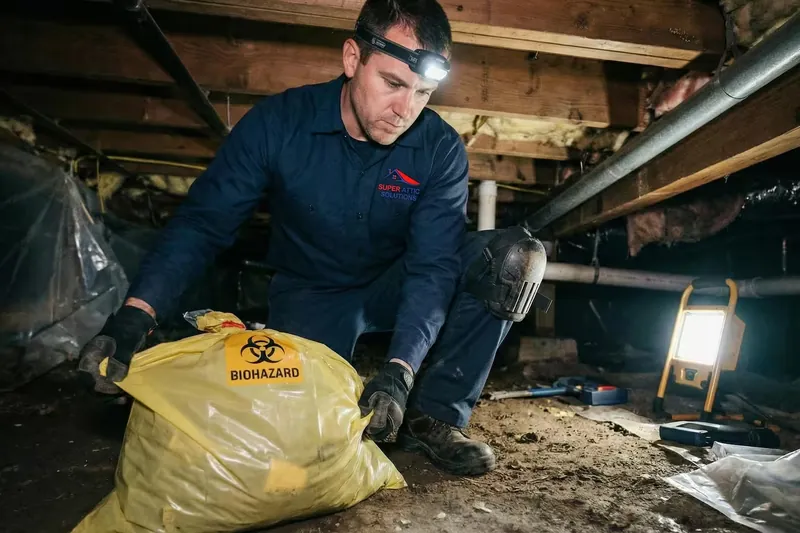
Droppings and nesting in the attic or crawl space can mean cleanup or insulation replacement, quoted separately.
We had a pretty bad rat problem in our attic. We heard noises every night. Guys from Super Attic Solutions came out and they trapped the rats and blocked all the holes that allowed the rats to get in. They were on time, professional and fairly priced.
FAQ
Still unsure? Call (800) 674-4933 and talk it through with us.
Rodent proofing, or exclusion, is the work of finding every opening a rat or mouse can use to get into a house and closing it with material they can't chew through. It covers the roof, attic vents, soffits, siding penetrations, foundation and crawl space. It is the step that keeps rodents out after the ones inside have been trapped.
Spray foam alone doesn't stop rats; they chew through it quickly. Steel wool rusts in our wet climate and falls apart. We pack gaps with metal mesh, then seal over it, and use hardware cloth or sheet metal on larger openings. The goal is a repair that still holds after several winters of rain.
It shouldn't, and we make sure it doesn't. Attic and crawl space vents need to move air or you get condensation and mold. We screen vents with metal mesh that lets air through and keeps rodents out. We seal gaps that were never meant to be open, like a pulled-away soffit corner.
No. Sealing a house with rodents still living in it can trap them in the walls or attic. They either chew a new way out or die where no one can reach them. We trap first, confirm activity has stopped, then finish the sealing.
Yes. Crawl space rodent proofing is a big part of what we do, especially on older Seattle homes. We replace or back damaged foundation vent screens, close gaps at the sill and access door, and seal pipe and drain entries. If the vapor barrier is torn up from rodent traffic, we can quote that as well.
You get photos. During the inspection we photograph each opening we find, and after sealing we photograph the same spots again. You can see the full list and the fix for each one. If we find something outside our scope, like a damaged side sewer, we tell you who to call.
Related services
We trap the rats and mice living in your home, remove nests and droppings, then seal the way in.
Learn more →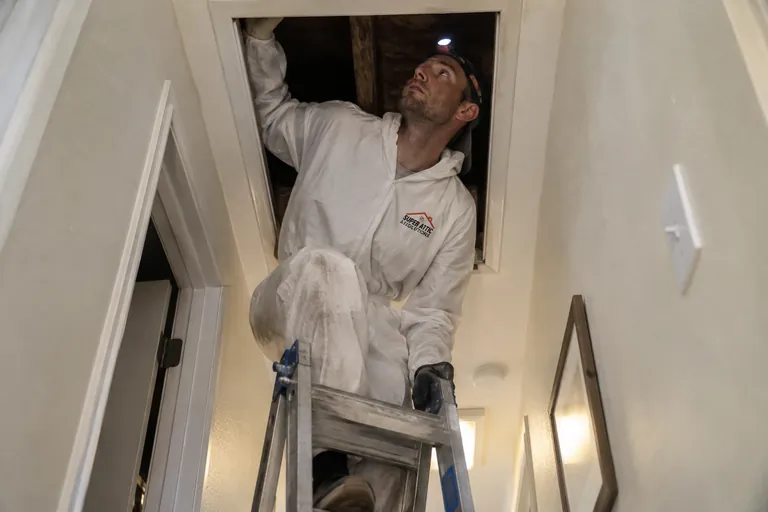
Rat removal built for the two spaces they live in: the attic above and the crawl space below.
Learn more →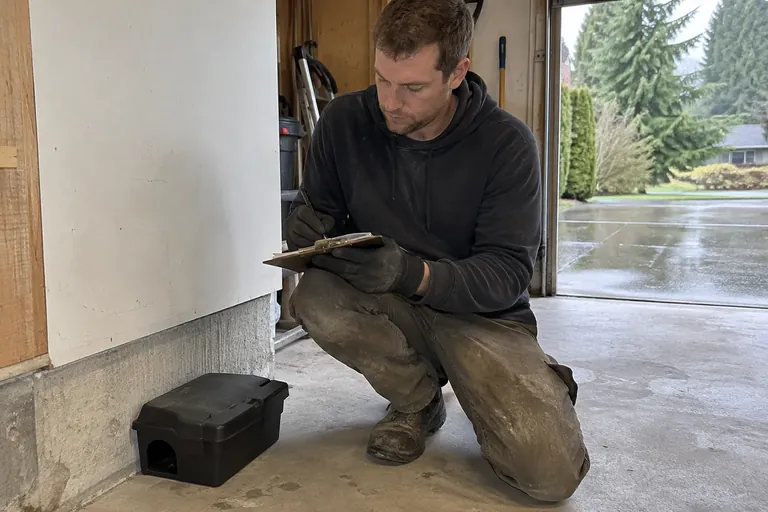
A trapping, monitoring and sealing program that runs until rodent activity in your home stops.
Learn more →
Biohazard cleanup after rodents and animals: waste removed, framing disinfected, odor treated at the source.
Learn more →Book a free inspection. We'll photograph your attic and crawl space and walk you through what we find, before you decide anything.