
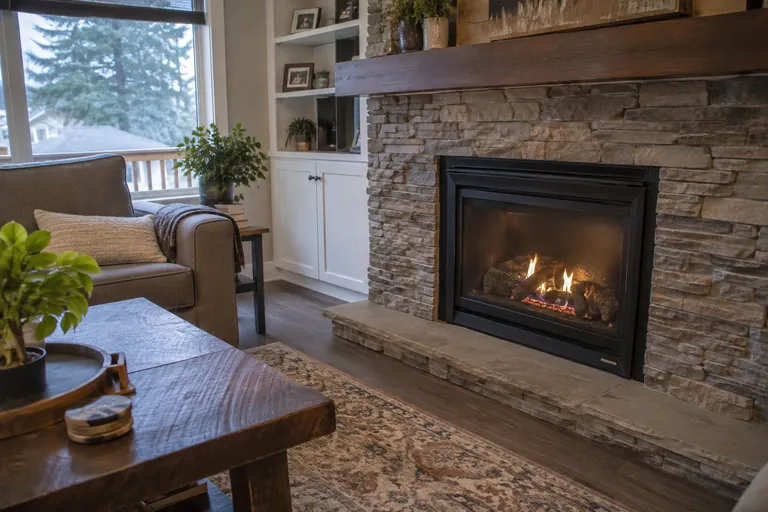
Fireplace & outdoor living
Fireplace installation and maintenance
New fireplaces and inserts, yearly service, and insulation for the cold, drafty chase behind them.
Learn more →Chimney services · Seattle & Puget Sound
We clean and repair chimneys from the top, and we check the part most chimney work skips: the gap around the chimney in your attic, where heat escapes, water gets in and rodents find a way inside.
 Installing a chimney cap · Seattle, WA
The problem
The first job is getting smoke and gases out of the house. Over time, wood fires leave creosote on the flue walls. It's flammable, and a thick layer can catch fire inside the chimney. Cracked flue tiles, a missing cap or a bird nest in the flue add to the risk. That's why fire safety standards call for a chimney inspection every year you use the fireplace.
The second job is keeping weather and animals out. A cracked crown, loose flashing or an open chase lets rain run down into the attic and walls. Inside the attic, the gap between the chimney and the framing is often left wide open. Warm air pours out through it, and roof rats and squirrels use it as a highway. We see these gaps all the time from the attic side.
Warning signs
Some show up at the fireplace. Others show up in the attic or on the roof.
Poor draft can mean a blocked flue, a nest, too much creosote or a damper that doesn't open fully.
Water stains around the chimney chase usually trace back to a cracked crown or failed flashing on the roof.
Noises in the wall or attic near the chimney often mean animals are using the chimney or the gap around it.
A smoky, tar-like odor on rainy days points to creosote buildup that moisture is drawing out.
How we do it
Top, bottom and the attic in between.
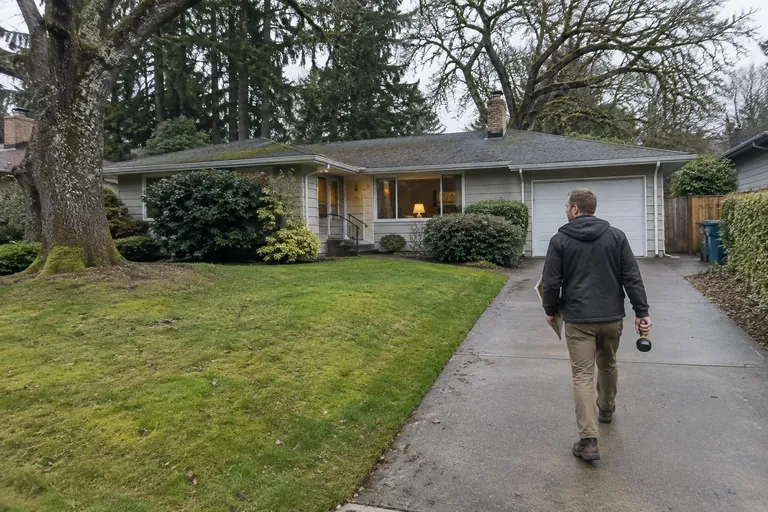
We look at the firebox, damper and flue from inside, check the cap, crown, masonry and flashing from the roof, and go into the attic to see where the chimney passes through. We photograph creosote, cracks, nests, water damage and any open gaps around the chimney, and show you what we found.
We seal off the fireplace opening to keep soot out of the room, then brush the flue and smoke chamber to remove creosote and debris. Nests and blockages come out. We clean up the firebox and leave the room as we found it, then confirm the flue is clear.
Depending on what we find, we replace or install a chimney cap with screen, repair a cracked crown, repoint loose mortar joints, or rebuild flashing where the chimney meets the roof. On framed chimneys, we check the chase cover for rust and holes.
In the attic, we close the gap between the chimney and the framing with sheet metal and fire-rated sealant, keeping the required clearance to combustibles. This stops warm air from escaping and blocks a common rodent route. If insulation around the chimney is wet or contaminated, we replace it.
What you get
| Inspection | Firebox, damper, flue, smoke chamber, cap, crown and flashing |
|---|---|
| Attic check | Gaps around the chimney, water staining, rodent signs |
| Cleaning | Creosote and debris brushed from the flue and smoke chamber |
| Caps and screens | Installed or replaced to keep out rain, birds and animals |
| Masonry repairs | Crown repair and repointing of loose mortar joints |
| Flashing | Rebuilt where the chimney meets the roof |
| Attic sealing | Sheet metal and fire-rated sealant at the chimney chase |
| Photos | Before and after photos of flue, roof and attic |
Puget Sound homes
Many older Seattle homes have brick chimneys that have taken decades of rain on the crown and mortar. Water gets into cracks, and the masonry slowly breaks down. Homes from the 1980s and 1990s across the Eastside and Snohomish County often have wood-framed chimney chases with a metal cover on top, and those covers rust and pool water. Both kinds commonly have an open gap in the attic where the chimney passes through. Roof rats are excellent climbers, and an uncapped flue or an open chase is an easy way in. We see it from the attic side as droppings, nesting and trails in the insulation around the chimney.
Pricing
The inspection is free. Cleaning and repairs depend on these factors.
Light soot brushes out quickly. Heavy, glazed creosote takes more time and different tools.
Tall chimneys and steep roofs need more setup and safety equipment.
A small crown crack is a quick fix. Widespread loose mortar or spalling brick takes more work.
Installing a new cap or rebuilding flashing adds material and roof time.
Sealing the chimney gap and replacing contaminated insulation around it are priced by the area.
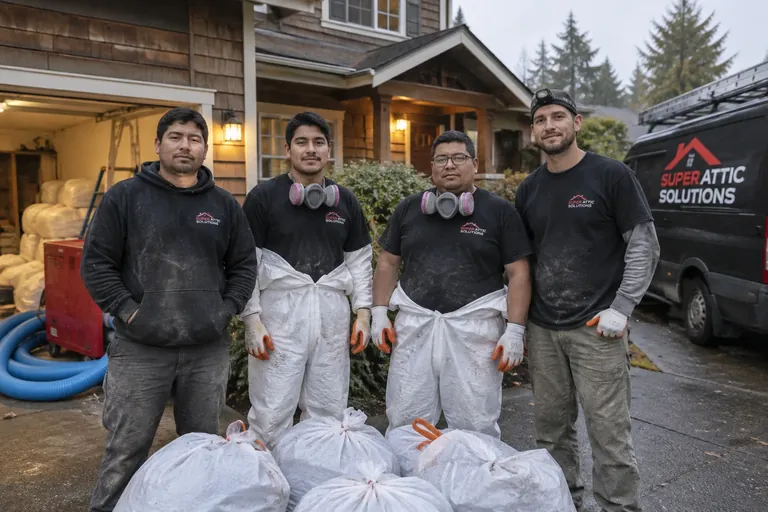
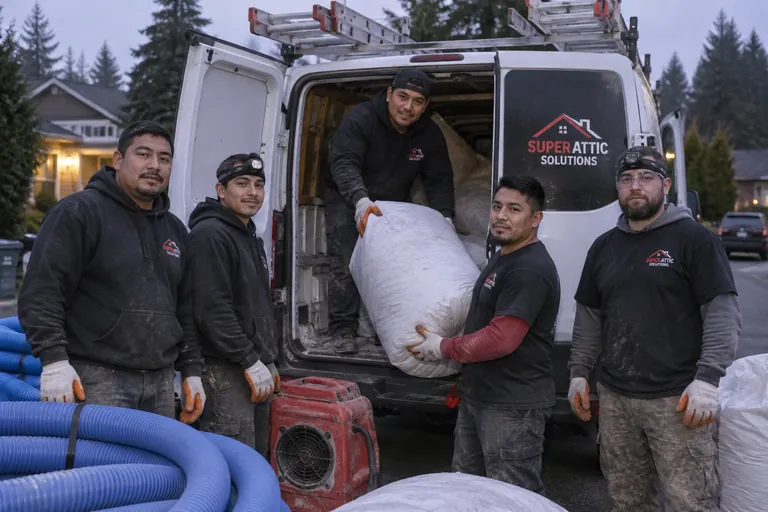
Great service. I highly recommend this company. Wish I would have found them years ago... Isaac, Kareem and Irving were professional, courteous, and friendly. Pricing was clear and there were no surprises. Very happy with our experience.
FAQ
Still unsure? Call (800) 674-4933 and talk it through with us.
Have it inspected once a year if you use the fireplace, and cleaned when the inspection shows creosote buildup. People who burn often, burn wet wood or use a wood stove usually need cleaning every year. Late summer is a good time to book, before the first cold, wet weekend when everyone wants a fire.
Because the chimney passes through it, and that's where the problems nobody sees tend to be. We often find an open gap between the chimney and the framing, water staining from roof leaks, and rodent droppings around the chase. Sealing that gap stops heat loss and closes a common entry point.
Yes. An uncapped flue lets birds, squirrels and raccoons in from the top. Roof rats climb brick and siding and can slip into gaps around the chimney at the roofline or in the attic. A screened cap and a sealed chase close both routes. If animals are already inside, we trap and remove them first.
The most common causes are a cracked crown, failed flashing where the chimney meets the roof, a missing cap, and porous brick or mortar that soaks up rain. On framed chimneys, a rusted chase cover is a frequent culprit. We find the source during the inspection and fix it before we treat any water damage inside.
Yes. Creosote is a flammable residue that builds up on the inside of the flue from wood smoke. A thick layer can ignite and burn very hot inside the chimney, which can crack the flue and reach nearby framing. Regular inspection and cleaning keep it under control.
Related services
New fireplaces and inserts, yearly service, and insulation for the cold, drafty chase behind them.
Learn more →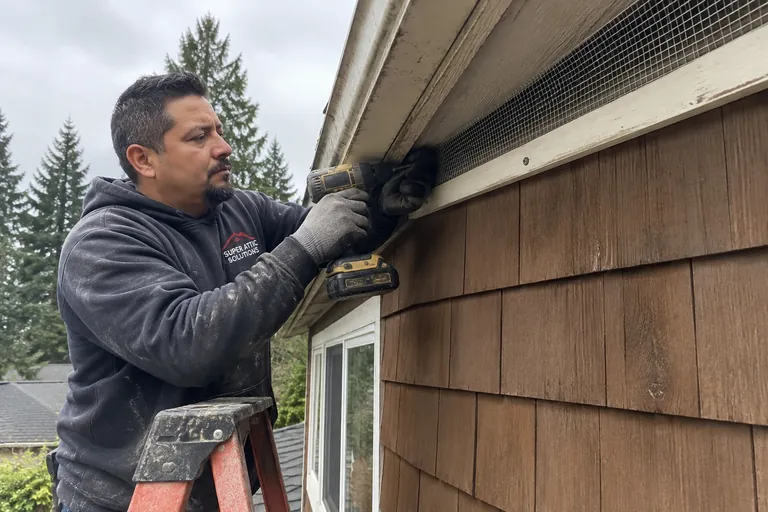
We find every gap rats and mice use, from roof vents to crawl space, and seal it with metal.
Learn more →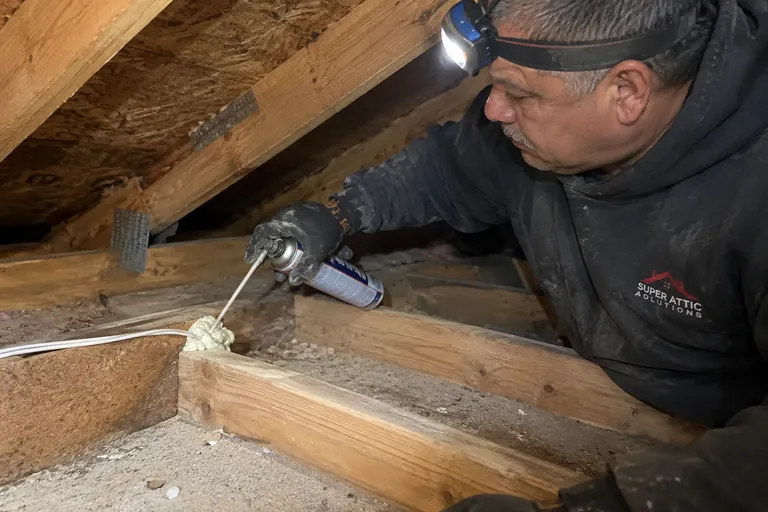
Sealing top plates, can lights, bath fans and chases from the attic side before new insulation goes in.
Learn more →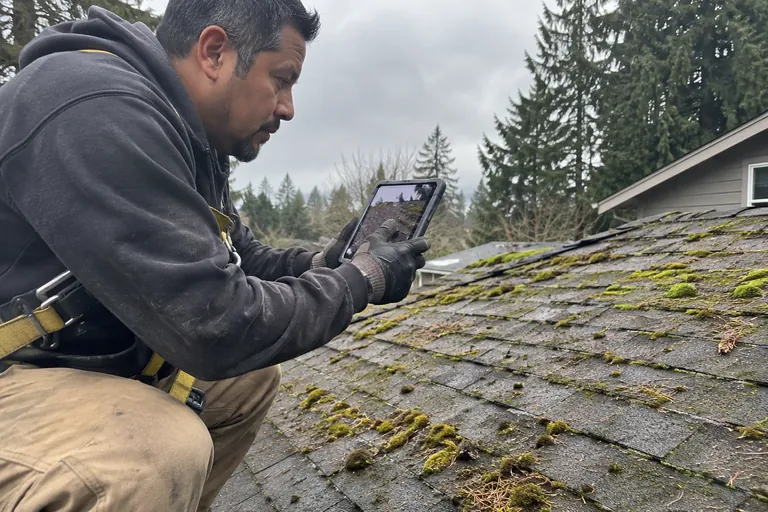
Outside and attic-side roof checks: flashing, moss, deck staining, daylight and ventilation, with photos.
Learn more →Book a free inspection. We'll photograph your attic and crawl space and walk you through what we find, before you decide anything.