
Attic services
Attic cleaning
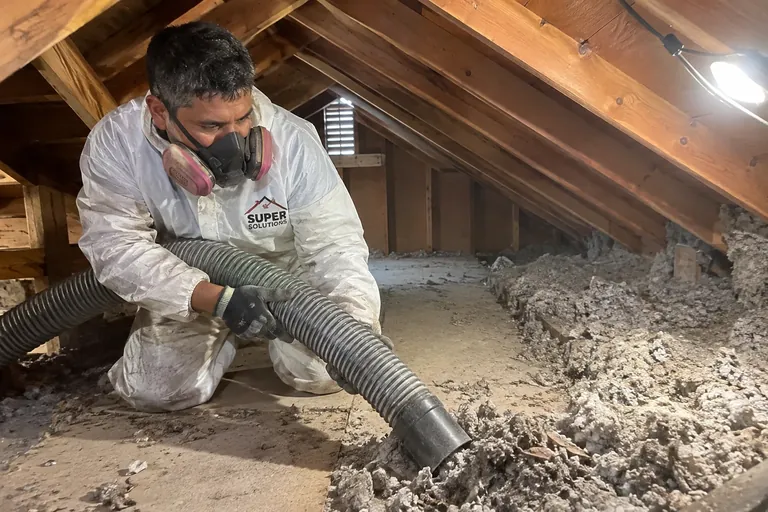
Removal of rodent droppings, nesting, old debris and soiled insulation, hauled out in sealed bags.
Learn more →Attic cleaning & reconditioning · Puget Sound
We clean out the old insulation, sanitize the framing, seal the gaps rodents and warm air use, then re-insulate. One crew, one schedule, one attic that works again.
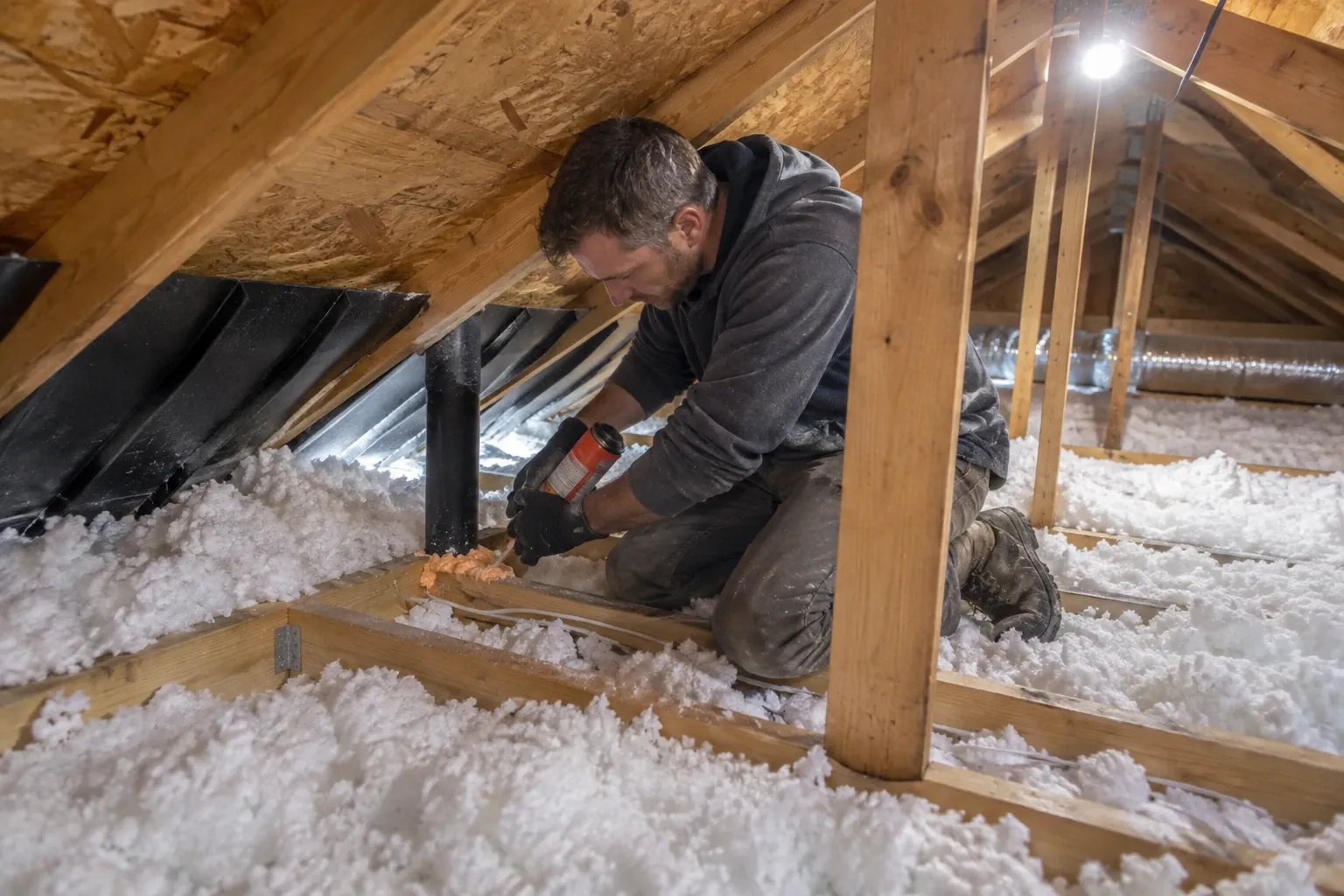 Reconditioning an attic: sealing, baffles and new insulation · Seattle, WA
The problem
A cleanout fixes what you can see. It does not fix why the attic got that way. If rats got in through a gap at the eave, they will find it again. If warm air leaks up around ceiling lights, the new insulation will be dirty and damp in a few winters. And an attic stripped to the drywall is not finished until insulation goes back in. Doing these jobs separately means three visits, three crews and gaps between them.
Reconditioning puts the whole restore into one project. We remove the contaminated insulation and debris, sanitize the framing and deck, seal rodent entry points and air leaks while the attic is empty, and blow or lay in new insulation to the depth you choose. It is the job most people end up needing after a long rodent problem or before selling an older home. We plan it with you after a free inspection.

Warning signs
Reconditioning makes sense when more than one thing is wrong in the attic at the same time.
Droppings and urine are spread across most of the attic, not one corner, and the insulation is soiled throughout.
You can see the tops of the joists, or the insulation is gray, compressed and well below what a modern attic carries.
Bedrooms under the attic stay cold in winter and hot in summer, even with the heat or heat pump running.
Gaps at the soffits, roof vents or around pipes were never sealed after the last rodent problem.
Dark streaks on the sheathing or frost on nail tips in winter point to warm, moist air leaking up from the house.
An inspection report flagged the attic and you want it handled in one project with one set of photos.
Proof of work
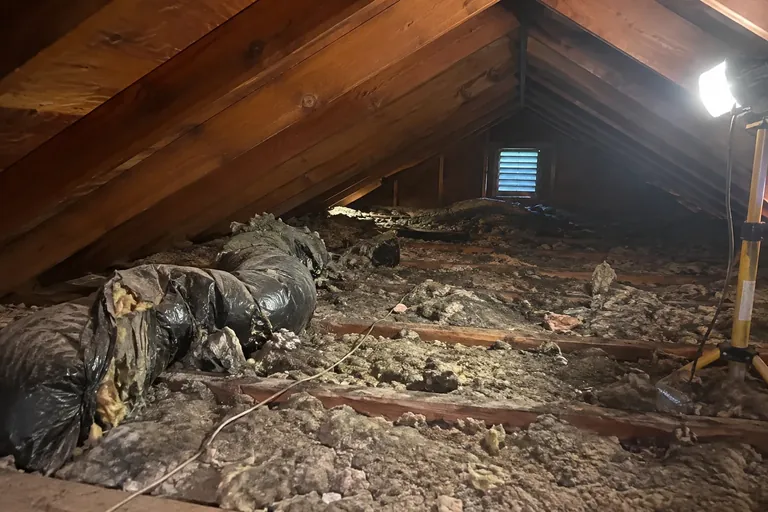
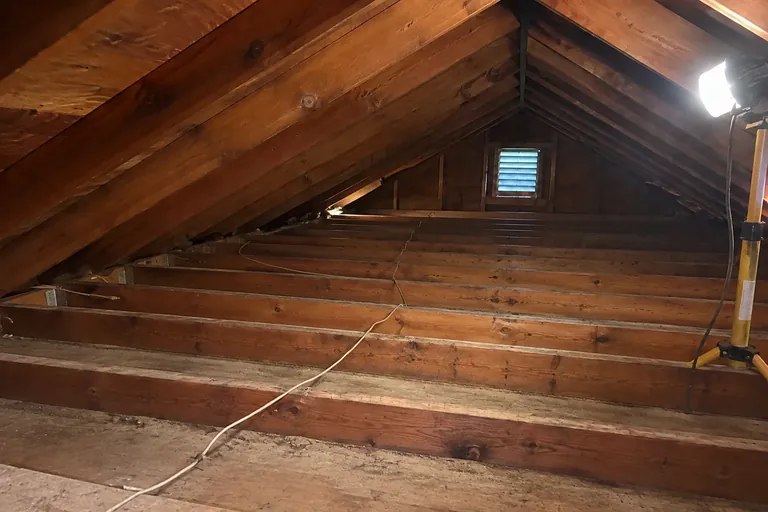
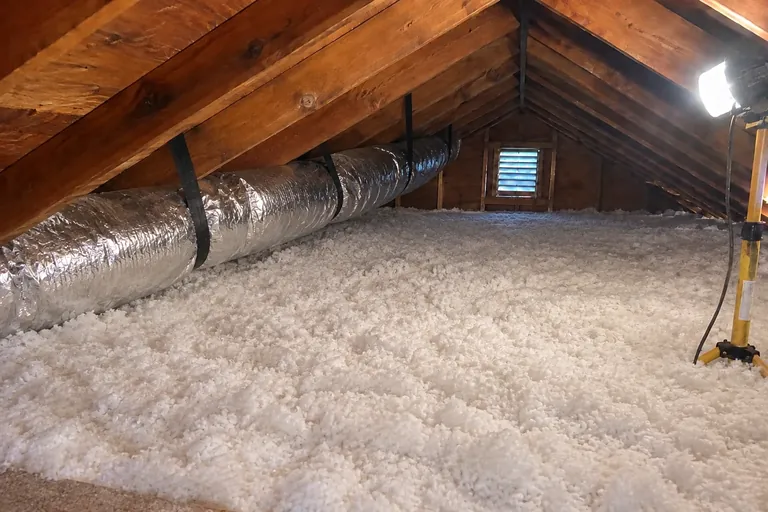
Drag the slider to compare. Illustrations of typical results on homes like yours.
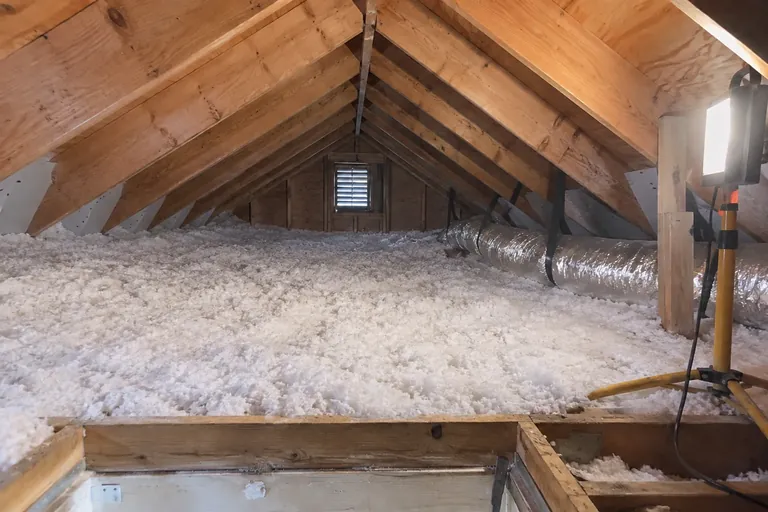
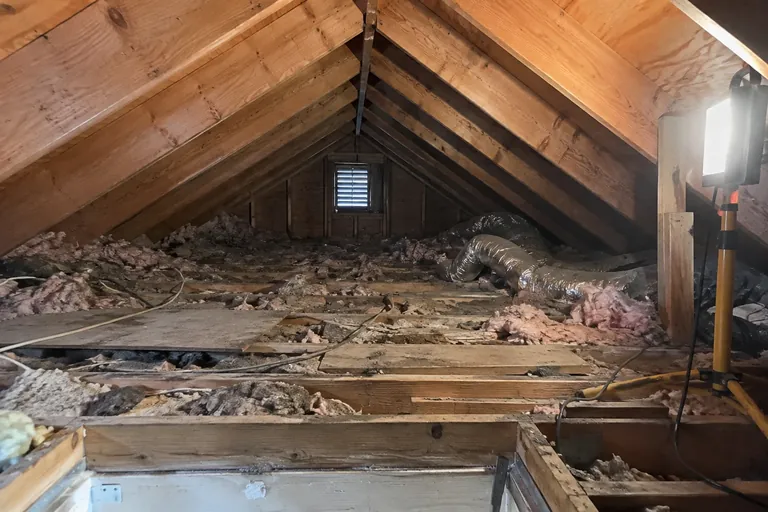 BeforeAfter
 STEP 01
 STEP 02
 STEP 03
 STEP 04
How we do it
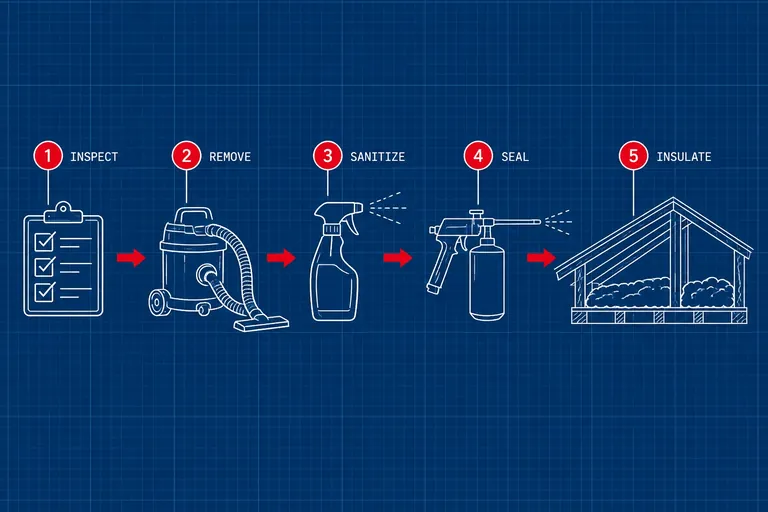
Each stage sets up the next one. The order matters, which is why we do it as one job.
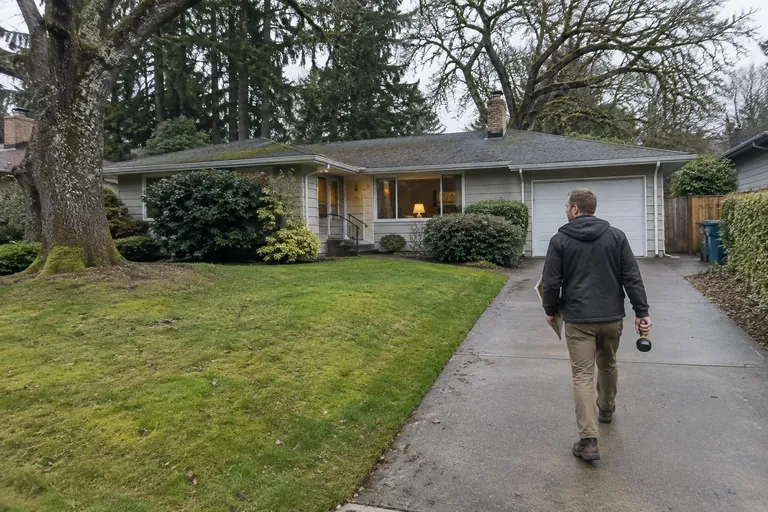
We go through the attic and the outside of the house, photograph the contamination, entry points and air leaks, and measure the attic. You get one written scope that covers removal, sanitizing, sealing and the new insulation, with the insulation type and depth spelled out.
With the house protected, the crew vacuums out the old insulation, droppings, nesting and debris, then hand-picks what is left. The attic goes down to clean drywall and joists, which is the only way to see and reach every gap in the ceiling below.
We apply a disinfectant and deodorizer to the joists, top plates and roof deck where rodents traveled and nested. We tell you which product we use and where it goes. This step takes care of the residue that vacuuming alone leaves on the wood.
Outside, we close rodent entry points with materials they cannot chew through. Inside, we seal the top plates, wire and pipe holes, can light housings, bath fan boxes and chases. With the attic empty, this is the easiest it will ever be to reach.
We install new insulation to the depth agreed in the scope, keep it clear of soffit vents with baffles, and insulate and weatherstrip the hatch. You get after photos of the finished attic and help with any PSE rebate paperwork you qualify for.
What you get
| Cleanout | Old insulation, droppings, nesting, dead rodents and debris removed |
|---|---|
| Sanitizing | Disinfectant and deodorizer on framing and deck; product named for you |
| Rodent exclusion | Entry points at soffits, vents, pipes and gaps sealed from outside |
| Air sealing | Top plates, penetrations, can lights, bath fans and chases sealed |
| Ventilation | Baffles at the eaves so new insulation does not block soffit vents |
| New insulation | Blown-in fiberglass, cellulose, batts or rockwool; Knauf and CertainTeed |
| Insulation depth | Chosen with you; Washington's new-home attic target is R-49 to R-60 |
| Rebates and photos | PSE rebate check and paperwork; before and after photos |
Compare
Both start with the same cleanout. The difference is what happens after the attic is empty.
| Factor | Attic cleaning | Full reconditioning |
|---|---|---|
| Contamination removed | Yes | Yes |
| Framing sanitized | Not included | Disinfected and deodorized |
| Rodent entries sealed | Quoted separately | Included in the scope |
| Air leaks sealed | Quoted separately | Sealed while the attic is empty |
| New insulation | Quoted separately | Installed to the depth you choose |
| Best for | A spot problem in a sealed, well-insulated attic | Long-term rodent activity, old insulation, a home sale |
Puget Sound homes
Many houses around Seattle were insulated once, decades ago, and never touched again. Older homes in Seattle, Tacoma and Everett often have a few inches of settled insulation over plaster ceilings full of gaps. Eastside homes in Bellevue, Redmond, Kirkland and Sammamish from the 1970s through the 1990s often have recessed lights, dropped soffits over the kitchen and bath fans that were never sealed. Add a few years of roof rats, and the attic is dirty, leaky and underinsulated all at once.
The climate makes the order of work important. Our heating season is long, and the region is wet from October to May. Warm, moist air that leaks into a cold attic condenses on the underside of the roof deck and soaks into the insulation. Sealing before insulating keeps the new insulation dry and working for years instead of a few winters. Many PSE customers can get help from PSE insulation programs; we check what you qualify for and handle the paperwork with you.
Pricing
We quote reconditioning as one scope after the inspection, with each stage listed so you can see where the cost goes.
Square footage, roof pitch and where the hatch is all affect how long removal and re-insulation take.
Deep, heavily soiled insulation takes longer to remove than a thin, spot-damaged layer.
A house with many gaps at the eaves, vents and ceiling takes more sealing time and material.
Blown-in, batts, cellulose and rockwool cost different amounts, and deeper insulation uses more material.
PSE programs can offset part of the insulation work for eligible homes. We check what applies to yours.
Daniel was thorough, professional, and quick to respond to all my questions. He crawled into a hard to reach places in my attic to make sure all my needs were met. I appreciate how quickly the Super Attic team completed the job and now my attic, crawl space and garage look infinitely better.
FAQ
Still unsure? Call (800) 674-4933 and talk it through with us.
Attic cleaning removes droppings, debris and soiled insulation. Reconditioning includes that cleanout, then sanitizes the framing, seals rodent entry points and air leaks, and installs new insulation. Cleaning is right for a contained problem in an otherwise good attic. Reconditioning is for an attic that is dirty, leaky and underinsulated at the same time.
It depends on the size of the attic and how much has to come out, but most single-family homes take a few working days from cleanout to new insulation. We give you the schedule with the scope. Because one crew handles every stage, there is no waiting between trades.
Yes, in most cases. The work happens in the attic and outside the house. We protect the path to the hatch, mask the opening and keep vacuum bags outside. Expect some noise overhead during removal and insulation. We will tell you if anything in the scope means you should plan to be out for a day.
We install blown-in fiberglass, cellulose, fiberglass batts and rolls, and rockwool, including Knauf EcoBatt and CertainTeed products. Blown-in is the common choice for an open attic because it fills around wires and framing. We talk through the options and the depth you want, and write both into the scope.
Possibly, for the insulation and air sealing parts of the work. Puget Sound Energy sets the eligibility rules and rebate amounts, and they change. If you are a PSE customer, we check what you qualify for when we write the scope and handle the paperwork with you.
It should not. Most attic odor comes from urine-soaked insulation and residue on the wood. Removal takes out the insulation, sanitizing and deodorizing treat the framing, and sealing keeps new animals out. If an odor lingers in a specific spot, tell us and we will come back to look at it.
Related services
Removal of rodent droppings, nesting, old debris and soiled insulation, hauled out in sealed bags.
Learn more →
Biohazard cleanup after rodents and animals: waste removed, framing disinfected, odor treated at the source.
Learn more →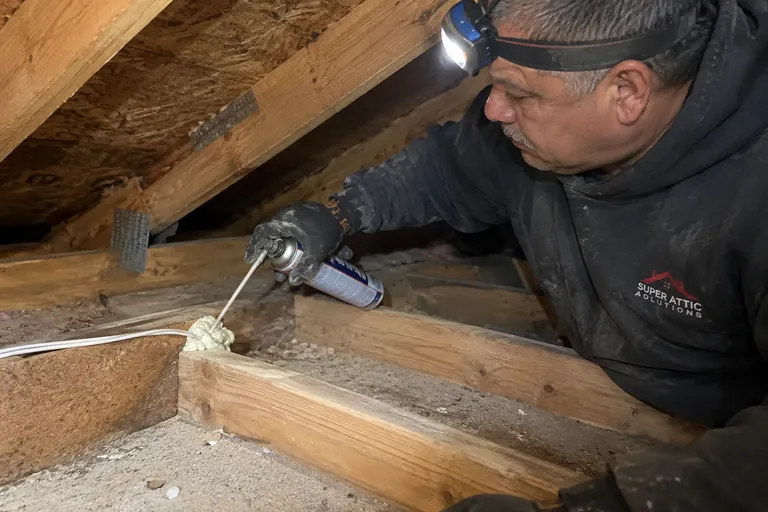
Sealing top plates, can lights, bath fans and chases from the attic side before new insulation goes in.
Learn more →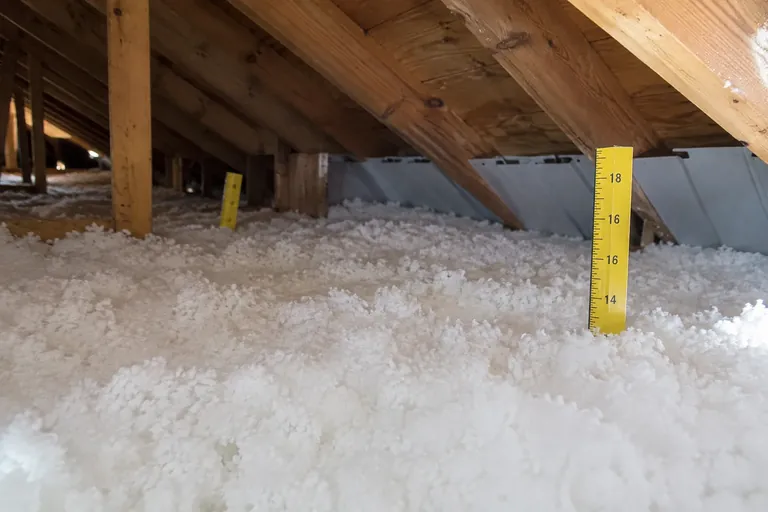
The install itself: air sealing, eave baffles, flue clearances and an even layer to the planned depth.
Learn more →Book a free inspection. We'll photograph your attic and crawl space and walk you through what we find, before you decide anything.