
Crawl space & moisture
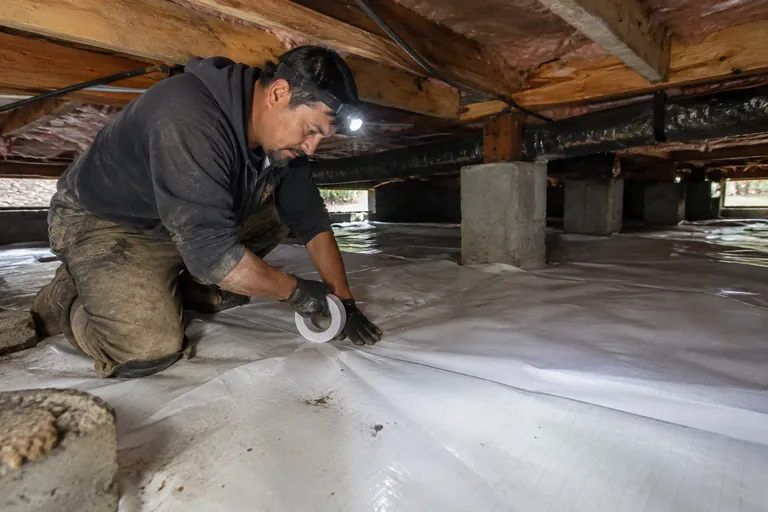
Crawl space vapor barrier installation
New crawl space ground cover, 6-mil or reinforced, lapped at the seams and run to the foundation walls.
Learn more →Crawl space encapsulation · Seattle & Puget Sound
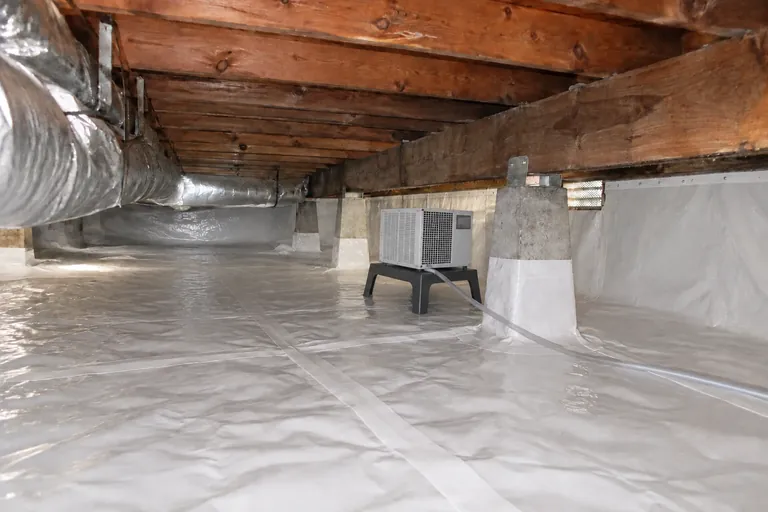
Encapsulation lines the floor and walls, closes off outside air and keeps the space dry with a dehumidifier. We tell you straight if your house needs it, or if a good vapor barrier will do the job.
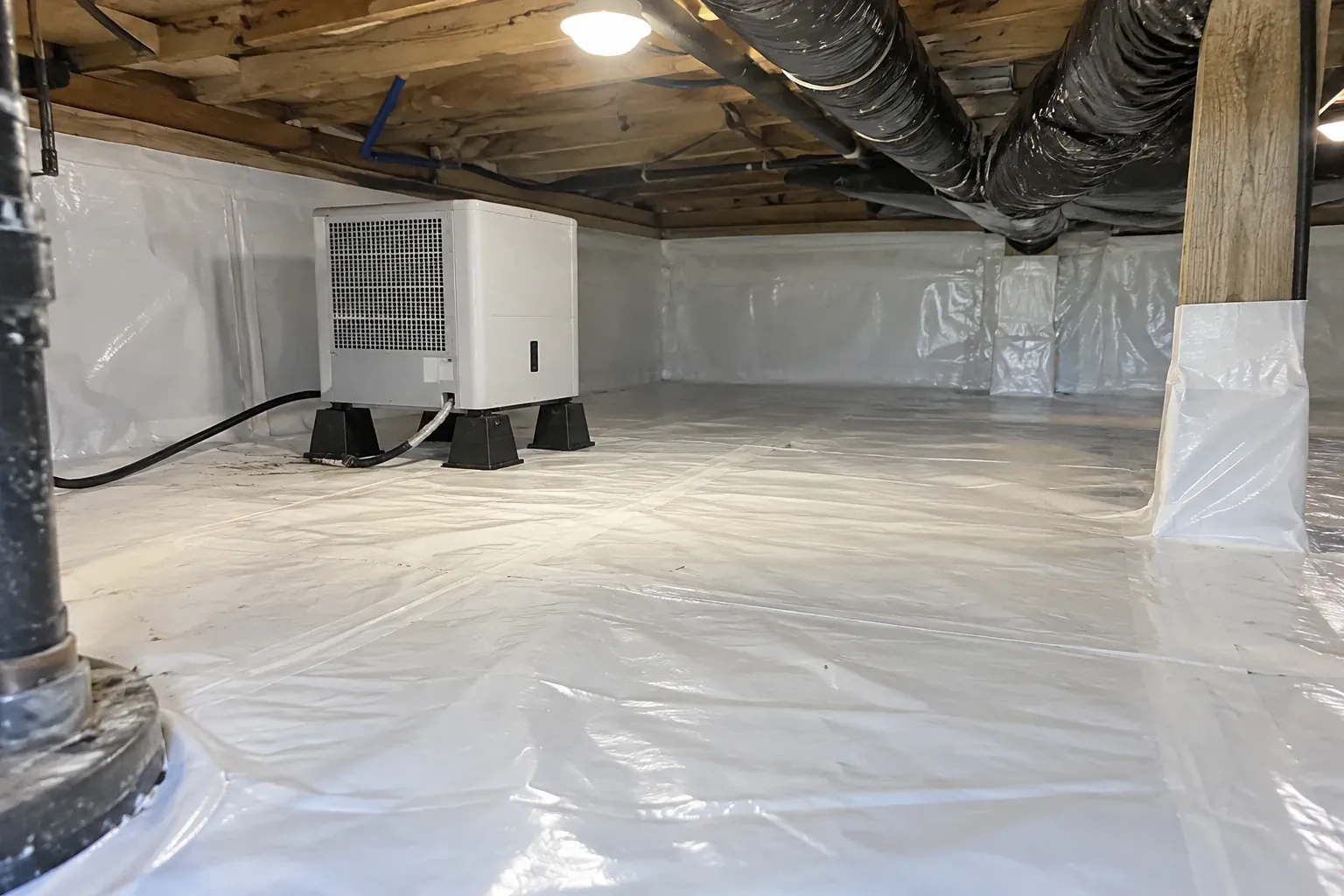 Encapsulated crawl space with a sealed liner and dehumidifier · Seattle, WA
The problem
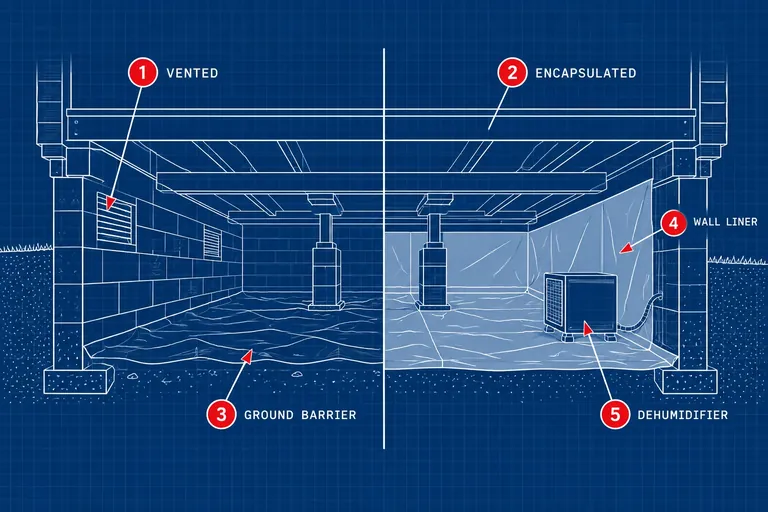
A standard crawl space in the Northwest is vented: plastic on the ground, screened openings in the foundation, and outdoor air moving through. Encapsulation turns that into a closed space. A heavier liner covers the soil and runs up the foundation walls, seams and piers are sealed, the vents are closed, and the air inside is kept dry, usually with a dehumidifier sized for the space. Done properly, the crawl space behaves more like part of the house than a damp cellar under it.
It is not a fix for water. If rain runs under the house every winter, a liner just holds a puddle. It is also not needed in every home. Plenty of Puget Sound crawl spaces stay dry for decades with a sound ground cover, open vents and gutters that work. Encapsulation earns its cost where humidity stays high anyway, where ducts or a furnace live down there, or where mold keeps returning on the joists.
Warning signs
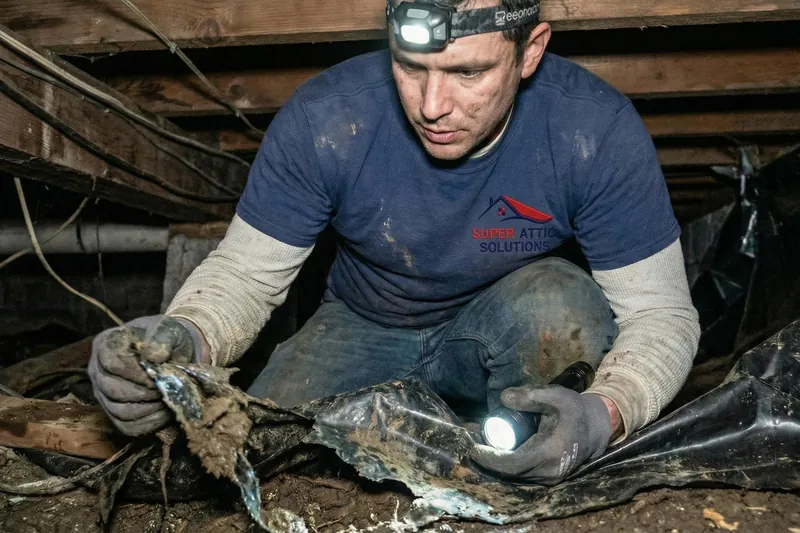
These are the conditions where we recommend sealing the crawl space instead of only replacing the ground cover.
If the ground cover is intact and wood moisture readings still run high through the wet season, closing off outside air can help.
Joists or subfloor that grow mold again after cleaning tell us the air down there stays damp, not just the soil.
Heating equipment and ductwork in the crawl space sit in drier, more stable air once that space is sealed and conditioned.
Where crawl space air moves up into the house through leaky ducts and floor gaps, sealing and drying it deals with the source.
A clean, sealed liner makes a crawl space usable for storing bins, which bare soil and thin plastic never will be.
Crawl spaces with frequent visits from repair crews need a tougher reinforced liner, and sealing it fully is the next step up.
Proof of work
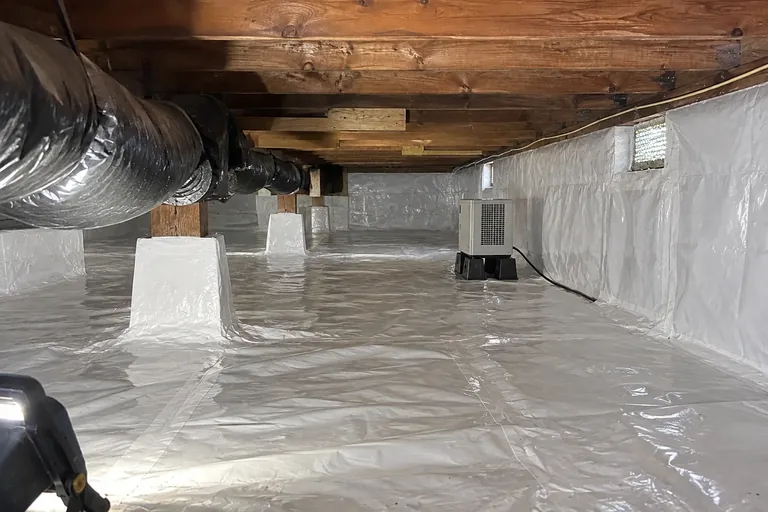
Drag the slider to compare. Illustrations of typical results on homes like yours.
 BeforeAfter
 STEP 01
 STEP 02
 STEP 03
 STEP 04
How we do it
Encapsulation is only as good as the prep and the sealing. This is the order we follow.
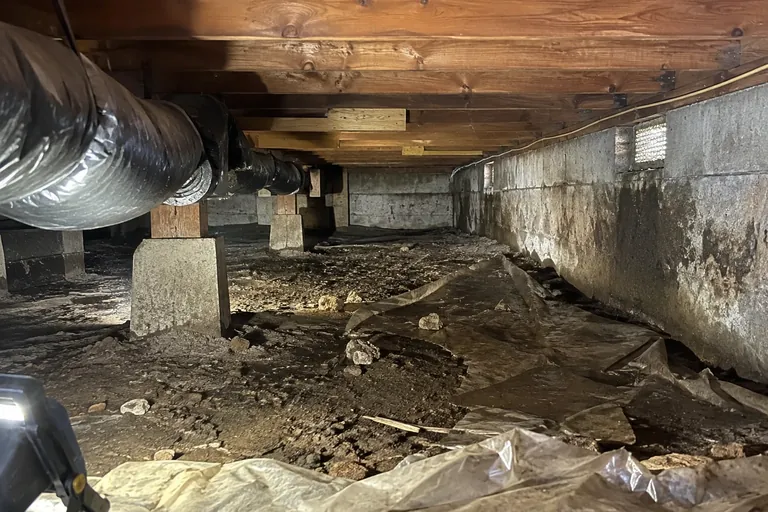
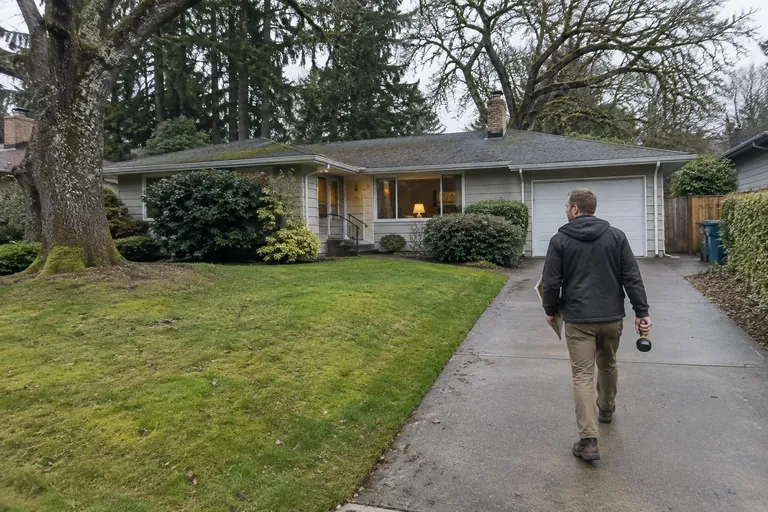
We go under with a camera and a moisture meter. We check wood moisture in joists and sill plates, look for standing water and drainage tracks, note where vents, ducts and any combustion appliances are, and photograph everything. Then we tell you plainly: full encapsulation, a heavier vapor barrier with vents left open, or a water fix first.
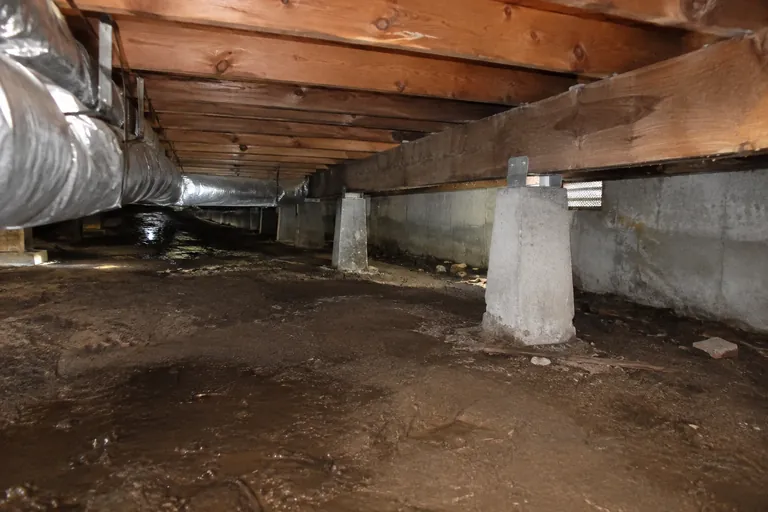
Old plastic, debris and fallen insulation come out first. If water enters at the foundation, we show you where, and gutters, downspouts or grading get addressed before any liner goes down. Rodent entries are sealed so rats don't tear up the new liner in its first season. Damaged wood gets flagged for repair.
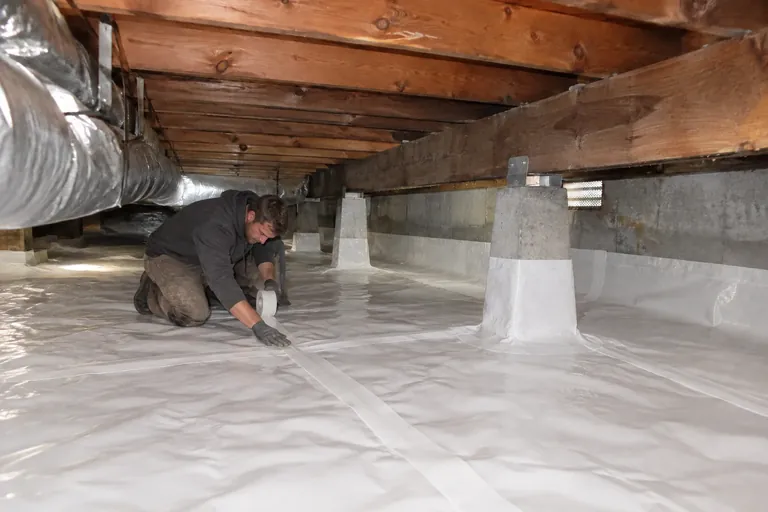
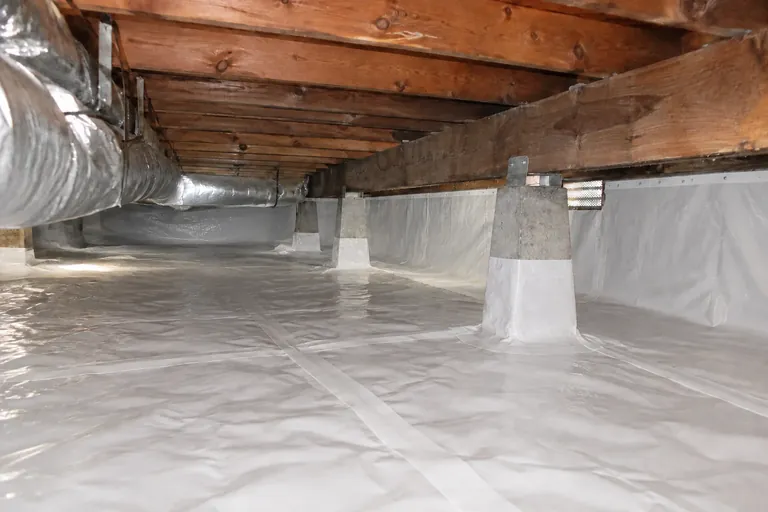
A heavy reinforced liner covers the soil and runs up the foundation walls, fastened and sealed along its top edge. Seams are overlapped and taped, and the liner is wrapped and sealed around every pier and post. We leave a strip below the sill plate uncovered so the wood stays visible for future pest and moisture checks.
Foundation vents are closed with rigid, sealed covers, and the crawl space gets a dehumidifier sized for its volume, with a drain line routed out. Where a home has combustion appliances in the crawl space, we review how they get air before anything is sealed. Code expects a sealed crawl space to have a way of drying or conditioning its air, so we plan that in.
We walk the finished space, check every seam and penetration, confirm the dehumidifier is running and draining, and photograph the result. You get the photos and simple maintenance notes: keep the drain line clear, check the humidity display a few times a year, and call us if you ever see water on the liner.
What you get
| Inspection | Free inspection with photos, wood moisture readings and a plain recommendation |
|---|---|
| Prep | Old plastic, debris and fallen insulation removed; rodent entries sealed |
| Floor liner | Heavy reinforced liner over all exposed soil |
| Wall coverage | Liner run up the foundation walls, fastened and sealed at the top edge |
| Seams and piers | Seams overlapped and taped; piers and posts wrapped and sealed |
| Vents | Foundation vents closed with rigid, sealed covers |
| Air drying | Dehumidifier sized to the space, with a drain line routed out |
| Inspection strip | Sill plate left visible for future pest and moisture checks |
Compare
Both control ground moisture. Only one controls the air. Here is how they differ in a typical Puget Sound crawl space.
| Factor | Vapor barrier, vents open | Full encapsulation |
|---|---|---|
| Ground cover | Polyethylene over the soil, lapped and run to the walls | Heavy reinforced liner on the soil and up the walls |
| Foundation vents | Open, screened against rodents | Closed and sealed |
| Air drying | Outdoor air moves through | Dehumidifier or conditioned air |
| Running cost | None | A dehumidifier uses electricity |
| Ongoing upkeep | Check plastic and vent screens now and then | Watch the dehumidifier and drain line |
| Best fit | Dry soil, no ducts below, no recurring mold | Persistent humidity, ducts below, repeat mold |
Puget Sound homes
Our climate is wet but mild. The ground stays damp for months, winters rarely stay cold for long, and summers are fairly dry. That is why a vented crawl space with a sound ground cover works in so many Seattle and Eastside homes, and why we don't push encapsulation on every job. Where it does pay off is in houses on low lots, near lakes and streams, in shaded ravines in places like Kirkland, Bothell and Issaquah, or anywhere the crawl space stays clammy even with the plastic in good shape.
The other common case is the Eastside tract home from the 1970s through 1990s with a gas furnace and ductwork under the floor. Leaky ducts pull crawl space air into the house, so drying that space makes the air upstairs less musty. Before sealing anything, we check that gutters and downspouts carry roof water well away from the foundation, because no liner can keep up with a downspout dumping beside the footing all winter. Moss-covered roofs with clogged gutters are the usual culprit.
Pricing
Encapsulation varies more than most crawl space work. These factors set the scope.
Wall area matters as much as floor area, since the liner runs up every foundation wall.
Old plastic, debris, fallen batts and droppings all come out first, and heavier messes take longer.
Heavier reinforced liners cost more than a standard ground cover and stand up better to foot traffic and storage.
Every pier, post and pipe is a detail to wrap and seal. Busy crawl spaces take more labor.
The dehumidifier, its drain route and any water corrections needed beforehand are part of the scope.
The company was quick to respond and send out Ron. Ron was great in communicating the issues we were having in our crawlspace. Had showed us the pictures of the crawl space and was able to get us booked the very next day. The crew was fantastic and worked throughout the day. The bonus was they were also able to take a handful of containers to the dump to assist saving us a dump run.
FAQ
Still unsure? Call (800) 674-4933 and talk it through with us.
Sometimes. In many Seattle-area homes, a new ground cover, sealed rodent entries and working gutters keep the crawl space dry enough. Encapsulation is worth it when humidity stays high despite a good vapor barrier, when ducts or a furnace sit in the crawl space, or when mold keeps returning on the framing. We tell you which group your house falls into after the inspection.
A vapor barrier is a ground cover: plastic over the soil, lapped at the seams and run to the walls, with the vents left open. Encapsulation adds a heavier liner that goes up the foundation walls, seals every seam and pier, closes the vents and dries the air with a dehumidifier. One slows ground moisture. The other controls the whole space.
In most cases, yes. Once the vents are closed, moisture that gets in from the soil edges, the house or the foundation has nowhere to go. Code expects a sealed crawl space to have some way of drying or conditioning the air, and a dehumidifier sized to the space is the usual answer. It drains to the outside, so nobody has to empty a bucket.
Only as part of a full encapsulation. Closing vents over bare soil or torn plastic traps moisture and makes things worse. In a vented crawl space, keep the vents open and screened against rodents. When we encapsulate, the vents get rigid sealed covers at the same time the liner and dehumidifier go in, so the space is never closed without a way to stay dry.
Not until the water is handled. A liner over a crawl space that floods each winter only hides the problem. We look for where the water comes from, usually roof runoff from gutters and downspouts, soil sloping toward the house or a plumbing leak, and show you what needs to change. Once the space stays free of standing water, encapsulation can go in.
A liner alone won't stop a determined rat. What keeps rodents out is sealing the entry points: vent openings, gaps around pipes and openings at the sill. We do that during the prep stage, before the liner goes down. A sealed crawl space does make any new activity easy to spot, since droppings and tears show up plainly on a clean white liner.
Related services
New crawl space ground cover, 6-mil or reinforced, lapped at the seams and run to the foundation walls.
Learn more →
A full moisture plan for your crawl space: barriers, vents, gutters, downspouts and drainage clues.
Learn more →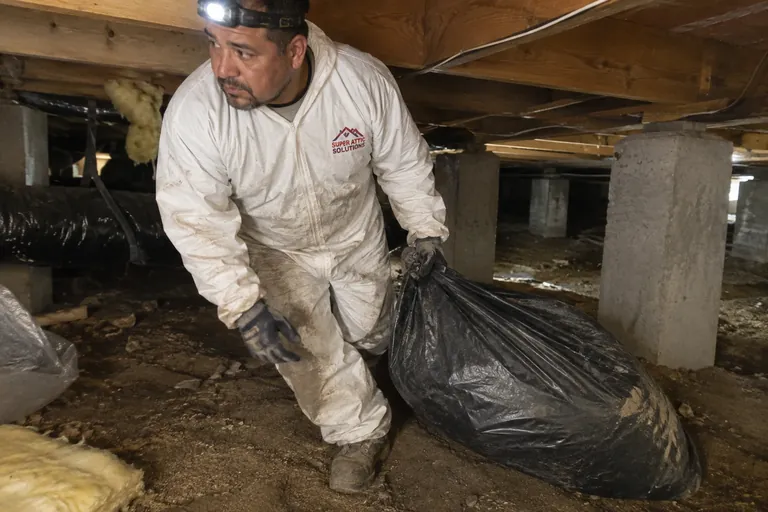
Droppings, fallen insulation, torn plastic and debris bagged and hauled out from under your house.
Learn more →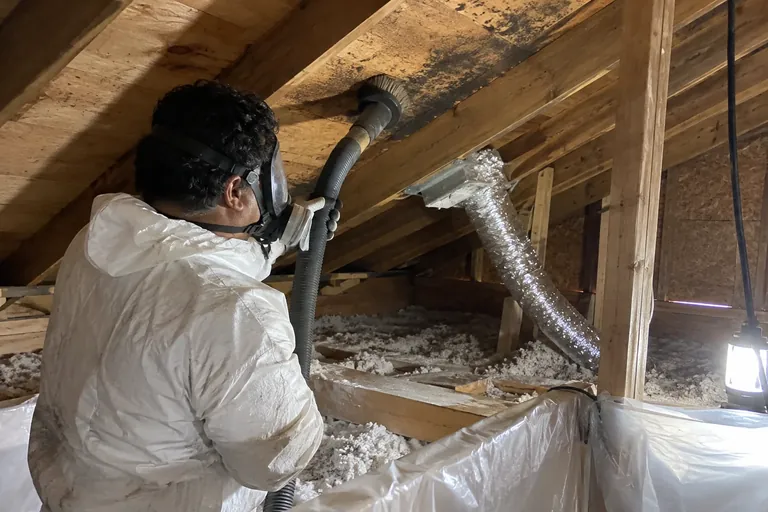
Attic and crawl space mold removed under containment, with the moisture source found and fixed.
Learn more →Book a free inspection. We'll photograph your attic and crawl space and walk you through what we find, before you decide anything.