
Rodents & pests
Rodent control
A trapping, monitoring and sealing program that runs until rodent activity in your home stops.
Learn more →Rat and mice control · Seattle & Puget Sound
Four rodents cause most problems in Puget Sound homes. Each one enters, nests and travels differently. We identify which one you have first, because that decides where traps go and what gets sealed.
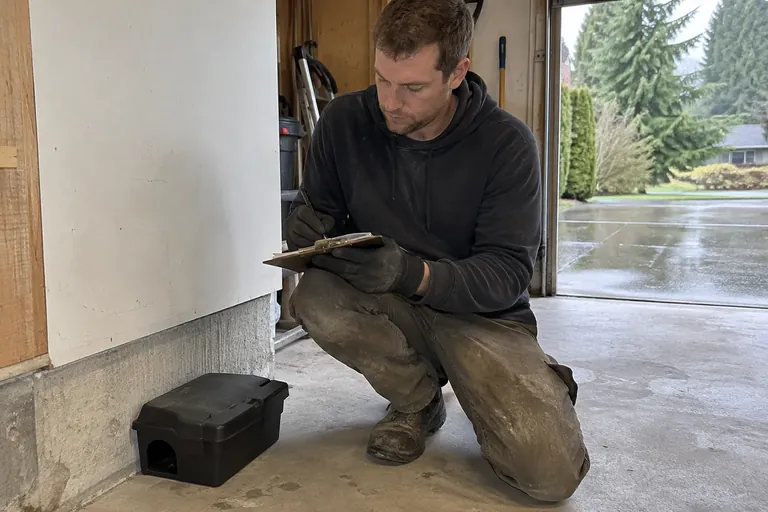
 A Norway rat along a crawl space foundation wall · Kirkland, WA
The problem
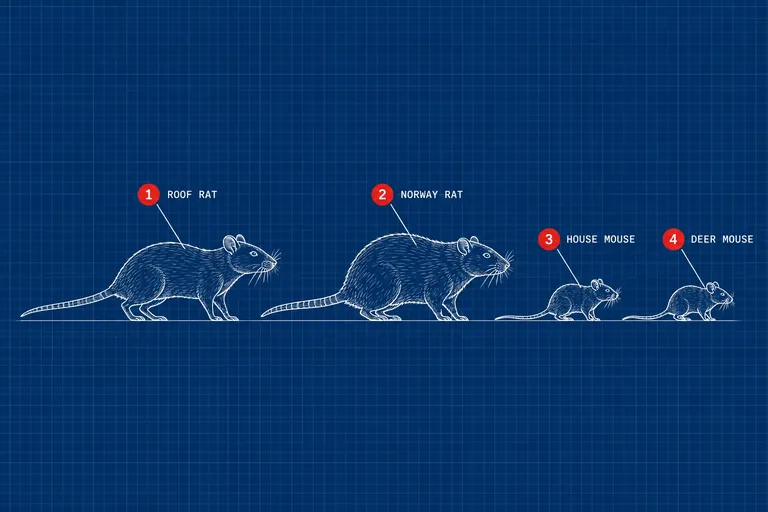
Roof rats climb. They come in at the roofline and nest in attics. Norway rats dig. They come in at the foundation and nest in crawl spaces and under decks. House mice can live their whole lives inside your walls and cabinets. Deer mice move in from fields and woods, especially into garages, sheds and cabins, and they're the main carrier of hantavirus in Washington. Treating all four the same way wastes time and leaves gaps open.
So our first job is identification. Droppings, gnaw marks, nest locations and the path rodents take into the house tell us what we're dealing with. Sometimes it's two at once, like roof rats in the attic and mice in the kitchen. Once we know, we place traps where that animal actually travels, seal the openings that size of animal can use, and set up cleanup with the right precautions.
Warning signs
You rarely get a good look at the animal itself. These clues are what we use, and what you can check yourself.
Slender, dark, with a tail longer than its body and big ears. Runs on fences, ivy and power lines. Nests in attics and trees.
Heavier, brown, with a blunt nose and short tail. Burrows near foundations, under decks and woodpiles. Nests in crawl spaces.
Small, plain gray-brown. Nests in walls, cabinets and behind appliances, close to food. Rarely ventures far from the nest.
Brown on top, white underneath, with a two-tone tail. Common in garages, sheds, cabins and homes near fields or woods.
Rat droppings are larger, like a raisin or bigger. Mouse droppings are small, like a grain of rice. Roof rat droppings have pointed ends.
Rats leave rough gnaw marks and holes about the size of a quarter. Mice leave tiny tooth marks and holes about the size of a dime.
Proof of work
Drag the slider to compare. Illustrations of typical results on homes like yours.

 BeforeAfter
 STEP 01
 STEP 02
 STEP 03
 STEP 04
How we do it
Same five steps for every home, adjusted at each step for the rodent we find.
We inspect the attic, crawl space, garage and kitchen and compare droppings, gnaw marks, nests and runways. We photograph what we find and explain which rodent left it. If there's more than one kind, we map where each one lives, since roof rats in the attic and mice in the kitchen need separate plans.
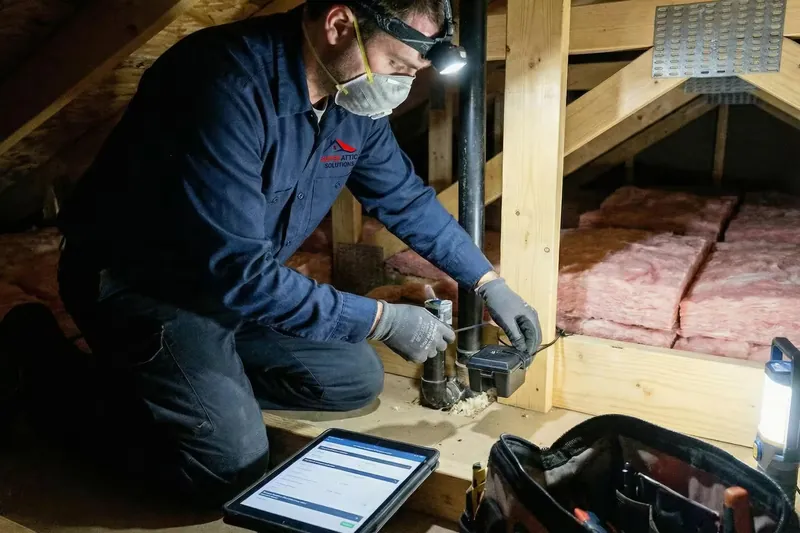
Roof rat traps go high, on attic top plates and rafters. Norway rat traps go low, along crawl space sills and foundation walls. Mouse traps go close to nests, along walls and behind appliances. Trap size matches the animal. We tell you where each trap is and disclose any bait station use first.
We return to clear and reset traps. Rats are wary of new objects and may avoid traps for the first nights, so we adjust placement as we learn their routes. Mice are curious and tend to be caught sooner, but their numbers can be higher. We keep going until catches stop.
A gap that keeps rats out can still let mice through. When mice are the problem, we close smaller gaps around pipes, under doors and at siding joints. For roof rats we focus on the roofline; for Norway rats, the foundation. Metal mesh, hardware cloth and sheet metal do the work.
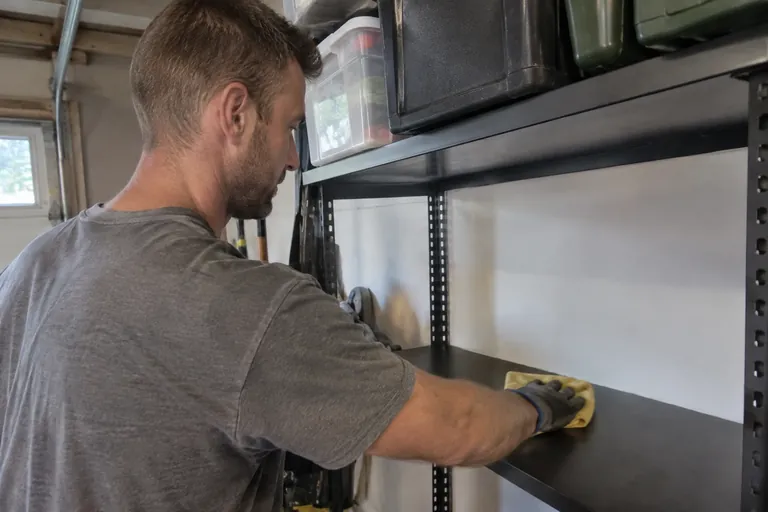
Droppings get sprayed with disinfectant and wiped or bagged, never swept dry. With deer mice we take extra care because of hantavirus risk: full respirators, wet cleanup and sealed bags. Soiled insulation or vapor barrier is quoted for removal and replacement.
What you get
| Identification | Species confirmed from droppings, gnaw marks, nests and runways |
|---|---|
| Rodents covered | Roof rats, Norway rats, house mice and deer mice |
| Trap placement | High for roof rats, low for Norway rats, near nests for mice |
| Return visits | Traps cleared, reset and moved until catches stop |
| Sealing | Gaps closed to rat or mouse size with metal mesh and sheet metal |
| Deer mouse cleanup | Respirators, wet cleanup and sealed bags for hantavirus safety |
| Photos | Evidence of each rodent and every sealed opening |
Compare
Rats and mice share the same basic plan: trap, seal, clean. The details change a lot.
| Factor | Rats | Mice |
|---|---|---|
| Gap they fit through | About the size of a quarter | About the size of a dime |
| Behavior around traps | Wary; may avoid new objects at first | Curious; tend to investigate quickly |
| Where they nest | Attics (roof rats), crawl spaces (Norway rats) | Inside walls, cabinets, garages |
| Sealing focus | Roofline or foundation, by species | Small gaps all around the house |
| Main cleanup concern | Volume of droppings and urine | Hantavirus with deer mice |
Puget Sound homes
Roof rats are common in Seattle and the close-in suburbs, where mature trees, English ivy, laurel hedges and backyard fruit trees give them climbing routes and food. They travel along fences and utility lines from house to house. Norway rats are just as common, especially near creeks, ravines, greenbelts and older sewer lines, and in neighborhoods with crawl space homes. Many Seattle houses deal with both kinds at different times of the year, and the plan changes with them. A house that had Norway rats in the crawl space one winter can have roof rats in the attic the next, once a neighbor's tree grows over the roof. Keeping branches trimmed back from the roofline and ivy off the siding takes away the roof rat's ladder.
House mice turn up everywhere, from Capitol Hill apartments to Lynnwood split-levels. Deer mice are more common toward the edges: homes near forest in North Bend, Snoqualmie, Carnation and Issaquah, farm properties around Snohomish and Arlington, and cabins and outbuildings around Olympia, Yelm and Shelton. Deer mice nest in stored boxes, under insulation in garages and in seldom-used outbuildings. If you're opening a cabin or shed that sat closed all winter, air it out before you clean it, and spray any droppings before you touch them. Don't run a shop vacuum over them.

Pricing
We quote after identifying the rodent and the extent of the problem. These are the main factors.
A few house mice is quicker to resolve than an established colony of roof rats or Norway rats.
Rats in the attic and mice in the kitchen means two trap layouts and a wider sealing job.
Mouse-proofing means closing many smaller gaps, which can take more time than closing fewer rat-size holes.
Deer mouse cleanup takes extra protective gear and care, and heavy contamination is quoted as its own job.
We had a pretty bad rat problem in our attic. We heard noises every night. Guys from Super Attic Solutions came out and they trapped the rats and blocked all the holes that allowed the rats to get in. They were on time, professional and fairly priced.
FAQ
Still unsure? Call (800) 674-4933 and talk it through with us.
Droppings are the easiest clue. Mouse droppings are small, like grains of rice. Rat droppings are much larger. Noise helps too: rats sound heavier, almost like thumping, while mice make light, quick scratching. Gnaw holes about the size of a quarter point to rats; dime-size holes point to mice. Our inspection confirms it.
Roof rats are slender climbers with long tails and big ears. They nest high, in attics and trees, and come in at the roofline. Norway rats are heavier, with blunt noses and shorter tails. They burrow and nest low, in crawl spaces and under decks, and come in at the foundation. Both are common around Seattle.
Deer mice are the main carrier of hantavirus in Washington. The virus spreads through dust from dried droppings, urine and nests. That's why droppings should never be swept or vacuumed dry. Spray them with disinfectant, let it soak, then wipe them up with gloves. For larger areas, let us handle the cleanup with respirators.
Rats are cautious around new objects and often avoid a trap for the first several nights. They also need larger traps set firmly on their runways. Mice tend to investigate new things quickly. If you're catching mice but still hearing heavier noise in the attic, you may have both, and the rats need a different setup.
Yes, if the gap is only closed down to rat size. A young mouse can squeeze through an opening about the size of a dime. When mice are part of the problem, we seal smaller gaps around pipes, siding joints and door sweeps too, not just the larger rat entries.
They can be in the same house but rarely in the same spot. Rats will prey on or chase off mice, so mice tend to stay in walls and cabinets while rats take the attic or crawl space. When both are present, we trap and seal for each in its own area.
Related services
A trapping, monitoring and sealing program that runs until rodent activity in your home stops.
Learn more →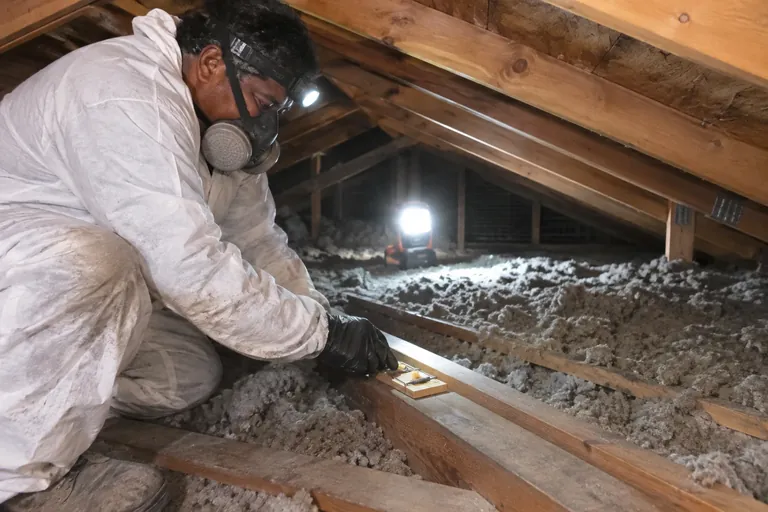
We trap the rats and mice living in your home, remove nests and droppings, then seal the way in.
Learn more →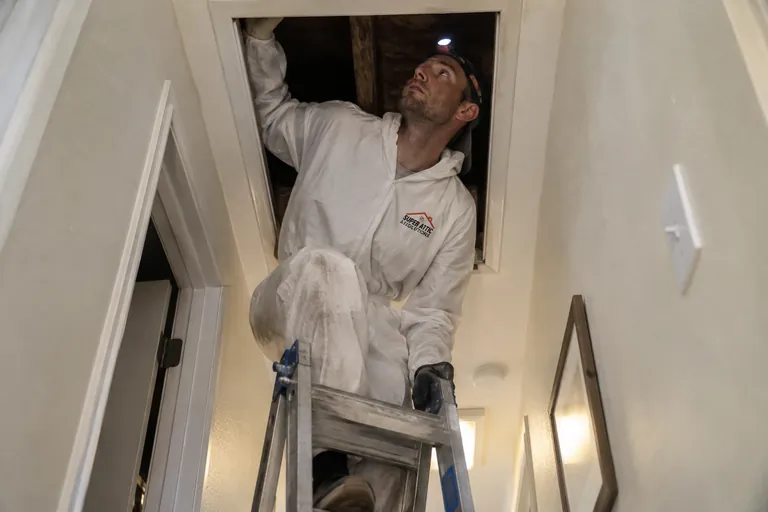
Rat removal built for the two spaces they live in: the attic above and the crawl space below.
Learn more →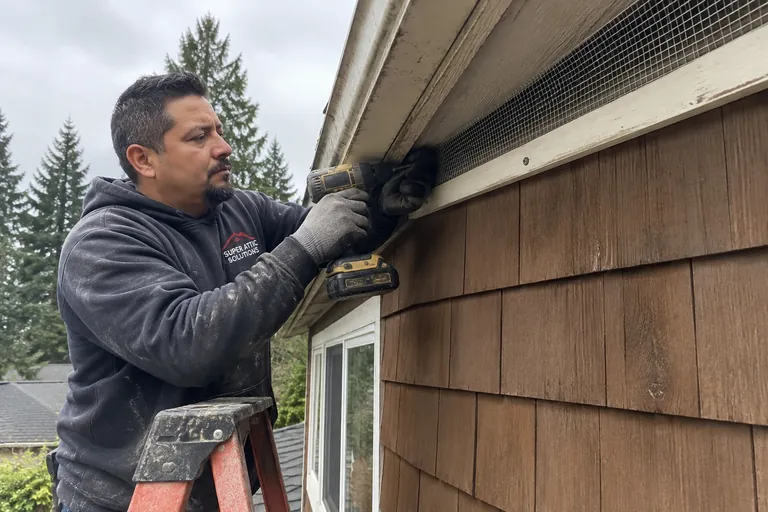
We find every gap rats and mice use, from roof vents to crawl space, and seal it with metal.
Learn more →Book a free inspection. We'll photograph your attic and crawl space and walk you through what we find, before you decide anything.